The Best Places for Whale and Dolphin Watching in Greece
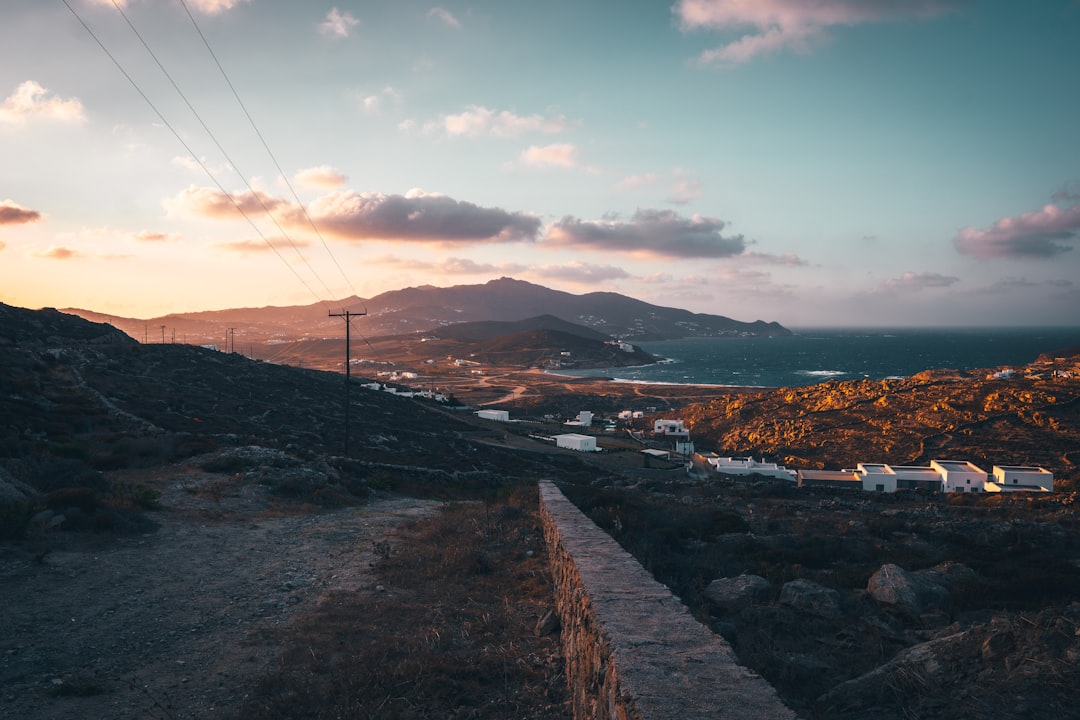
Beyond its ancient ruins and sun-drenched islands, Greece offers an incredible, often overlooked, natural spectacle: whale and dolphin watching. The deep, clear waters of the Greek seas are home to a surprising array of marine mammals, making it a dream destination for nature enthusiasts and wildlife photographers. Discover where to find these magnificent creatures and how to experience this unforgettable adventure responsibly.
Why Greece is a Top Spot for Marine Mammals
The Mediterranean Sea, particularly the Hellenic Trench off the coast of Greece, is a critical habitat for several species of whales and dolphins. This unique ecosystem, characterized by deep waters and rich biodiversity, provides ample food sources and refuge. Greece's commitment to marine conservation, including designated marine protected areas, further enhances its appeal as a haven for these incredible animals.
Prime Locations for Whale and Dolphin Watching in Greece
While sightings can occur throughout the Greek seas, some areas are particularly renowned for their consistent encounters with marine mammals.
Ionian Sea
The Ionian Sea, especially the waters around the islands of Zakynthos, Kefalonia, and Corfu, is a hotspot for dolphin activity and even home to some of the Mediterranean's largest whales.
- Species often sighted: Sperm whales, Cuvier's beaked whales, Risso's dolphins, common dolphins, and bottlenose dolphins.
- Best time to visit: Late spring through early autumn offers calmer seas and warmer weather, increasing the chances of sightings.
Aegean Sea
The Aegean Sea, with its myriad islands and deep basins, also provides excellent opportunities for observing marine life, particularly in its northern and western parts.
- Species often sighted: Striped dolphins, bottlenose dolphins, and common dolphins are frequently seen. Deeper waters might even reveal fin whales, especially during migratory periods.
- Best time to visit: Spring and early summer are ideal, as the sea is teeming with life and conditions are generally pleasant.
The Hellenic Trench (South of Crete and Peloponnese)
This deep-water canyon is a vital foraging ground for some of the Mediterranean's largest cetaceans, including the elusive sperm whale. While less accessible for casual tours, dedicated research expeditions often operate here, contributing to our understanding of these incredible animals. Tour operators from Crete and the Peloponnese sometimes offer specialized trips focusing on these deeper waters.
What Species Can You Expect to See?
Greece's diverse marine environment supports a fascinating array of cetacean species.
- Sperm Whales: The largest toothed predator, known for their distinctive calls and deep dives in search of squid.
- Fin Whales: The second-largest animal on Earth, these graceful giants are often spotted during their migratory journeys through the Mediterranean.
- Cuvier's Beaked Whales: Elusive deep divers, recognizable by their distinctive head shape and preference for deep offshore waters.
- Bottlenose Dolphins: Perhaps the most famous and easily recognizable, known for their playful nature and intelligence.
- Common Dolphins: Often seen in large, energetic pods, renowned for their acrobatic displays.
- Striped Dolphins: Fast-moving and typically found in offshore waters, characterized by their striking body patterns.
- Risso's Dolphins: Stocky dolphins with distinctive blunt heads and scarred bodies, often found in deeper waters.
Tips for a Responsible Whale and Dolphin Watching Experience
To ensure these encounters are beneficial for both you and the marine life, adhere to responsible tourism practices.
- Choose Responsible Operators: Select tour companies that adhere to strict codes of conduct, maintaining safe distances, avoiding pursuit, and limiting interaction time. Look for operators with strong environmental credentials.
- Maintain Distance: Reputable guides will ensure the boat keeps a safe, respectful distance from the animals, allowing them to behave naturally without disturbance.
- No Feeding or Touching: Never attempt to feed or touch marine mammals. This can alter their natural behavior and expose them to harm or disease.
- Quiet Observation: Keep noise levels down on the boat. Loud sounds can stress and disorient marine animals.
- Best Time of Year: Generally, spring to early autumn (April to October) offers the best conditions for calm seas and increased chances of sightings across most regions.
- What to Bring: Don't forget binoculars for closer views, a camera with a good zoom lens, sunscreen, a hat, and water.
Embarking on a whale and dolphin watching excursion in Greece is an extraordinary way to connect with the wild heart of the Mediterranean. It's an experience that promises wonder, education, and a deeper appreciation for the magnificent marine life thriving in these azure waters.