Sustainable Germany Travel Guide: Plan Your Eco-Friendly Itinerary
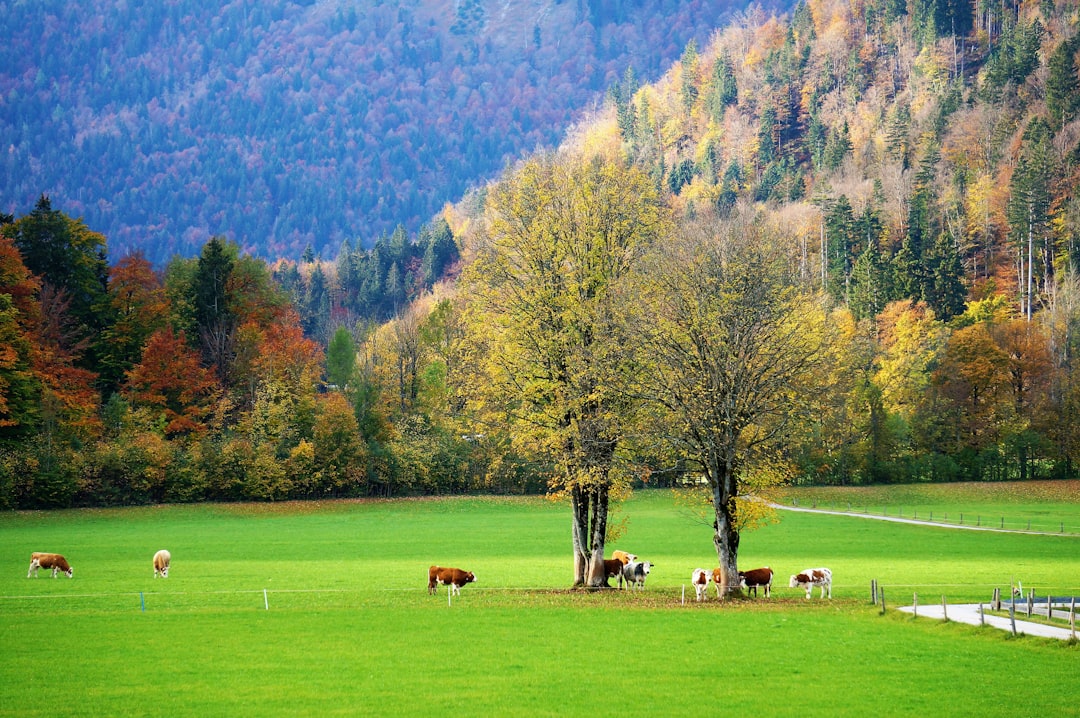
Germany, a land of enchanting castles, vibrant cities, and breathtaking natural landscapes, is increasingly becoming a pioneer in sustainable tourism. If you dream of exploring its rich history and stunning scenery without leaving a heavy footprint, planning a sustainable itinerary for Germany is both achievable and incredibly rewarding. This guide will show you how to craft a truly eco-friendly German getaway.
Why Choose Sustainable Travel in Germany?
Germany offers an unparalleled experience for the eco-conscious traveler. With its advanced public transport, commitment to renewable energy, and growing number of green accommodations and initiatives, it’s the ideal destination to embrace responsible tourism. By making conscious choices, you can support local communities, preserve natural beauty, and enjoy a deeper, more authentic journey.
Embrace Eco-Friendly Transportation
One of the biggest impacts on your travel footprint comes from how you get around. Germany makes green travel effortless with its world-class infrastructure.
Germany's Rail Network: Your Green Backbone
- Deutsche Bahn (DB): Germany's national railway system is extensive, efficient, and a fantastic choice for sustainable travel. Their ICE trains are high-speed and connect major cities quickly, while regional trains offer access to smaller towns and scenic routes.
- BahnCard: Consider purchasing a BahnCard for discounts if you plan extensive rail travel.
- Night Trains: For longer distances, overnight trains can save on accommodation and travel time.
Local Public Transport
- Buses, Trams, U-Bahn & S-Bahn: German cities boast excellent networks of local public transport. Utilize these for getting around urban areas, reducing the need for taxis or rental cars.
- Integrated Tickets: Many cities offer day passes or weekly tickets that cover all forms of local transport, often providing good value.
Cycling & Walking
- Cycle Paths: Germany is incredibly bike-friendly, with extensive cycle paths in both urban and rural areas. Consider renting a bike for exploring cities or embarking on multi-day bike tours along rivers like the Elbe or Danube.
- Walkability: Many German towns and city centers are highly walkable, allowing you to discover hidden gems on foot and enjoy the local atmosphere at a slower pace.
Sustainable Accommodation Choices
Your choice of where to stay significantly impacts the local environment and economy. Opt for places that prioritize sustainability.
Certified Eco-Hotels & Guesthouses
- Look for Certifications: Seek out hotels or guesthouses with recognized eco-certifications like Green Globe, Bio Hotels, EU Ecolabel, or Travelife. These establishments are committed to reducing energy consumption, managing waste, and sourcing locally.
- Family-Run Guesthouses: Often, smaller, locally owned guesthouses and B&Bs have a lower environmental impact and offer a more authentic experience while supporting local livelihoods.
Energy & Water Conservation
- Be Mindful: Regardless of where you stay, practice energy and water conservation. Turn off lights and air conditioning when leaving your room, and reuse towels to minimize laundry.
Responsible Activities & Experiences
Engage with Germany's culture and nature in a way that respects its integrity.
Embrace Nature Responsibly
- National Parks & Biosphere Reserves: Explore Germany's stunning National Parks (e.g., Bavarian Forest, Saxon Switzerland) and Biosphere Reserves. Stick to marked trails, avoid disturbing wildlife, and leave no trace.
- Outdoor Activities: Enjoy hiking, kayaking, or climbing, choosing tour operators who emphasize sustainable practices and small group sizes.
Cultural Immersion & Local Support
- Visit Local Markets: Immerse yourself in local culture by visiting farmers' markets and craft fairs.
- Support Local Artisans: Purchase ethical souvenirs directly from local artists and craftspeople rather than mass-produced items.
- Engage with History: Visit museums, historical sites, and castles, respecting the local rules and contributing to their preservation through your entry fees.
Mindful Eating & Shopping
Food and shopping are integral parts of travel, and they offer excellent opportunities to be sustainable.
Savor Local & Seasonal Cuisine
- Farmers' Markets (Wochenmärkte): Shop at Wochenmärkte for fresh, seasonal produce and regional specialties.
- Farm-to-Table Restaurants: Seek out restaurants that emphasize local and organic ingredients. Look for "Bio" labels on menus.
- Reduce Food Waste: Order consciously and consider portion sizes to minimize food waste.
Ethical Souvenirs & Shopping
- Handmade Goods: Prioritize buying handmade souvenirs made by local artisans. These often have a lower environmental impact and directly support the community.
- Avoid Overconsumption: Think before you buy. Do you truly need this item, or is the experience itself the best souvenir?
Pack Smart for Green Travel
What you bring (or don't bring) can also contribute to a sustainable trip.
- Lightweight & Versatile: Pack light to reduce your carbon footprint, especially if flying. Choose versatile clothing that can be mixed and matched.
- Reusable Essentials: Bring your own reusable water bottle (Germany has excellent tap water), coffee cup, and shopping bag to minimize plastic waste.
- Eco-Friendly Toiletries: Opt for solid toiletries or products with minimal packaging and natural ingredients to reduce chemical impact.
By integrating these practices into your planning, you'll not only enjoy an incredible trip to Germany but also contribute positively to its future. Your sustainable German adventure awaits!