Qatar's Maritime Gateways: A Comprehensive Guide to Its Famous Ports & Harbors
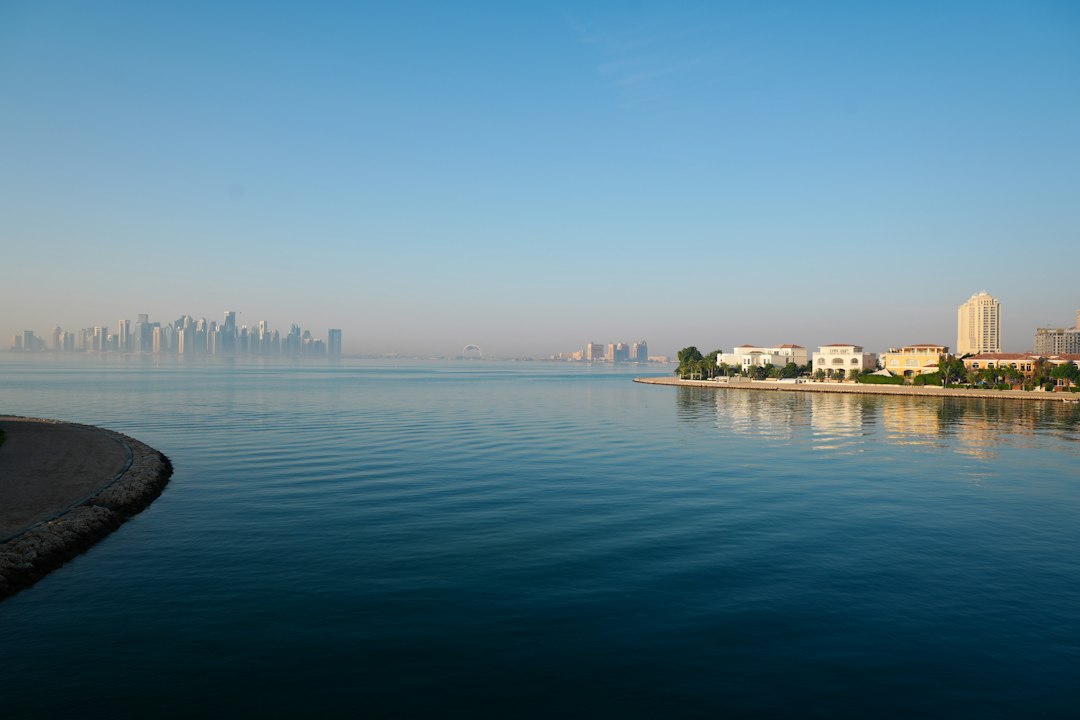
Qatar, a nation rapidly rising as a global economic player, owes much of its success and strategic importance to its formidable ports and harbors. These vital maritime gateways are not merely points of entry and exit; they are the beating heart of the nation's economic growth, facilitating global trade, supporting vital industries, and connecting Qatar to the world. Understanding these famous hubs is key to appreciating Qatar's strategic vision and its role in international commerce.
The Strategic Importance of Qatar's Ports
Qatar's maritime infrastructure is a cornerstone of its ambitious Qatar National Vision 2030, aimed at diversifying its economy and establishing itself as a leading logistics and trade hub in the Middle East. These ports ensure the smooth flow of goods, energy, and people, underpinning the nation's prosperity and self-sufficiency.
Driving Economic Growth and Global Trade
The continuous development and expansion of Qatar's ports are pivotal for its non-hydrocarbon sector growth. They enable efficient import of consumer goods, raw materials for industries, and export of locally manufactured products, thereby boosting both domestic and international trade volumes. Furthermore, they enhance Qatar's position within regional and global supply chains, attracting foreign investment and fostering a dynamic business environment.
Spotlight on Qatar's Premier Ports
Qatar boasts several world-class ports, each with unique functions and immense significance to the nation's economy and global standing.
Hamad Port: Qatar's Mega-Port and Trade Hub
Located in Umm Al Houl, Hamad Port stands as the largest and most technologically advanced deep-water port in Qatar and one of the largest in the Middle East. Operational since 2016, it has become the primary gateway for Qatar's international trade.
-
Key Features:
- Massive container terminal with an annual capacity of 7.5 million TEUs.
- Dedicated terminals for general cargo, grain, vehicles, and livestock.
- Advanced facilities for efficient cargo handling and logistics.
- Seamless connectivity to an extensive road and rail network.
- Significance: Hamad Port has significantly bolstered Qatar's food security, reduced its reliance on regional transit, and strengthened direct shipping lines to over 100 destinations worldwide. It is a critical component of Qatar's strategy to become a regional trans-shipment hub.
Doha Port: A Historical Hub and Cruise Ship Destination
Situated in the heart of the capital, Doha Port holds a rich history as Qatar's former main commercial port. While its commercial cargo operations have largely shifted to Hamad Port, Doha Port has been magnificently redeveloped into a premier cruise ship destination.
-
Key Features:
- State-of-the-art cruise terminal capable of accommodating multiple mega-ships simultaneously.
- Proximity to Doha's main tourist attractions, including Souq Waqif, the Museum of Islamic Art, and the National Museum of Qatar.
- Enhanced facilities for passenger services and immigration.
- Significance: This transformation has been instrumental in boosting Qatar's tourism sector, attracting thousands of international cruise visitors annually and showcasing Doha as a vibrant cultural and leisure destination.
Ras Laffan Industrial City Port: The Energy Export Powerhouse
Located north of Doha, Ras Laffan Industrial City Port is recognized as the world's largest artificial port and is an absolute giant in the energy sector. It is exclusively dedicated to the export of Qatar's vast hydrocarbon resources.
-
Key Features:
- Specialized terminals for loading Liquefied Natural Gas (LNG), natural gas liquids (NGL), crude oil, condensates, and sulfur.
- Deep-water berths accommodating the largest LNG carriers.
- Integrated with the massive industrial complex of Ras Laffan, which houses gas processing plants and petrochemical facilities.
- Significance: This port is utterly crucial to Qatar's global standing as the world's leading exporter of LNG and a major player in the global energy market. It underpins the nation's economic stability and wealth.
Mesaieed Port (UmM Sa'id Port): Industrial and Petrochemical Lifeline
South of Doha lies Mesaieed Port, another vital industrial port that has been central to Qatar's development since the mid-20th century. It serves the industrial city of Mesaieed, which is home to key industries.
-
Key Features:
- Specialized terminals for crude oil exports and refined petrochemicals, fertilizers, and steel products.
- General cargo facilities supporting the industries within Mesaieed Industrial City.
- Managed by QatarEnergy, facilitating their extensive operations.
- Significance: Mesaieed Port is indispensable for Qatar's downstream industries, enabling the export of value-added products derived from the nation's natural gas, contributing significantly to industrial diversification.
The Future of Qatar's Maritime Sector
Qatar's commitment to enhancing its maritime gateways remains unwavering. Future developments will likely focus on integrating advanced technologies, fostering sustainability in port operations, and expanding capacity to meet growing global trade demands. The vision is to transform these ports into even more efficient, smarter, and greener hubs, solidifying Qatar's position as a vital link in the global supply chain for decades to come.