Navigating the Caribbean's Hidden Gems: A Guide to Its Most Iconic Waterways and Canals
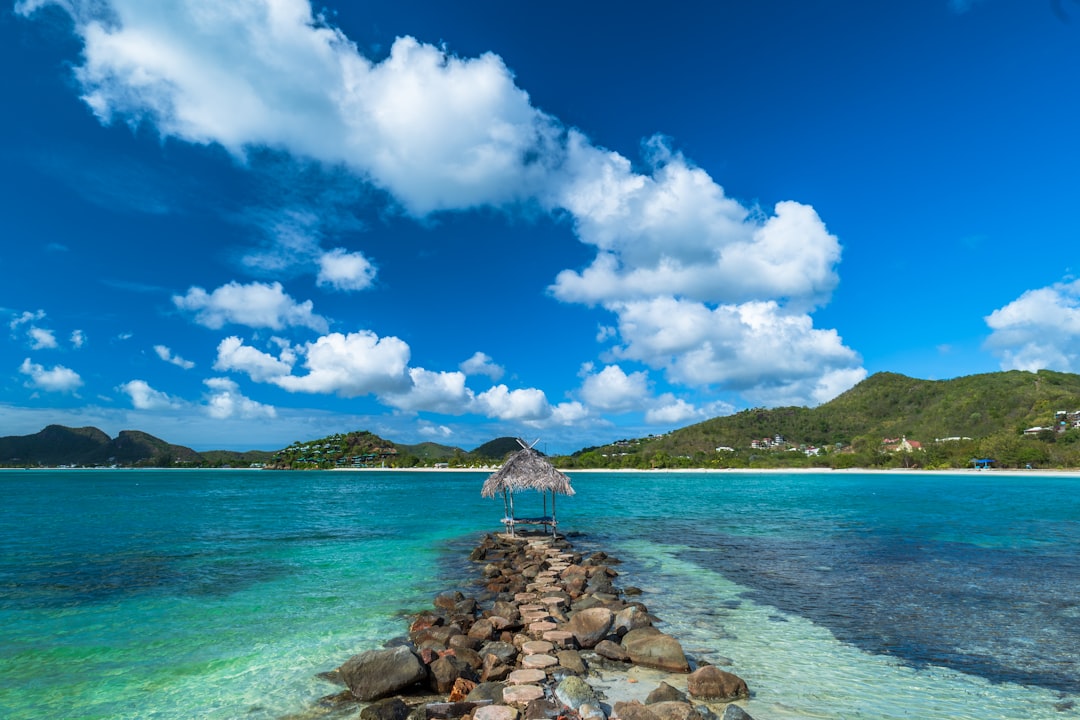
The Caribbean evokes images of pristine beaches, swaying palm trees, and turquoise waters. While often associated with serene coastlines, this vibrant region is also home to remarkable waterways and channels that are as crucial to its history and economy as they are fascinating to explore. Beyond the sandy shores, lie engineering marvels and natural arteries that have shaped global trade and local life.
Join us on a journey to discover the most famous canals and significant navigable channels that make the Caribbean truly unique, offering a deeper insight into its rich maritime heritage and boating adventures.
The Engineering Marvel: Panama Canal
Undoubtedly the most famous waterway connected to the Caribbean, the Panama Canal stands as an unparalleled testament to human ingenuity. While geographically located in Panama (Central America), its role in linking the Atlantic and Pacific Oceans via the Caribbean Sea makes it an indispensable part of any discussion about the region's prominent marine infrastructure.
A Gateway to Global Trade
Conceived as early as the 16th century, the dream of cutting a path through the Isthmus of Panama became a reality in 1914. After a monumental, challenging, and costly construction effort, primarily by the United States, the canal revolutionized global shipping and international trade. It significantly reduced travel time for ships, eliminating the perilous journey around Cape Horn.
Today, the Panama Canal Zone remains a vital artery, facilitating the passage of thousands of vessels annually, from massive container ships to luxury yachts. It's a living museum of marine engineering, showcasing locks, lakes, and channels working in harmony.
Experiencing the Canal
For visitors, the Panama Canal offers an awe-inspiring experience:
- Miraflores Locks Visitor Center: This is the most popular spot to witness the colossal ships navigate the locks, complete with observation decks, a museum, and a short film detailing the canal's history and operation.
- Partial or Full Transits: Several tour operators offer boat trips that allow you to experience a portion of the canal, passing through the locks just like the larger vessels.
- Gatun Lake: Formed as part of the canal, this vast artificial lake is also a significant ecological area, home to diverse wildlife.
Key Terms: Panama Canal, global trade, shipping routes, engineering feat, Miraflores Locks, Gatun Lake, maritime history.
Willemstad's Iconic Entrance: St. Anna Bay, Curaçao
Moving into the heart of the Lesser Antilles, Curaçao offers a distinctive urban waterway experience with its St. Anna Bay. While not a "canal" in the traditional sense, this deep, natural channel slices through the vibrant capital city of Willemstad, creating a navigable entrance for ships and a stunning focal point for its UNESCO World Heritage listed architecture.
A Deep-Water Harbor Like No Other
St. Anna Bay serves as the gateway to Willemstad's expansive natural harbor, the Schottegat, one of the largest and deepest natural harbors in the world. Its shores are lined with the iconic pastel-colored Dutch colonial buildings of the Punda and Otrobanda districts, making it one of the most picturesque harbors in the Caribbean. The bay is a constant hub of activity, with tankers, cruise ships, and local boats traversing its waters.
The Swinging Queen Emma Bridge
The most famous feature of St. Anna Bay is undoubtedly the Queen Emma Bridge, often called the "Swinging Old Lady." This unique pontoon bridge connects Punda and Otrobanda, serving as a pedestrian-only walkway. When ships need to enter or exit the bay, the entire bridge majestically swings open, creating a dramatic and memorable spectacle. This dynamic interplay between the city, the sea, and a historic bridge makes St. Anna Bay a truly famous and vital Caribbean waterway.
Key Terms: Willemstad, Curaçao, St. Anna Bay, Queen Emma Bridge, Dutch colonial architecture, UNESCO World Heritage, pontoon bridge.
The Yachting Hub: Simpson Bay Lagoon and Channels, St. Maarten
Divided between French St. Martin and Dutch Sint Maarten, the Simpson Bay Lagoon is a vast inland body of water connected to the Caribbean Sea by crucial navigable channels. It's not a single canal, but rather a system of interconnected waterways that form one of the region's most important yachting centers.
A Boater's Paradise
The Simpson Bay Lagoon is renowned as a major hub for superyachts, sailing vessels, and marine services. Its sheltered waters provide an ideal mooring spot, while its surrounding shores are dotted with world-class marinas, boatyards, and yachting businesses. The lagoon's strategic location and excellent facilities attract a global fleet of luxury vessels, making it a vibrant and dynamic marine environment.
Navigating the Channels
Access to the Simpson Bay Lagoon from the open sea is via two main navigable channels, each equipped with a drawbridge:
- Simpson Bay Bridge: On the Dutch Sint Maarten side, this bridge opens multiple times a day to allow yacht traffic to pass.
- Sandy Ground Bridge (Causeway Bridge): On the French St. Martin side, this bridge also facilitates access to the lagoon.
Watching these bridges open and close, witnessing the parade of impressive yachts, and experiencing the lively marine atmosphere is a unique Caribbean boating experience. The channels themselves are carefully dredged and maintained, acting as vital arteries for the island's bustling marine economy.
Key Terms: Simpson Bay Lagoon, St. Maarten, Sint Maarten, yachting hub, superyachts, marine services, drawbridges, Caribbean boating.
Why Explore These Caribbean Waterways?
Venturing beyond the conventional beach holiday to discover these iconic Caribbean waterways offers a multifaceted experience:
- Historical Significance: Understand the role of these waterways in global trade, colonial history, and local development.
- Engineering Wonders: Marvel at the ambition and skill required to create or utilize these significant channels.
- Unique Perspectives: Experience the islands from a different vantage point, observing local life and natural beauty from the water.
- Boating Adventures: Whether you're a seasoned sailor or new to boating, these waterways offer unparalleled opportunities for exploration and enjoyment.
- Cultural Immersion: Witness the vibrant interplay between land and sea, and observe the livelihoods tied to these essential arteries.
The Caribbean is a region of endless discovery. By exploring its most iconic waterways and canals, you gain a deeper appreciation for its intricate geography, rich history, and the enduring spirit of human innovation. Plan your journey to these remarkable Caribbean marine destinations and uncover the secrets that lie just beyond the shore.