Navigating Public Toilets & Hygiene in Zambia: A Comprehensive Guide
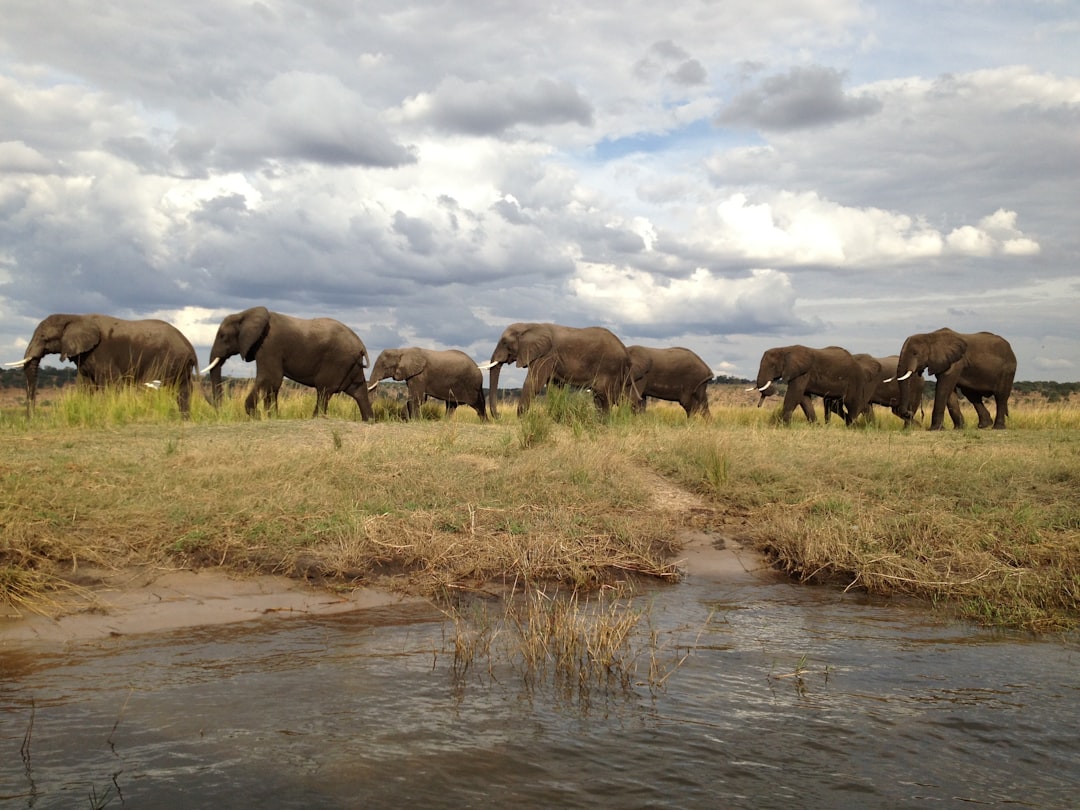
Zambia, a land of breathtaking landscapes and vibrant culture, offers unforgettable experiences. For travelers and residents alike, understanding and practicing good hygiene, especially concerning public toilets, is crucial for a healthy and enjoyable stay. This guide provides essential insights into managing your sanitation needs across the country.
Why Public Hygiene Matters in Zambia
Maintaining high standards of personal hygiene and utilizing public facilities responsibly is not just about individual well-being; it impacts public health and the environment. Poor sanitation can lead to the spread of diseases, affecting both local communities and visitors. Being prepared and informed ensures a safer and more pleasant journey.
Understanding Public Toilet Facilities in Zambia
The type and quality of public toilet facilities in Zambia can vary significantly depending on your location, from bustling urban centers to remote rural areas.
Types of Public Toilets You'll Encounter
- Flush Toilets: Primarily found in modern establishments like shopping malls, larger hotels, international restaurants, and some upscale guesthouses in major cities such as Lusaka and Livingstone. These generally offer a more familiar experience.
- Pit Latrines: Very common in rural areas, local markets, bus stations, and some smaller public spaces. These are non-flush toilets, essentially a deep hole in the ground covered by a squatting plate or seat. They require careful use and awareness of your surroundings.
- Squat Toilets: While less prevalent than in some other parts of the world, you might occasionally encounter these, particularly in older buildings or more basic public facilities.
- Eco-Friendly Toilets: In national parks and eco-lodges, you might find innovative compost toilets or dry toilets designed to minimize water usage and environmental impact.
Where to Find Reliable Facilities
Knowing where to look for clean and functional facilities can save you considerable hassle:
- Shopping Malls & Supermarkets: Your best bet for clean, Western-style flush toilets in urban areas.
- Hotels & Guesthouses: Even if you’re not a guest, many establishments will allow non-patrons to use their restrooms, especially if you ask politely or make a small purchase.
- Restaurants & Cafes: Mid-to-high-range eateries typically offer decent facilities for their customers.
- National Parks & Tourist Attractions: Facilities here are often purpose-built for tourists and are generally well-maintained, though they might be eco-friendly or basic.
- Bus Stations & Markets: Facilities exist, but their cleanliness can be highly variable. Exercise caution and come prepared.
Essential Hygiene Practices for Public Toilets in Zambia
Being prepared is key to managing your public toilet hygiene effectively in Zambia.
Pre-Visit Preparations: Your Essential Kit
Always carry a small personal hygiene kit, especially when venturing out of your accommodation:
- Toilet Paper: This is perhaps the most crucial item. Do not assume toilet paper will be provided, especially in public or rural facilities.
- Hand Sanitizer: A waterless hand sanitizer (at least 60% alcohol) is indispensable for times when soap and water are unavailable.
- Wet Wipes: Useful for personal cleaning and wiping down surfaces if needed.
- Small Plastic Bag: For discreet disposal of used sanitary products or toilet paper in places without proper bins.
- Soap: A small bar of soap or a travel-sized bottle of liquid soap if you prefer to use water.
During Your Visit: Best Practices
When using any public restroom in Zambia, adopt these practices for optimal hygiene:
- Assess the Situation: Before entering or using a facility, quickly assess its cleanliness. If it looks unsanitary, it might be better to find an alternative.
- Avoid Direct Contact: If possible, avoid direct skin contact with toilet seats and handles. Use toilet paper or a wet wipe as a barrier.
-
Proper Disposal:
- For flush toilets: Only flush what is designed to be flushed (typically just human waste and toilet paper). Many older systems cannot handle anything else.
- For pit latrines and basic facilities: Dispose of toilet paper in a designated bin if available, or carry a small disposal bag to take it with you. Do not throw items into the pit unless specifically instructed, as it can fill up quickly.
- Wash Your Hands Thoroughly: This cannot be stressed enough. Use soap and water for at least 20 seconds. If not available, use your hand sanitizer.
- Be Mindful of Water Availability: In some areas, water for flushing or handwashing might be limited or unavailable. Be prepared with your hand sanitizer and wipes.
Addressing Water Scarcity
Many public facilities, particularly outside major urban centers, may experience intermittent water supply. This means:
- Flushing mechanisms might not work.
- Handwashing stations might lack running water.
Your hand sanitizer and wet wipes become vital tools in these scenarios, ensuring you can still maintain personal cleanliness.
Promoting Better Sanitation: Community Efforts and Traveler Responsibility
Zambia, like many developing nations, is continually working to improve its sanitation infrastructure. Local initiatives and NGOs are often involved in building more accessible and hygienic facilities, particularly in schools and rural communities. As a traveler, you can contribute by:
- Practicing Responsible Tourism: Always dispose of waste properly and use facilities as intended.
- Supporting Businesses with Good Standards: Patronizing establishments that invest in clean facilities encourages others to follow suit.
- Educating Yourself: Understanding local customs and challenges helps you adapt and be a more responsible visitor.
Key Takeaways for a Hygienic Visit to Zambia
Navigating public toilets and maintaining hygiene in Zambia is straightforward with proper preparation and awareness.
- Always Carry Essentials: Toilet paper, hand sanitizer, and wet wipes are your best friends.
- Be Adaptable: Facility standards vary widely; flexibility and preparedness are key.
- Prioritize Handwashing: Thorough hand hygiene is the single most effective way to prevent illness.
- Respect Local Customs: Be mindful and respectful of your surroundings and local practices.
By following this guide, you can ensure your visit to Zambia remains healthy, comfortable, and focused on experiencing its incredible beauty and culture.