Navigating Money in Montenegro: Your Essential Guide to Currency Exchange & Payments
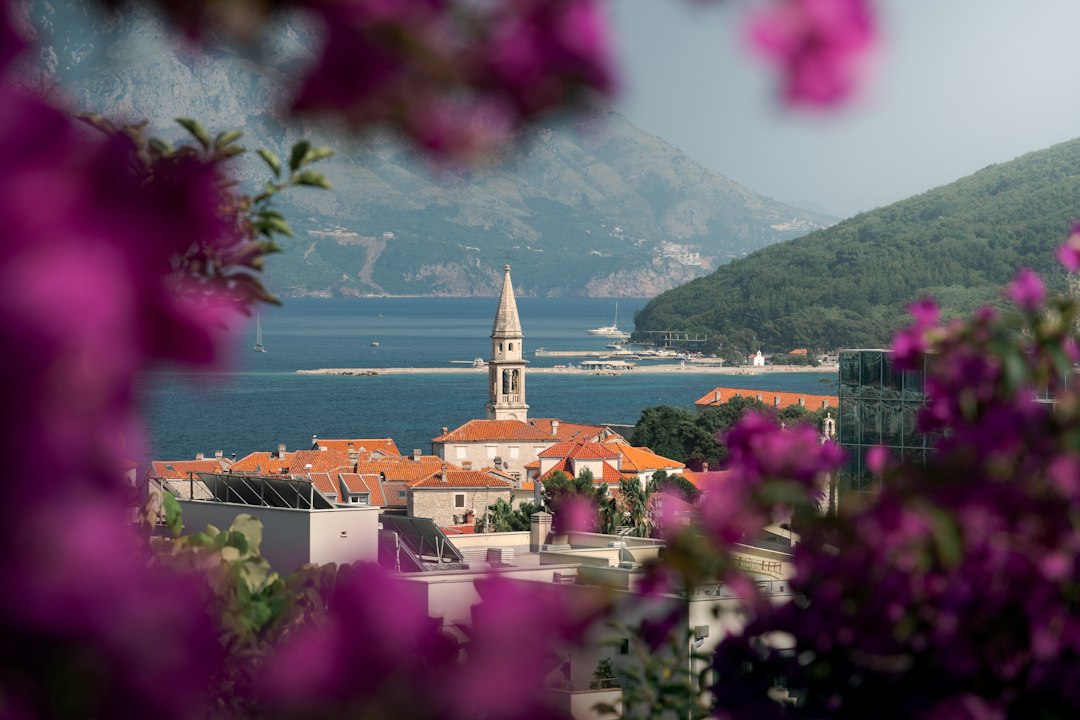
Planning a trip to Montenegro, the stunning Gem of the Balkans? One crucial aspect often overlooked until the last minute is managing your finances. Understanding Montenegro's currency, payment methods, and how to handle currency exchange effectively can save you stress and money. This comprehensive guide will equip you with all the knowledge you need to spend smartly and confidently during your Montenegrin adventure.
Montenegro's Official Currency: The Euro (€)
Unlike many countries outside the Eurozone, Montenegro unilaterally adopted the Euro (€) as its official currency in 2002. This means you won't need to convert your Euros if you're traveling from a Eurozone country.
No Local Currency?
That's right! Montenegro does not have its own national currency. They use the Euro, even though they are not (yet) a member of the European Union. This simplifies financial planning for many travelers but still requires understanding local payment habits.
Cash vs. Card: What to Use and When
While credit and debit cards are widely accepted, a good mix of both cash and card is often the best strategy for travel in Montenegro.
When Cash is King
Cash remains dominant for many transactions, especially outside major tourist hubs. You'll need cash for:
- Small purchases (souvenirs, snacks, local markets)
- Tipping in restaurants and for services
- Paying for local buses or taxis (though some taxis might accept cards)
- Visiting smaller, family-run guesthouses or restaurants
- Paying for entrance fees at some national parks or attractions
The Convenience of Cards
Credit and debit cards (Visa and Mastercard are most common; American Express less so) are readily accepted at:
- Hotels and larger accommodations
- Supermarkets and shopping centers
- Major restaurants and cafes
- Rental car agencies
- Larger tourist attractions
Always inform your bank of your travel plans to avoid card freezing due to suspicious activity.
ATMs in Montenegro: Accessing Your Funds
ATMs (Bankomats) are widely available in cities and tourist areas across Montenegro, allowing you to withdraw Euros directly from your foreign bank account.
Finding ATMs
You'll find ATMs from various banks such as Hipotekarna Banka, Lovćen Banka, Crnogorska Komercijalna Banka (CKB), and Erste Banka. Look for them in town centers, near bank branches, and in larger supermarkets.
Potential Fees
Be aware of potential fees:
- Your bank's foreign transaction fees: Check with your bank before you travel.
- Local ATM fees: Some Montenegrin banks may charge a direct fee for withdrawals. This should be displayed on the screen before you finalize the transaction.
- DCC (Dynamic Currency Conversion): When an ATM offers to charge you in your home currency instead of Euros, always decline this option. Choose to be charged in Euros. DCC often comes with unfavorable exchange rates.
Safety Tips
- Use ATMs in well-lit, secure locations, preferably inside or attached to a bank.
- Be discreet when withdrawing cash.
- Guard your PIN.
Currency Exchange: Is It Necessary?
Given that Montenegro uses the Euro, the concept of currency exchange might be different depending on your origin country.
Why You Might Not Need It
If you're traveling from a country that also uses the Euro (e.g., Germany, France, Italy), you won't need to exchange currency at all. You can bring Euros with you.
If you're coming from a country with a different currency (e.g., USD, GBP, CAD), your primary method of "exchange" will likely be:
- Withdrawing Euros directly from an ATM in Montenegro (best rates, minimal hassle).
- Exchanging cash before you leave your home country (compare rates, often less favorable than ATMs).
Where to Exchange (If You Must)
If you arrive with a non-Euro currency and prefer to exchange cash rather than use an ATM, you can do so at:
- Banks: Generally offer the best rates compared to other options.
- Exchange offices (Mjenjačnica): Found in larger towns and tourist areas, but rates can vary significantly, and commissions might be high. Always check the rates and any fees before committing.
- Hotels: Convenient but typically offer the worst exchange rates.
Avoid exchanging money at airports if possible, as rates are usually very poor.
Tips for Smart Spending in Montenegro
To make your money go further and avoid any financial headaches, consider these practical tips:
- Notify Your Bank: Inform your bank and credit card companies about your travel dates and destinations to prevent fraud alerts and card suspensions.
- Carry Small Bills: While you'll get larger denominations from ATMs, having a supply of €5, €10, and €20 notes is incredibly useful for small purchases and tips.
- Budget Wisely: Montenegro can be surprisingly affordable outside of peak season and exclusive coastal resorts. Keep track of your spending to stay within budget.
- Emergency Fund: Always have a small emergency fund accessible, ideally a separate debit/credit card or some cash hidden safely.
- Use Contactless Payments: Many modern card terminals in Montenegro support contactless payments, making transactions quick and easy.
By understanding the local currency landscape and following these tips, you'll be well-prepared to manage your money in Montenegro and focus on enjoying its breathtaking beauty. Safe travels!