Master Vatican City Photography: Top 10 Tips for Capturing the Holy See's Beauty
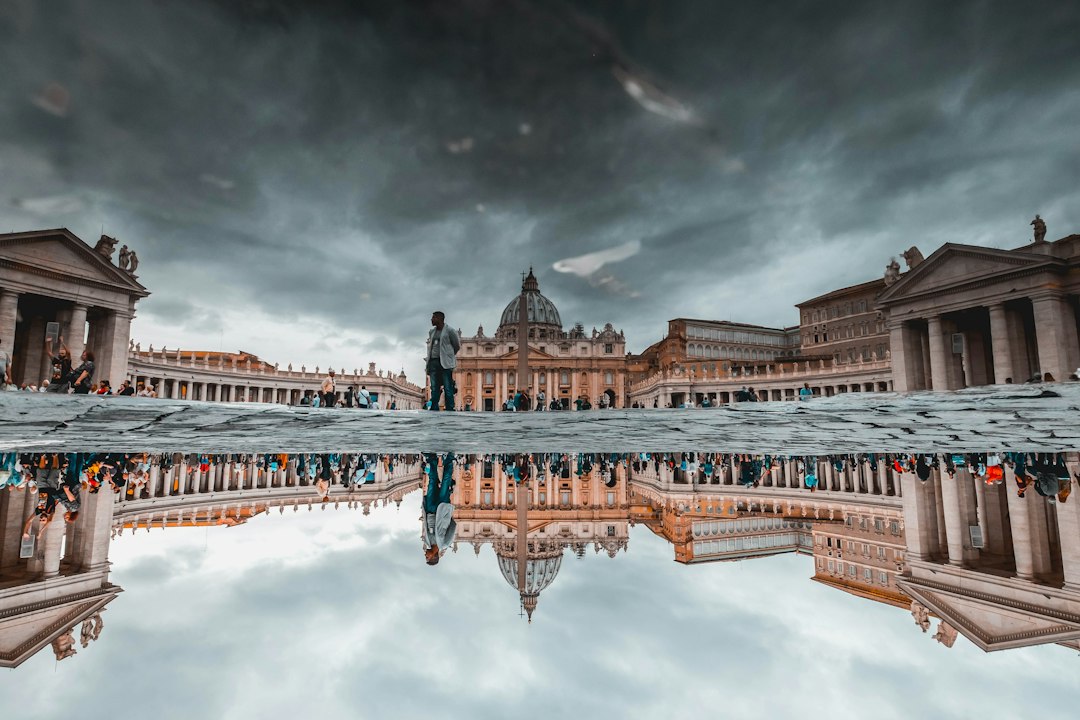
Vatican City State, also known as the Holy See, is a spiritual and artistic marvel, offering unparalleled photographic opportunities. From the grandeur of St. Peter's Basilica to the masterpieces within the Vatican Museums, every corner holds a story. However, capturing its essence respectfully and effectively requires more than just pointing and shooting. This guide provides top photography tips to help you immortalize the breathtaking beauty of this sacred destination.
Essential Photography Principles for the Vatican
Before diving into specific shots, understanding the unique environment of Vatican City is crucial. It's a place of worship, immense historical significance, and a magnet for millions of visitors. Patience, preparation, and respect are your best allies.
1. Respect Local Rules and Etiquette
One of the most important Vatican photography tips is to always adhere to regulations. Photography is strictly prohibited in certain areas, most notably the Sistine Chapel.
- No flash is allowed in most indoor attractions to protect delicate artworks.
- Be mindful of signs indicating no photography zones.
- Dress respectfully, as this is a religious site.
2. Master the Art of Timing
Timing can make or break your Vatican photos. To avoid the peak crowds and harsh midday sun, plan your visit strategically.
- Early morning (right at opening) or late afternoon (an hour or two before closing) are ideal for fewer people.
- These times also offer softer, more flattering light, often referred to as the golden hour, especially for outdoor shots of St. Peter's Square and the exterior of the Basilica.
3. Embrace Wide-Angle Perspectives
The architecture and scale within Vatican City are immense. A wide-angle lens (16-35mm or equivalent) is indispensable for capturing the grandiosity of:
- St. Peter's Square
- The vast interiors of St. Peter's Basilica
- Sweeping views of the Vatican Gardens
4. Focus on the Intricate Details
While wide shots impress, don't overlook the smaller, often overlooked, details that tell a deeper story.
- Use a telephoto lens (70-200mm) or zoom in with your smartphone to capture:
- Intricate carvings on statues
- Delicate mosaic patterns
- Architectural embellishments
- The expressive faces of saints and angels
5. Navigate the Crowds Strategically
Vatican City is always bustling. Rather than letting crowds deter you, learn to work around them.
- Shoot upwards to minimize people in your frame.
- Use a fast shutter speed to freeze motion, or a slower one for artistic blur.
- Find moments when groups pass, creating temporary gaps for cleaner shots.
- Consider including people to illustrate the sheer scale and human connection to the site, providing a sense of perspective.
6. Utilize Natural Light Wisely
Indoor photography presents challenges, especially with no flash rules. Maximize the available natural light.
- Look for areas near windows or skylights.
- Adjust your camera's ISO setting to a higher value (e.g., 800-1600) to compensate for lower light, being mindful of noise.
- Embrace the ambient light to create moody and atmospheric images.
7. Gear Up Smartly
Pack essential gear but avoid overpacking, as you'll be doing a lot of walking.
- A versatile zoom lens (e.g., 24-70mm) is a great all-rounder.
- An extra battery and plenty of storage cards are crucial.
- A lightweight monopod can offer stability where tripods are often prohibited or impractical.
- Consider a camera strap for comfort and security.
8. Capture the Human Element
Beyond the architecture and art, the visitors and pilgrims contribute to the vibrant atmosphere of the Vatican.
- Photograph people in reverence, awe, or engaging with the art.
- Seek out moments of quiet contemplation or communal prayer.
- Always be respectful and avoid intrusive close-ups without permission.
9. Experiment with Unique Angles
Challenge yourself to find compositions beyond the obvious.
- Look up at ceilings, down at floors, and through archways.
- Use leading lines from architecture to draw the viewer's eye.
- Find reflections in polished surfaces or puddles after rain for unusual perspectives.
10. Post-Processing for Perfection
Even the best photos can benefit from some post-processing.
- Adjust exposure and contrast to bring out details.
- Correct white balance for accurate colors, especially in varying indoor lighting.
- Crop to improve composition and remove distractions.
- Experiment with converting some images to black and white to emphasize texture and form, creating a timeless feel.
By following these Vatican City photography tips, you'll be well-equipped to capture stunning, memorable images of one of the world's most iconic and spiritual destinations. Happy shooting!