Madagascar's Exquisite Traditional Crafts: Your Ultimate Guide to Authentic Souvenirs
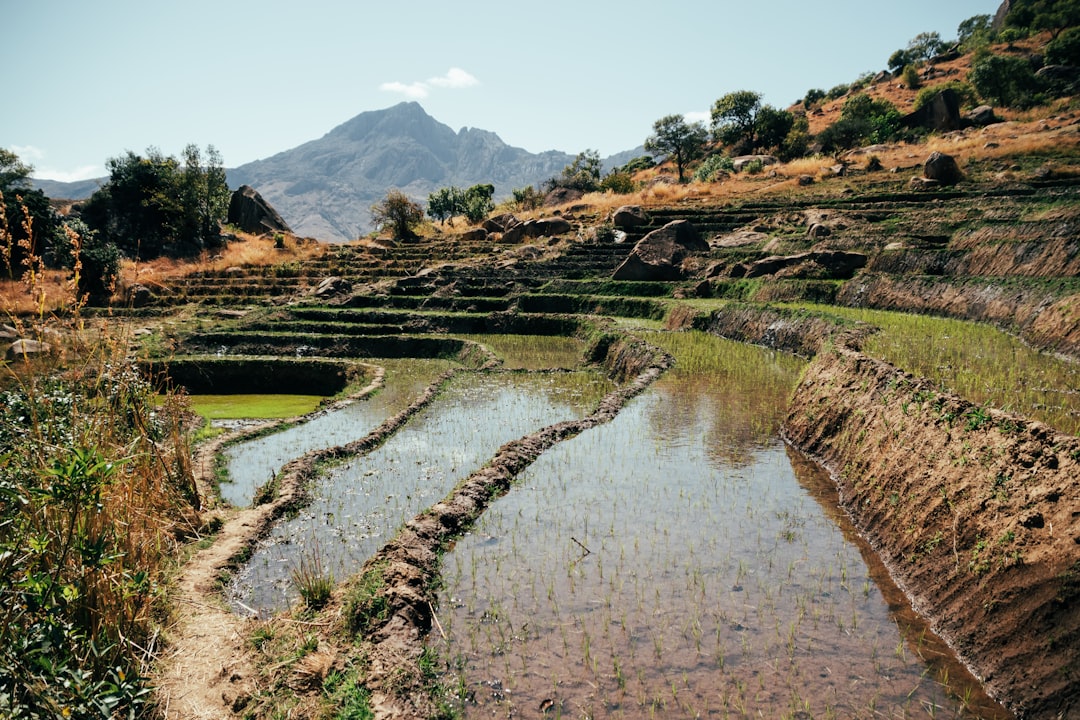
Madagascar, a land of unparalleled biodiversity and vibrant culture, is also a treasure trove of traditional crafts. Every piece tells a story, embodying the island's unique heritage, the ingenuity of its people, and the abundant natural resources. From intricate carvings to vibrant textiles, Malagasy crafts offer visitors a tangible piece of this extraordinary island to cherish. But where can you find truly authentic goods that support local artisans? This guide will navigate you through the best places to discover these cultural gems.
The Soul of Malagasy Craftsmanship
Malagasy craftsmanship is deeply rooted in tradition, often passed down through generations. Artisans utilize locally sourced materials, transforming them into objects of beauty and utility. These crafts are not just souvenirs; they are expressions of identity, belief, and daily life.
A Kaleidoscope of Malagasy Art Forms
The diversity of traditional crafts reflects the island's varied regions and ethnic groups. Key categories include:
- Raffia Weaving: Perhaps the most ubiquitous craft, raffia is woven into stunning bags, hats, mats, placemats, and even decorative items. The natural fibers, often dyed with vibrant local pigments, create durable and beautiful textiles.
- Wood Carvings: The island is famed for its wood art, particularly the intricate geometric patterns of the Zafimaniry people, recognized by UNESCO as a Masterpiece of the Oral and Intangible Heritage of Humanity. Other carvings include ancestral figures, animals, and decorative panels.
- Wild Silk (Landibe): Unique to Madagascar, landibe is harvested from indigenous silkworms. This wild silk has a coarser, more textured feel than cultivated silk and is transformed into beautiful shawls, scarves, and tapestries.
- Basketry: Using various natural fibers like reeds, grasses, and palm leaves, Malagasy artisans create a wide array of baskets, from functional market totes to decorative storage solutions.
- Antemoro Paper: Originating from the southeast, this handcrafted paper is made from the bark of the Avoha tree, often embedded with dried flowers and leaves, perfect for stationery, lampshades, and decorative panels.
- Gemstones: Madagascar is rich in semi-precious and precious stones, including sapphires, rubies, emeralds, amethysts, tourmalines, and labradorite. Artisans skillfully cut and polish these into jewelry or display pieces.
Your Ultimate Treasure Map: Where to Buy Authentic Malagasy Crafts
Finding authentic traditional crafts is part of the adventure in Madagascar. While street vendors are common, seeking out specific markets, workshops, and cooperatives ensures you're getting genuine articles and supporting the creators directly.
Bustling Markets & Street Bazaars
These vibrant hubs are excellent starting points for a wide range of products, offering a glimpse into local life.
- Digue Market (Antananarivo): Located near Ivato Airport, this is arguably the most famous craft market, offering a vast selection of wood carvings, raffia items, semi-precious stones, and souvenirs. Bargaining is expected here.
- Andravoahangy Market (Antananarivo): Known for its textiles, clothing, and everyday items, you can also find a good selection of raffia products and simpler crafts.
- Coastal Town Markets: In places like Morondava (famous for wood art), Ifaty (shells, basketry), and Nosy Be (local art and spices), you'll find regional specialties reflecting the local culture and available resources.
Direct from Artisans: Workshops & Cooperatives
For genuine craftsmanship and an ethical purchase, seeking out workshops and cooperatives is highly recommended.
- Zafimaniry Villages: For the unparalleled Zafimaniry wood carving, a visit to a village like Antoetra, nestled in the central highlands, offers a chance to see the artisans at work and purchase directly from them.
- Ambalavao: This town in the southern highlands is renowned for its Antemoro paper workshops, where you can witness the traditional paper-making process and buy directly.
- Highlands Weaving Cooperatives: Across the central highlands, numerous women's cooperatives specialize in raffia and wild silk weaving, ensuring fair wages and high-quality products. Your tour guide can often help locate these.
- Gemstone Cutting Workshops: In towns like Antsirabe or Ilakaka, you can often find small workshops where gemstones are cut and polished. Buying here can offer better prices and a guarantee of origin.
Curated Boutiques & Galleries
For a more curated selection, often with fixed prices and higher quality control, dedicated shops are an excellent option.
- Antananarivo Galleries: The capital boasts several upscale boutiques and galleries, particularly in areas like Isoraka or Analakely, offering refined wood art, silk textiles, and certified gemstone jewelry. These shops often provide documentation for export.
- Hotel Shops: Many mid-range to luxury hotels will have small gift shops carrying a selection of local crafts. While prices might be higher, the convenience and quality are generally reliable.
Navigating Your Purchase: Tips for Authentic & Ethical Shopping
To ensure your souvenir is both genuine and beneficial to the local community, keep these tips in mind:
- Authenticity First: Look for items made from natural, local materials. Don't hesitate to ask about the origin and the artisan who made the piece. Genuine items often have slight imperfections, a hallmark of handcrafted work.
- Bargain Respectfully: In markets, haggling is common, but do so with a smile and respect for the artisan's labor. Start at a reasonable offer, not an insulting one.
- Support Local Artisans: Prioritize buying directly from the makers or from cooperatives that ensure fair wages and sustainable practices. This directly empowers communities.
- Quality Over Quantity: A few well-crafted, meaningful pieces will be more cherished than many mass-produced souvenirs. Invest in items that truly speak to you.
- Check Customs Regulations: Be aware of export restrictions, especially for wood (ensure it's not protected species), shells, or anything derived from wildlife. Always ask for receipts.
- Shipping Options: For larger items like furniture or significant quantities of wood carvings, inquire about reliable international shipping services. Some galleries offer this.
Exploring Madagascar's traditional crafts is an enriching experience, connecting you directly with the heart and soul of this incredible island. By choosing to buy authentic goods from local artisans, you not only take home a beautiful souvenir but also contribute to the preservation of unique cultural heritage and the livelihoods of Malagasy communities.