Is Lesotho Expensive? A Detailed Budget Travel Guide
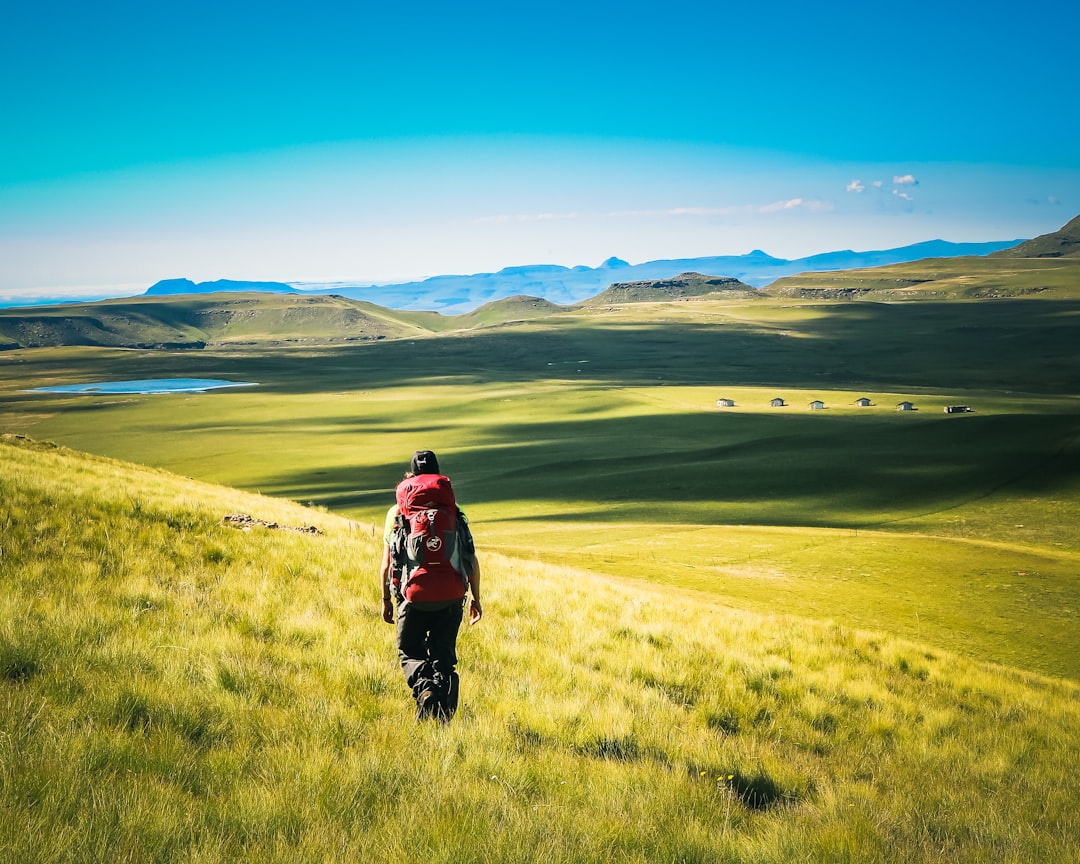
Nestled high in the Maloti Mountains, the "Kingdom in the Sky," Lesotho, offers breathtaking landscapes, unique Basotho culture, and a truly off-the-beaten-path African adventure. But as with any international trip, a crucial question arises: Is Lesotho expensive? The good news is that with careful planning, Lesotho travel can be surprisingly affordable, making it an excellent destination for budget travelers seeking authentic experiences. This comprehensive guide will break down typical costs and offer savvy tips to help you explore Lesotho without breaking the bank.
Understanding the Overall Cost of Travel in Lesotho
Lesotho's travel costs can vary significantly depending on your travel style. While generally cheaper than many Western European or North American destinations, and often comparable to or slightly less expensive than neighboring South Africa for everyday expenses, certain activities or accommodation types can quickly add up.
The main factors influencing your Lesotho trip cost include:
- Accommodation choices (guesthouses vs. luxury lodges)
- Transportation methods (public transport vs. rental car)
- Dining preferences (local eateries vs. tourist restaurants)
- Activities planned (free hiking vs. multi-day pony treks)
- Time of year (peak season can mean higher prices)
Accommodation Costs in Lesotho
Finding a place to stay is often one of the biggest expenses. Lesotho offers a range of options for every budget.
Budget-Friendly Accommodation
- Hostels & Guesthouses: Expect to pay M250 - M500 (approx. $15 - $30 USD) per night for a private room or slightly less for a dorm bed. These often include basic amenities and sometimes breakfast.
- Camping: Many nature reserves and private lodges offer camping sites for M100 - M200 (approx. $6 - $12 USD) per night. This is the cheapest option for adventurous travelers.
Mid-Range Lodging
- Comfortable B&Bs & Lodges: For M600 - M1200 (approx. $35 - $70 USD) per night, you can find comfortable rooms, often with en-suite bathrooms, breakfast included, and better facilities.
- Self-Catering Units: A great option for longer stays or groups, these can range from M800 - M1500 (approx. $45 - $90 USD), offering kitchen facilities to save on food costs.
Luxury Options
- High-End Resorts & Boutique Hotels: Found primarily in Maseru or popular tourist hubs, these can cost upwards of M1500 (approx. $90 USD) per night, offering premium services, swimming pools, and fine dining.
Tip for Saving: Book well in advance, especially during peak season (December-January, Easter). Consider staying just outside major towns for slightly lower prices.
Transportation Costs in Lesotho
Getting around Lesotho, a mountainous country, requires planning.
Getting To Lesotho
-
Flights: Most international travelers fly into Johannesburg (JNB) or Bloemfontein (BFN) in South Africa, then connect to Maseru (MSU) or take ground transport.
- Flights to Maseru (MSU): From Johannesburg, return flights can range from M2000 - M4000 (approx. $120 - $240 USD).
- Buses/Shuttles from South Africa: More budget-friendly options from Johannesburg or Bloemfontein exist, costing M300 - M600 (approx. $18 - $35 USD).
Getting Around Lesotho
- Public Transport (Minibus Taxis/Combies): This is the most affordable way to travel locally. Shared minibus taxis operate on fixed routes, though schedules can be flexible. A ride across town might cost M10 - M30 (approx. $0.60 - $1.80 USD), while longer inter-city journeys could be M50 - M150 (approx. $3 - $9 USD). They can be crowded but offer an authentic experience.
- Shared Taxis: Similar to minibuses but sometimes more direct and slightly more expensive.
- Car Rental: For flexibility and reaching remote areas, renting a 4x4 vehicle is highly recommended, especially outside Maseru. Costs typically start from M800 - M1500 (approx. $45 - $90 USD) per day, excluding fuel. Fuel prices are comparable to South Africa.
- Hitching: While common among locals, it's generally not recommended for tourists due to safety concerns.
Tip for Saving: Embrace public transport for local travel. If renting a car, consider traveling with a group to split costs.
Food and Drink Costs in Lesotho
Lesotho's food scene ranges from simple, hearty local fare to more international cuisine in urban areas.
Eating Out
- Local Eateries & Street Food: The most budget-friendly option. Look for stalls selling pap (maize meal) with morogo (wild greens), stew, or BBQ meat (shisanyama). A filling meal can cost M40 - M80 (approx. $2.50 - $5 USD).
- Mid-Range Restaurants: In towns, you'll find restaurants offering a mix of local and Western dishes. Expect to pay M100 - M250 (approx. $6 - $15 USD) for a main meal.
- Tourist/Hotel Restaurants: These will be the most expensive, with meals easily costing M250+ (approx. $15+ USD).
Groceries & Self-Catering
- Supermarkets (Shoprite, Pick n Pay) are available in larger towns. Self-catering is an excellent way to save money on food.
- Basic groceries for a few days can cost M200 - M400 (approx. $12 - $24 USD).
-
Drinks:
- Bottled water: M10 - M20 (approx. $0.60 - $1.20 USD)
- Soft drinks: M15 - M25 (approx. $0.90 - $1.50 USD)
- Local beer (e.g., Maluti): M20 - M35 (approx. $1.20 - $2 USD) in a bar/restaurant.
Tip for Saving: Eat where the locals eat! Stock up on snacks and drinks from supermarkets.
Activities and Sightseeing Costs in Lesotho
Lesotho is an outdoor adventurer's paradise, with many attractions offering great value.
Free or Low-Cost Activities
- Hiking: Countless trails through stunning mountain landscapes are free to explore. Consider hiring a local guide (M100-M300 for a few hours) for insights and safety.
- Exploring Local Villages: Experience Basotho culture firsthand; often free with respectful interaction.
- Scenic Drives: Driving the mountain passes (e.g., Sani Pass, though access requires a 4x4 from the South African side) offers incredible views.
- Local Markets: Immerse yourself in the vibrant atmosphere without necessarily buying anything.
Paid Activities
- Pony Trekking: A quintessential Lesotho experience. A half-day trek can cost M300 - M600 (approx. $18 - $35 USD), while multi-day treks with overnight village stays will be more expensive, ranging from M800 - M2000+ (approx. $45 - $120+ USD) depending on duration and inclusions.
- National Parks & Reserves: Entrance fees for places like Sehlabathebe National Park or Bokong Nature Reserve are typically M50 - M150 (approx. $3 - $9 USD) per person.
- Cultural Villages/Sites: Entry to places like Thaba Bosiu National Shrine or the Basotho Cultural Village can range from M50 - M150 (approx. $3 - $9 USD).
- Sani Pass Tour: If you don't have a 4x4, a guided tour from Underberg (South Africa) typically costs M700 - M1200 (approx. $40 - $70 USD) per person, often including lunch.
Tip for Saving: Focus on hiking and cultural immersion. Share the cost of guides or tours with fellow travelers.
Estimated Daily Budget for Lesotho
Here's a general breakdown of how much Lesotho costs per day, excluding international flights:
Budget Traveler
- M500 - M800 (approx. $30 - $50 USD) per day.
- Includes: Camping or basic guesthouse, public transport, local street food/self-catering, free hiking or one low-cost activity.
Mid-Range Traveler
- M900 - M1500 (approx. $55 - $90 USD) per day.
- Includes: Mid-range guesthouse/lodge, mix of public transport and occasional shared taxi/car rental split, eating out at local and mid-range restaurants, a few paid activities like a pony trek or park entry.
Luxury Traveler
- M1600+ (approx. $95+ USD) per day.
- Includes: Upscale hotels/resorts, private car rental, dining at tourist-oriented restaurants, frequent paid tours and activities.
Top Money-Saving Tips for Lesotho
To ensure your Lesotho budget travel experience is as cost-effective as possible, consider these tips:
- Travel Off-Peak Season: Avoid major South African holidays (December/January, Easter) to find better deals on accommodation and tours.
- Embrace Public Transport: Minibus taxis are incredibly cheap and offer a genuine local experience.
- Self-Cater Whenever Possible: Buy groceries and prepare some of your own meals, especially breakfast and lunch.
- Focus on Free Activities: Hiking, exploring villages, and enjoying the natural beauty are often free.
- Bargain Respectfully: In local markets, polite bargaining is acceptable and expected.
- Stay in Guesthouses or Camp: These offer significantly lower prices than larger hotels.
- Travel in a Group: Share the costs of car rental, guides, and multi-day activities.
- Bring a Water Filter: Reduce reliance on bottled water and save money.
Conclusion
So, is Lesotho expensive? Not necessarily. While it's a unique destination with specific logistical considerations, Lesotho can be an incredibly affordable country to visit for those willing to embrace local transport, enjoy simple accommodation, and immerse themselves in nature and culture. By leveraging this detailed budget travel guide and implementing these money-saving strategies, you can experience the breathtaking beauty and rich heritage of the "Kingdom in the Sky" without emptying your wallet. Get ready for an unforgettable and budget-friendly adventure in Lesotho!