Iconic Landmarks: A Guide to Cyprus's Most Famous City Statues
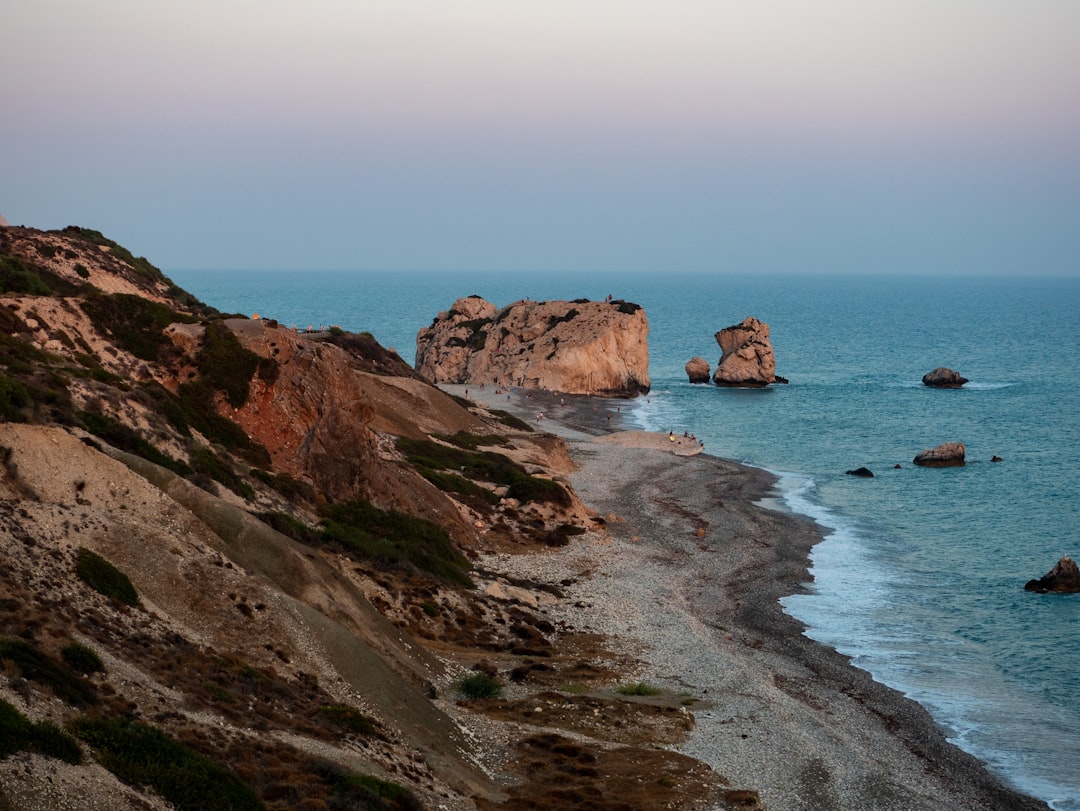
Cyprus, the sun-kissed island steeped in millennia of history and mythology, is a treasure trove of cultural wonders. Beyond its stunning beaches and ancient ruins, the island's cities boast a remarkable collection of statues that tell compelling stories of courage, innovation, and national identity. These sculpted figures are more than just artistic creations; they are iconic landmarks and windows into the soul of Cyprus, celebrating heroes, philosophers, and the very spirit of the nation.
Join us on a journey through the heart of Cyprus as we discover the most famous and historically significant city statues that grace its vibrant urban landscapes.
Nicosia: The Capital's Enduring Symbols
As the bustling capital, Nicosia is home to several monuments that encapsulate the island's modern history and its struggle for freedom.
The Liberty Monument
Located near the Venetian Walls, the Liberty Monument is arguably one of the most powerful and recognizable statues in Cyprus. Erected in 1973, it commemorates the EOKA struggle against British colonial rule (1955-1959), which ultimately led to Cyprus's independence. The monument depicts a towering bronze figure of Liberty, flanked by ten smaller figures representing the Cypriot people breaking free from chains. Surrounding them, two EOKA fighters guard imprisoned Greek Cypriots. It stands as a profound symbol of national liberation and resilience.
Archbishop Makarios III Statue
A revered figure in Cypriot history, Archbishop Makarios III was the first President of the Republic of Cyprus. His statue typically stands prominently, often near the Presidential Palace or other significant public spaces. These monuments honor his pivotal role in guiding Cyprus to independence and his enduring legacy as a national leader and ecclesiastical figure.
Limassol: Coastal City's Artistic Expressions
Limassol, with its vibrant promenade and rich maritime heritage, showcases a blend of historical and contemporary public art.
The Lady of Limassol (Limassol Mermaid)
Gracing the Limassol Marina area or seafront promenade, the Limassol Mermaid is a more modern, yet instantly recognizable, piece of public art. This elegant and captivating bronze figure, often depicted emerging gracefully from the water, has become a popular photo opportunity and an emblem of Limassol's deep connection to the Mediterranean Sea. It embodies the city's modern artistic flair and its coastal identity.
General Markos Drakos Statue
Honoring another hero of the EOKA struggle, the statue of General Markos Drakos is a significant historical marker in Limassol. Drakos was a prominent EOKA fighter who fell during the independence struggle, and his monument serves as a reminder of the sacrifices made for the nation's freedom. It is a powerful historical landmark for locals and visitors alike.
Paphos: Echoes of Ancient History
Paphos, a UNESCO World Heritage site and a region steeped in ancient mythology and archaeology, features statues that bridge its glorious past with its present.
The Fisherman Statue
At the picturesque Paphos Harbour, the Fisherman Statue stands as a tribute to the city's enduring maritime tradition. This realistic depiction of a fisherman at work symbolizes the hard work and historical significance of fishing to the local economy and culture. It's a charming and reflective piece that connects visitors to Paphos's authentic character and its long-standing relationship with the sea.
King Evagoras II Statue
While various ancient figures are commemorated, a statue representing King Evagoras II (or a similar prominent ancient Cypriot king) can be found in central Paphos, often near significant archaeological sites. These monuments celebrate the region's illustrious past as an ancient kingdom and its rich archaeological heritage, reminding all of Paphos's former glory as a powerful city-state.
Larnaca: A Blend of Ancient Wisdom and Modernity
Larnaca, built on the ancient city-kingdom of Kition, boasts statues that reflect its profound philosophical and historical roots.
Statue of Zeno of Kition
Along Larnaca's beautiful Phinikoudes Promenade stands the impressive statue of Zeno of Kition. Zeno, born in Kition around 334 BC, was the founder of Stoicism, one of the most influential schools of Hellenistic philosophy. This monument is a powerful reminder of Larnaca's contribution to global thought and its rich philosophical heritage. It's a key cultural landmark for those interested in ancient Greek philosophy.
Kimonas the Athenian Statue
Also located on the Larnaca seafront, the statue of Kimonas the Athenian commemorates another crucial historical figure. Kimonas was an Athenian general who famously died defending Kition in 450 BC. His monument symbolizes the deep and ancient ties between Cyprus and Athens, highlighting periods of alliance and conflict that shaped the island's early history. It's an important historical monument reflecting the complex tapestry of ancient Mediterranean relations.
Explore Cyprus's Sculpted Stories
These famous city statues offer more than just aesthetic beauty; they are vital components of Cyprus's cultural heritage, telling tales of struggle, triumph, wisdom, and daily life. From the national symbols in Nicosia to the ancient philosophers of Larnaca and the maritime spirit of Limassol and Paphos, each statue invites you to delve deeper into the island's captivating narrative. Next time you visit, take a moment to appreciate these iconic landmarks and the profound stories they eternally whisper across the ages.