How to Experience Middle East’s Rich Literary History
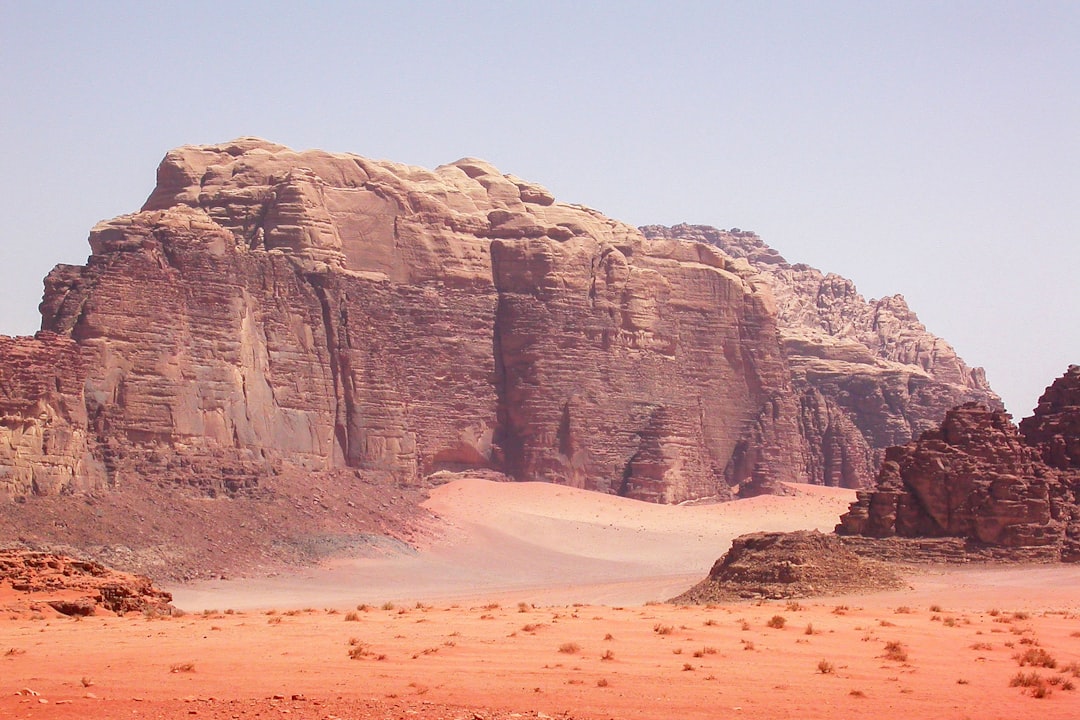
The Middle East boasts a literary heritage as vast and intricate as its ancient landscapes. From the epic oral traditions and sacred texts of antiquity to the philosophical treatises of the Islamic Golden Age and the vibrant contemporary novels, this region has been a cornerstone of global storytelling and intellectual thought. Delving into Middle Eastern literature is an unparalleled journey into the soul of its diverse cultures and peoples.
Journey Through Literary Landscapes
One of the most enriching ways to connect with this profound literary past is through direct engagement with its physical remnants and vibrant modern scenes.
Visit Historic Libraries and Cultural Hubs
The Middle East was once home to the world's greatest centers of learning. While some historic libraries have been lost to time, their legacy endures, and new institutions continue the tradition.
- Libraries of Alexandria (Egypt): Though the ancient library is gone, modern Alexandria houses a magnificent new Bibliotheca Alexandrina, echoing its past.
- Al-Azhar University Library (Cairo, Egypt): A treasury of Islamic manuscripts and theological works, reflecting centuries of scholarship.
- Suleymaniye Library (Istanbul, Turkey): Home to an astounding collection of Ottoman, Arabic, and Persian manuscripts.
- Fez (Morocco): Explore the ancient Madrassas and libraries that were once intellectual powerhouses.
Explore Iconic Literary Cities
Many cities in the Middle East have been muses and homes to some of history's greatest writers and poets. Walking their streets can evoke a powerful sense of connection to their literary giants.
- Baghdad (Iraq): The heart of the Abbasid Golden Age, a city synonymous with scholarship and the setting for many tales from One Thousand and One Nights.
- Cairo (Egypt): The bustling backdrop for much of Naguib Mahfouz's Nobel Prize-winning novels, particularly the historic Khan el-Khalili market and its surrounding literary cafes.
- Shiraz (Iran): The city of poets, most notably Hafez and Saadi. Visit their tombs and gardens (Hafezieh and Saadieh) which are vibrant centers of poetic appreciation.
- Konya (Turkey): The spiritual home of Rumi, the revered Sufi mystic and poet. His mausoleum and museum offer deep insights into his life and work.
- Beirut (Lebanon): A historical hub for Arab intellectuals and publishers, nurturing figures like Gibran Khalil Gibran.
Attend Literary Festivals & Book Fairs
The contemporary Middle East continues its literary tradition with a growing number of international festivals and book fairs, offering direct interaction with authors and new publications.
- Sharjah International Book Fair (UAE): One of the largest book fairs in the world, attracting millions of visitors and hundreds of authors.
- Abu Dhabi International Book Fair (UAE): Another significant event showcasing Arab and international literature.
- Cairo International Book Fair (Egypt): A major cultural event in the Arab world, highlighting Egyptian and regional literary output.
Immerse Yourself in Words and Wisdom
Beyond travel, there are numerous ways to engage deeply with the rich tapestry of Middle Eastern literature.
Delve into Timeless Masterpieces
Start with the foundational texts that have shaped not only the region but also global literature.
- One Thousand and One Nights (Arabian Nights): A collection of Middle Eastern folk tales and stories compiled over centuries, featuring iconic characters like Aladdin and Sindbad.
- The Rubaiyat of Omar Khayyam: A collection of quatrains by the Persian mathematician and astronomer, renowned for its philosophical depth.
- Kalīlah wa-Dimnah: An ancient collection of animal fables of Indian origin, translated into Arabic and immensely influential.
- The Epic of Gilgamesh: One of the earliest surviving works of literature, from ancient Mesopotamia, exploring themes of heroism and mortality.
Embrace the Beauty of Poetry
Poetry holds a revered place in Middle Eastern culture, often seen as the highest form of artistic expression.
- Sufi Poetry: Explore the mystical verses of Rumi, Hafez, and Saadi, whose works explore divine love, spiritual awakening, and the human condition.
- Classical Arabic Poetry: Discover the eloquence of poets like Al-Mutanabbi and Abu Nuwas, celebrated for their mastery of language and intricate themes.
- Modern Arabic Poetry: Engage with contemporary poets who continue to innovate and reflect on modern challenges.
Learn the Languages of Literature
To truly appreciate the nuance and beauty of Middle Eastern literature, consider learning one of its key languages.
- Arabic: The language of the Quran, classical poetry, and a vast body of prose.
- Persian (Farsi): The language of Rumi, Hafez, Saadi, and many other Persian literary giants.
- Turkish: The language of Ottoman divan poetry and modern Turkish literary figures like Orhan Pamuk.
Discover Contemporary Literary Voices
The Middle East continues to produce groundbreaking authors who tackle universal themes with unique regional perspectives.
- Naguib Mahfouz (Egypt): A Nobel laureate whose novels capture the complexities of Egyptian society.
- Gibran Khalil Gibran (Lebanon): Famous for The Prophet, whose philosophical prose poetry transcends cultures.
- Orhan Pamuk (Turkey): Another Nobel Prize winner, known for his intricate novels blending Eastern and Western traditions.
- Ahdaf Soueif (Egypt): An acclaimed novelist and political commentator.
- Raja Alem (Saudi Arabia): The first Saudi woman to win the International Prize for Arabic Fiction.
Experiencing the Middle East's rich literary history is a deeply rewarding endeavor. Whether you travel to its ancient cities, immerse yourself in classic texts, or engage with its contemporary voices, you will uncover a world of profound beauty, wisdom, and enduring stories.