Exploring the UNESCO World Heritage Sites of Guam
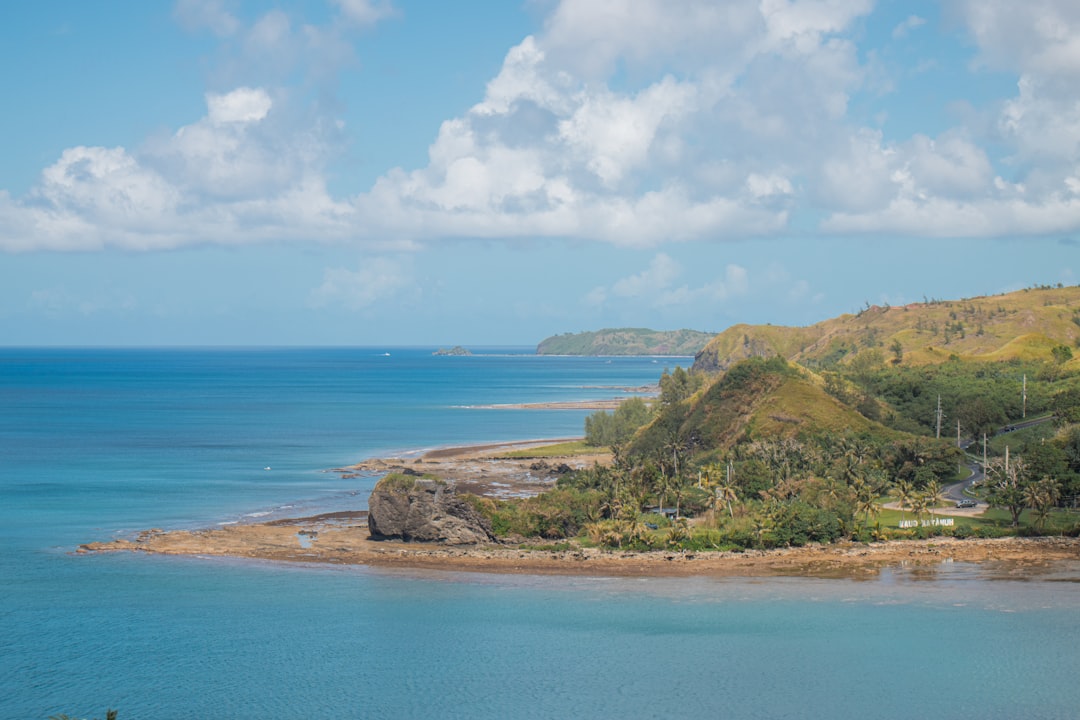
Guam, a captivating island nestled in the Western Pacific, boasts a profound history, vibrant culture, and breathtaking natural beauty. When one thinks of UNESCO World Heritage Sites, images of ancient ruins, iconic natural wonders, and places of immense global significance often come to mind. While Guam does not currently host any officially designated UNESCO World Heritage Sites, its rich tapestry of heritage holds immense potential and is certainly worth exploring through the lens of what could be recognized on the global stage.
Guam's Unique Tapestry of Heritage
The island of Guam is a melting pot of indigenous Chamorro culture, colonial influences, and a pivotal role in modern history. This unique blend creates a heritage landscape that is as diverse as it is compelling, making it a compelling candidate for future international recognition.
A Legacy of Ancient Chamorro Culture
The indigenous Chamorro people have inhabited Guam for over 4,000 years, developing a sophisticated culture deeply connected to the land and sea. Their ancient sites and traditions are living testaments to their resilience and ingenuity.
- Latte Stones: These iconic, mushroom-shaped megalithic pillars are perhaps the most recognizable symbol of ancient Chamorro civilization. Used as foundations for homes and other structures, they represent an architectural marvel and a significant cultural identifier found exclusively in the Mariana Islands. Sites like the Latte Stone Park in Hagåtña showcase these impressive structures.
- Ancient Villages and Burial Sites: Scattered across the island are remnants of ancient Chamorro villages and burial grounds, offering invaluable insights into prehistoric life, social structures, and spiritual beliefs. Efforts to preserve and interpret these sites, such as the Gef Pa'go Cultural Village, highlight the ongoing connection to ancestral practices.
- Oral Traditions and Language: The Chamorro language, along with its rich collection of legends, chants, and folklore, carries the collective memory of the Chamorro people. Preservation efforts for the language and oral traditions are crucial for maintaining cultural authenticity.
Echoes of World War II and Colonial History
Guam's strategic location made it a focal point during various historical periods, leaving behind significant imprints of Spanish colonization and, most notably, World War II.
- War in the Pacific National Historical Park: This powerful park preserves battlefields, caves, and historical structures from the intense World War II liberation of Guam. It serves as a somber reminder of the sacrifices made and the profound impact of global conflict on the island, holding outstanding universal value related to human history.
- Spanish Colonial Ruins: Remnants of over 300 years of Spanish rule, such as the Fort Nuestra Señora de la Soledad and the Plaza de España in Hagåtña, tell a story of exploration, trade, and cultural exchange that shaped much of the Western Pacific.
Pristine Natural Wonders
Beyond its cultural and historical significance, Guam is also a gem of natural beauty, home to unique ecosystems that contribute to its potential heritage value.
- Marine Ecosystems: The vibrant coral reefs surrounding Guam support an astonishing diversity of marine life, making it a hotspot for biodiversity. These healthy reef systems are crucial for scientific research and represent a natural treasure.
- Tropical Landscapes: From lush waterfalls like Talofofo Falls to unique limestone forests and dramatic coastal cliffs, Guam's terrestrial environment offers stunning landscapes and habitats for endemic flora and fauna.
The Path to UNESCO Recognition
Achieving UNESCO World Heritage status is a rigorous process, requiring a site to demonstrate Outstanding Universal Value (OUV) and meet strict criteria for integrity, authenticity, and protection.
What Makes a Site World Heritage Worthy?
For a site to be inscribed on the World Heritage List, it must possess:
- Outstanding Universal Value (OUV): This means it has cultural and/or natural significance which is so exceptional as to transcend national boundaries and be of common importance for present and future generations of all humanity.
- Integrity and Authenticity: The site must be whole and intact, reflecting its historical period and purpose accurately.
- Protection and Management: There must be adequate legal, planning, and management frameworks in place to ensure its long-term preservation.
Ongoing Efforts and Future Aspirations
Guam's journey towards potential UNESCO recognition involves dedicated efforts from local governmental agencies, non-profit organizations, and the Chamorro community. These efforts focus on:
- Documentation and Research: Thoroughly documenting the historical, cultural, and ecological significance of potential sites.
- Conservation and Preservation: Implementing robust strategies to protect these valuable assets from environmental degradation and human impact.
- Community Engagement: Ensuring that the local community, especially the Chamorro people, are actively involved in the nomination process and the ongoing stewardship of their heritage.
Preserving Guam's Treasures for Future Generations
Regardless of official UNESCO designation, the commitment to preserving Guam's unique cultural and natural heritage remains paramount. These sites and traditions are not just relics of the past; they are living components of the island's identity and hold immense value for education, tourism, and intergenerational pride. Exploring Guam's heritage is an invitation to understand a distinct culture and a vital piece of global history, ensuring these treasures endure for all to appreciate.