Discovering Russia's Art Deco Wonders: A Guide to Iconic Architecture
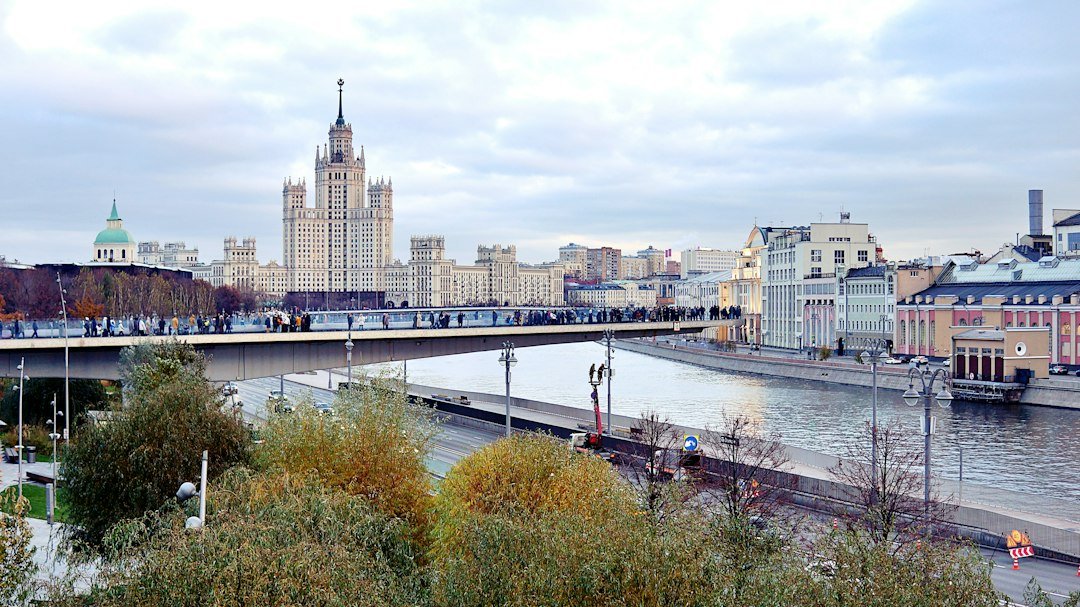
The Russian Federation might not be the first place that comes to mind when you think of Art Deco architecture, but this vast country holds a treasure trove of stunning examples. Far from being a mere imitation of Western trends, Russian Art Deco developed a unique identity, blending the style's inherent glamour with the monumental aspirations of the Soviet era. If you're an architecture enthusiast or a curious traveler, exploring these magnificent structures offers a captivating journey through history and design.
The Unique Evolution of Art Deco in Russia
Art Deco, which flourished globally in the 1920s and 1930s, is characterized by its geometric patterns, rich ornamentation, streamlined forms, and luxurious materials. In Russia, particularly after the October Revolution, the style underwent a fascinating transformation. It integrated elements of Constructivism and later evolved into what is often referred to as Stalinist Empire style or Soviet Art Deco, reflecting the grand ambitions of the nascent Soviet state. This synthesis resulted in buildings that are both aesthetically dazzling and historically significant, telling a story of modernity under a unique political ideology.
Moscow: A Capital of Art Deco Masterpieces
Moscow, the bustling capital, is undeniably the epicenter of Russian Art Deco and Stalinist architecture. The city's rapid expansion and redevelopment in the mid-20th century provided a canvas for architects to create some of the most impressive examples of the style.
Iconic Structures and Their Stories
-
Moscow Metro Stations: Perhaps the most accessible and dazzling examples of Soviet Art Deco are found underground. The Moscow Metro is often called an "underground palace," and for good reason. Stations like:
- Mayakovskaya: Famous for its stainless steel, rhodonite, and original ceiling mosaics.
- Komsomolskaya: Known for its elaborate baroque-influenced ceiling and monumental mosaics.
- Ploshchad Revolyutsii: Adorned with 76 bronze sculptures of Soviet people. These stations exemplify the fusion of Art Deco's luxurious aesthetic with socialist realist themes, designed to inspire and awe the common worker.
-
The Seven Sisters (Stalin's Skyscrapers): These magnificent, towering structures dominate Moscow's skyline. While primarily categorized under Stalinist Empire style, their colossal scale, vertical emphasis, and intricate detailing bear strong Art Deco influences. Key examples include:
- Lomonosov Moscow State University: The tallest of the Seven Sisters, an imposing academic complex.
- Hotel Ukraina (Radisson Collection Hotel, Moscow): A grand hotel showcasing opulent interiors.
- Kotelnicheskaya Embankment Building: A striking residential building with a central spire.
-
Other Notable Buildings: Beyond the metro and skyscrapers, Moscow boasts other architectural gems:
- Moscow Hippodrome: Rebuilt in the 1950s, featuring triumphant archways and classical elements with Art Deco flair.
- Tsentrosoyuz Building (Centrosoyuz): While more Constructivist, its monumental scale and geometric precision laid groundwork for later Art Deco expressions.
St. Petersburg: Echoes of Elegance
While St. Petersburg (formerly Leningrad) largely retains its classical and Baroque grandeur, it also offers glimpses of Art Deco from the Soviet era. Many of these examples are less grandiose than Moscow's but still possess the characteristic elegance and streamlined forms.
Glimpses of Art Deco in the Northern Capital
-
Residential Buildings: Look for residential complexes built in the 1930s, often characterized by:
- Simplified, geometric facades.
- Rounded corners and porthole windows.
- Decorative elements like relief sculptures and streamlined balconies.
- Areas like the Moskovsky Prospekt or Kirovsky District reveal some of these less-celebrated but equally captivating examples.
- Palace of Culture named after S.M. Kirov: An example of early Soviet public architecture that incorporates streamlined forms and monumental scale, hinting at Art Deco's influence.
Why Explore Russian Art Deco?
Delving into Russian Art Deco architecture offers a unique and rewarding experience for several reasons:
- Historical Significance: These buildings are living relics, encapsulating a pivotal period of social and political change.
- Unique Stylistic Blend: Witness firsthand how a global design trend was reinterpreted and integrated into a distinct national identity.
- Sheer Scale and Opulence: From the dazzling metro stations to the imposing skyscrapers, the grandeur of Soviet Art Deco is truly breathtaking.
- Cultural Immersion: Exploring these architectural marvels provides deeper insight into Russian culture, design philosophy, and urban planning during the Soviet era.
From the opulent underground palaces of the Moscow Metro to the stately grandeur of Stalin's skyscrapers, Russian Art Deco offers a captivating journey through a unique chapter in architectural history. It’s a testament to how a style can adapt, evolve, and tell a powerful story, making it a must-see for anyone interested in the built environment.