Discovering Guinea's Living Heritage: Top Open-Air Museums & Cultural Sites
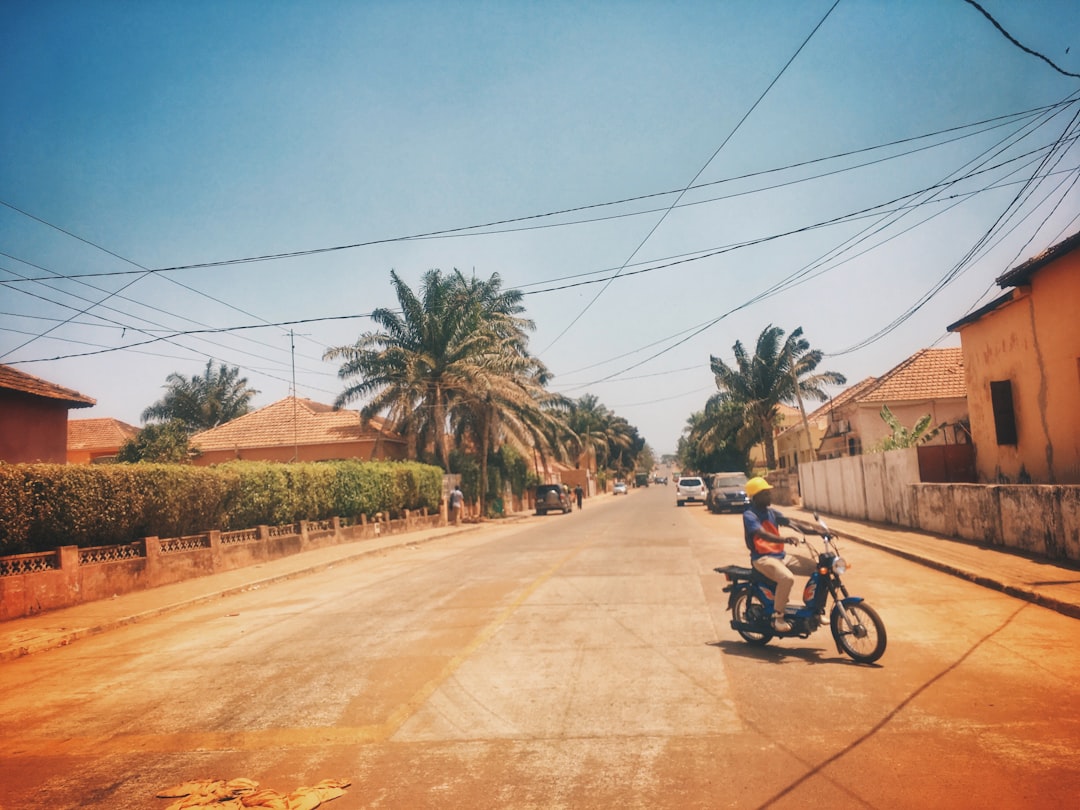
Guinea, a land rich in history and vibrant traditions, offers a unique opportunity to step back in time. While not always conventional "museums" with four walls, its numerous open-air cultural sites and living heritage villages serve as powerful windows into the nation's soul. These immersive experiences invite visitors to explore traditional Guinean life, ancient customs, and historical landscapes that have shaped this fascinating West African country.
The Heart of Tradition: Immersive Cultural Villages
Step into the daily lives of Guinea's diverse ethnic groups through thoughtfully preserved or recreated villages. These open-air settings are not just exhibits; they are active communities or sites dedicated to keeping ancestral practices alive.
Experiencing the Fouta Djallon's Pastoral Life
The highlands of the Fouta Djallon region are home to the Fulani people, known for their pastoralist traditions and rich cultural heritage. Exploring a Fulani cultural village offers a deep dive into their way of life.
- Witness traditional cattle herding and dairy production.
- Learn about intricate Fulani architecture, often featuring round huts with thatched roofs.
- Observe demonstrations of traditional crafts like weaving, pottery, and leatherwork.
- Experience storytelling sessions and musical performances featuring the kora and balafon.
Echoes of the Forest Region: Mandingo Heritage
In Guinea's lush forest region, sites dedicated to the Mandingo (Malinké) culture showcase the historical influence of the Mali Empire. These open-air spaces often emphasize the community aspect and the deep connection to the land.
- Explore compounds designed to reflect traditional Mandingo family structures.
- Participate in workshops on dyeing techniques using natural pigments.
- Understand the significance of griots (storytellers and oral historians) in preserving Mandingo history.
- Discover medicinal plants and traditional farming methods.
Historical Landscapes: Journeys Through Time
Beyond living villages, Guinea boasts numerous historical sites that function as open-air museums, where the landscape itself tells tales of empires, trade, and resilience.
Tracing the Routes of Empires: Ancient Trade Paths
Guinea played a crucial role in the trans-Saharan trade routes, linking vast empires. Exploring remnants of these pathways offers a tangible connection to its storied past.
- Identify areas that once served as caravan stops or market hubs.
- Learn about the exchange of gold, salt, kola nuts, and other commodities.
- Visit sites connected to figures like Almamy Samory Touré, a powerful Mandingo leader who resisted French colonization.
Colonial Footprints: Conakry's Outdoor Galleries
Guinea's capital, Conakry, is an open-air museum of colonial architecture juxtaposed with modern Guinean life. A stroll through the city center reveals layers of history.
- Admire Belle Époque structures and French colonial buildings.
- Explore the Grand Market, a bustling outdoor market that has been a center of commerce for centuries.
- Visit the National Museum of Guinea, with many artifacts displayed in an open-air setting or accessible courtyards.
- Reflect on the statues and monuments that commemorate Guinea's struggle for independence.
The Soul of Guinea: Art, Music, and Dance in the Open Air
Many of Guinea's cultural experiences are inherently open-air, celebrating the nation's vibrant artistic expressions in natural settings or community spaces.
- Witness dynamic dance performances like the doundounba or the ballet africain in village squares or festival grounds.
- Experience the rhythmic drumming that is the heartbeat of Guinean culture, often performed outdoors during ceremonies and celebrations.
- Observe local artists creating sculptures, masks, and paintings in open studios or public spaces.
- Engage with traditional storytelling under the shade of ancient trees.
Why Visit Guinea's Open-Air Cultural Sites?
These unique "museums" offer more than just historical facts; they provide profound, interactive experiences.
- Authentic Cultural Immersion: Directly engage with Guinean traditions and ways of life.
- Historical Understanding: Gain a deeper appreciation for Guinea's complex past.
- Support for Local Communities: Contribute directly to the preservation of heritage and local economies.
- Unique Travel Experiences: Discover sights and sounds not found in conventional museums.
- Educational Opportunities: Learn about biodiversity, traditional architecture, and indigenous knowledge systems.
Exploring Guinea's open-air museums and cultural sites is an unparalleled journey into the heart of West African heritage. It's an invitation to connect with history, celebrate tradition, and experience the warm hospitality of its people.