Discovering Botswana's Sacred Sites: A Guide to Religious Landmarks and Temples
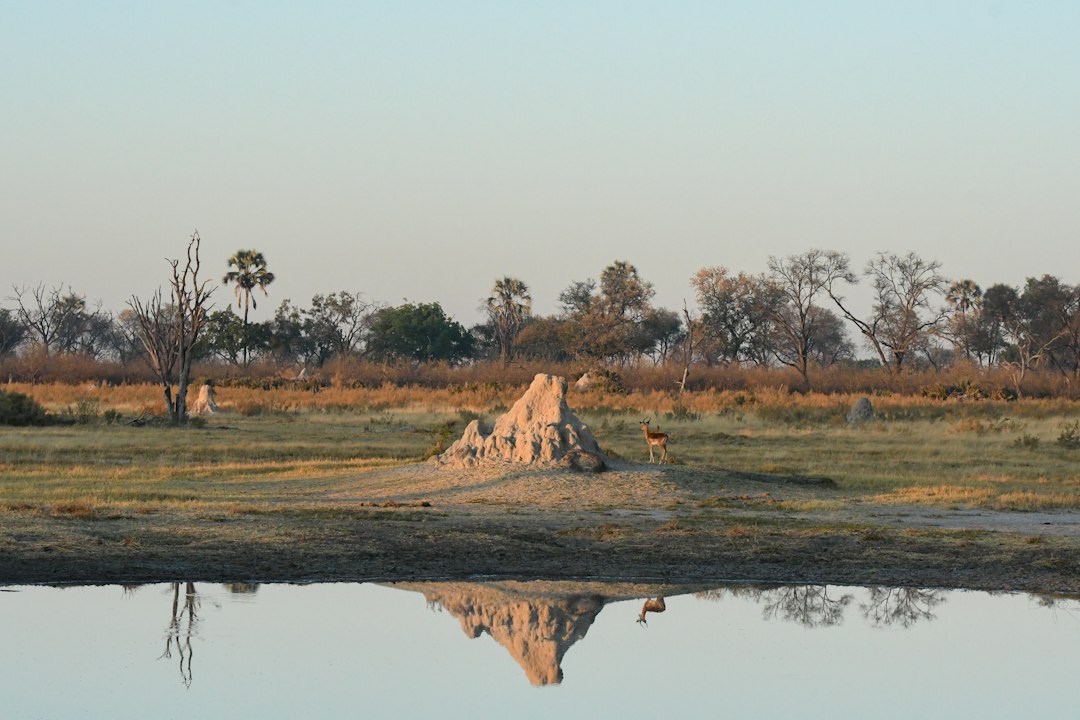
Botswana is globally celebrated for its unparalleled wildlife and pristine natural landscapes, drawing adventurers to its vast deserts and lush deltas. However, beyond the iconic safaris lies a less-explored facet of this Southern African nation: a rich and diverse spiritual landscape. For those seeking to delve deeper into the cultural tapestry and historical heritage of Botswana, exploring its religious landmarks and temples offers a uniquely profound experience.
The Spiritual Tapestry of Botswana
Botswana is a beacon of religious tolerance, where various faiths coexist peacefully. While Christianity is the dominant religion, traditional African beliefs remain deeply influential, often blending with modern practices. Significant communities of Hindus, Muslims, and adherents of the Baha'i Faith also contribute to the nation's spiritual diversity, particularly in urban centers. This mosaic of faiths has led to the establishment of numerous places of worship, each telling a story of faith, community, and history.
Prominent Christian Landmarks
As the majority religion, Christianity has a strong presence across Botswana, from bustling cities to remote villages. Churches serve not only as places of worship but also as vital community hubs.
Key Churches and Cathedrals
Botswana boasts numerous impressive churches, reflecting various denominations and architectural styles.
- Gaborone's Cathedrals: The capital city is home to several significant Christian structures, including the Roman Catholic Cathedral of Christ the King and various large Anglican and Protestant churches. These buildings often showcase modern African architectural interpretations alongside traditional designs.
- Historical Churches: Many older towns and villages, such as Mochudi and Francistown, feature historical churches built during the colonial era or early missionary periods. These structures often hold significant heritage value and provide insights into Botswana's past.
Mission Stations and Their Legacy
Early Christian missionaries played a crucial role in the development of education and healthcare in Botswana.
- Kanye and Molepolole: These areas, among others, were significant mission stations that established some of the country's first schools and hospitals. While many original structures may have evolved, their legacy as centers of community development and spiritual guidance endures.
Exploring Traditional African Religious Sites
Long before the arrival of foreign religions, the indigenous peoples of Botswana practiced Traditional African Religions. These beliefs are deeply intertwined with nature, ancestral veneration, and the concept of a supreme being.
Sacred Hills and Ancestral Groves
Certain natural formations are considered highly sacred, serving as sites for rituals, prayers, and connection with ancestors.
- Tsodilo Hills: A UNESCO World Heritage Site, Tsodilo Hills is not only famous for its ancient rock art but also holds immense spiritual significance for the San and Hambukushu people. It is considered a sacred place where ancestral spirits reside and where creation stories unfold. Visiting these hills offers a profound glimpse into the indigenous spiritual heritage of Botswana.
- Other Sacred Spaces: Throughout the country, specific groves, water sources, and hills are revered as places of power and connection to the spiritual realm, often overseen by traditional healers or spiritual leaders.
Cultural Festivals and Rituals
Traditional religious practices are often expressed through vibrant cultural festivals, ceremonies, and rituals. These events celebrate harvests, rites of passage, and connections to the ancestors, showcasing the living traditions of Botswana's diverse ethnic groups.
Other Faiths: Temples, Mosques, and Community Centers
Botswana's urban centers, particularly Gaborone and Francistown, are home to diverse immigrant communities who have established their own places of worship, enriching the nation's spiritual landscape.
Hindu Temples in Botswana
The vibrant Indian diaspora in Botswana has built beautiful temples that serve as cultural and spiritual hubs.
- Gaborone Hindu Temples: The capital city features several prominent Hindu temples, often intricately designed and serving various sects. These temples are centers for prayer, festivals, and community gatherings, reflecting the rich traditions of Hinduism.
- Francistown: Other major towns also host smaller, yet equally significant, Hindu temples and cultural centers.
Mosques and Islamic Centers
The Muslim community in Botswana, composed of both indigenous Batswana and immigrants, maintains several mosques and Islamic centers.
- Urban Mosques: Mosques in Gaborone, Francistown, and other towns are centers for daily prayers, Friday congregations, and Islamic education. They represent the strong presence of Islam and its contribution to the nation's multicultural fabric.
Baha'i Houses of Worship
The Baha'i Faith, known for its emphasis on unity and peace, has a growing presence in Botswana. While there isn't a national Baha'i House of Worship, local Baha'i centers and gatherings are found across the country, embodying their unique principles.
Why Visit Botswana's Religious Sites?
Exploring Botswana's religious landmarks offers more than just sightseeing; it provides a unique window into the country's soul.
- Cultural Immersion: Understand the beliefs and practices that shape the lives of Batswana.
- Historical Insight: Discover the impact of various faiths on Botswana's development and societal structure.
- Architectural Appreciation: Marvel at the diverse designs, from traditional African structures to modern cathedrals and ornate temples.
- Peace and Contemplation: Find moments of quiet reflection and spiritual connection in these sacred spaces.
Botswana's spiritual side is as captivating as its wilderness. By stepping beyond the conventional tourist trails to discover its religious landmarks and temples, visitors can gain a deeper appreciation for the nation's rich cultural diversity and enduring spiritual strength.