Discover the Vibrant Traditional Dress & Costumes of Tanzania
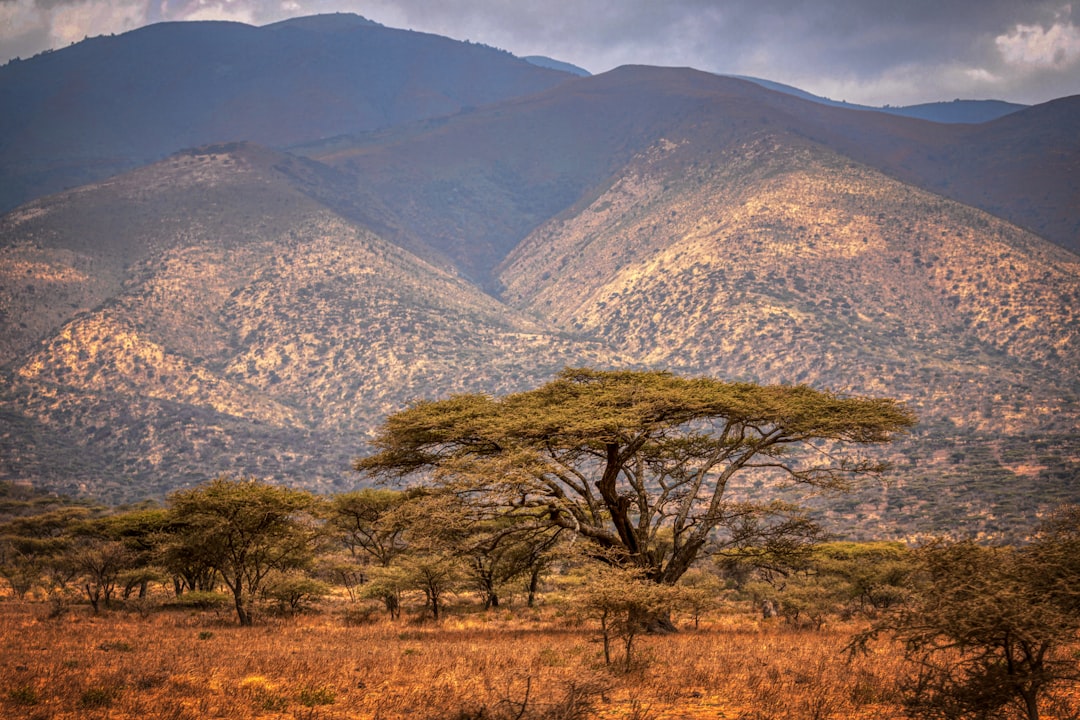
Tanzania, a land of breathtaking landscapes and diverse cultures, boasts a rich tapestry of traditional dress and costumes. Each fabric, pattern, and garment tells a story, reflecting the history, beliefs, and artistic flair of its numerous ethnic groups. Exploring Tanzanian traditional attire offers a fascinating glimpse into the heart of its cultural heritage.
The Iconic Kanga and Kitenge: Everyday Elegance
No discussion of Tanzanian fashion is complete without highlighting the omnipresent Kanga and Kitenge. These vibrant textiles are not just fabrics; they are integral to daily life and cultural expression.
Kanga: More Than Just Fabric
The Kanga is a lightweight, rectangular piece of printed cotton fabric, typically sold in pairs. Its most distinctive feature is a central motif (mji), a border (pindo), and often a Swahili proverb or message (jina) printed along the bottom.
- Versatile Use: Women use Kangas as wraps, skirts, head coverings, shawls, and even as baby carriers.
- Cultural Significance: The proverbs on Kangas can convey messages of love, wisdom, or even discreet warnings, making them a unique form of non-verbal communication.
- Vibrant Patterns: Kangas feature an explosion of colors and intricate designs, making each piece a work of art.
Kitenge: Versatile and Vibrant
The Kitenge, similar to the Kanga but made from a heavier, wax-printed cotton, is another staple in Tanzanian wardrobes. Its durability and bold patterns make it highly versatile.
- Bold Designs: Kitenges are characterized by their striking, often geometric or abstract patterns, created using a wax-resist dyeing technique.
- Wide Applications: Used to fashion dresses, shirts, skirts, and even tailored suits. It's also popular for accessories like bags and shoes, and for home decor.
- Modern Adaptations: Designers frequently incorporate Kitenge fabric into contemporary fashion, bridging traditional aesthetics with modern styles.
Dress of Specific Ethnic Groups: A Spectrum of Identity
Tanzania is home to over 120 ethnic groups, each with unique traditions beautifully expressed through their attire.
The Striking Attire of the Maasai
The Maasai people, renowned for their distinctive semi-nomadic lifestyle, are instantly recognizable by their vibrant clothing and elaborate adornments.
- Shúkà: Maasai men and women typically wear a shúkà, a sheet of fabric wrapped around the body. Red is the predominant color, symbolizing courage and blood, though blue, green, and checkered patterns are also common.
- Beaded Jewelry: Elaborate beaded jewelry is central to Maasai identity. Necklaces, bracelets, and earrings, crafted from colorful beads, indicate social status, age, and marital status. Women often wear large, flat disc necklaces.
- Symbolism: Every aspect of Maasai dress, from the color of the shúkà to the design of the beads, carries deep cultural significance.
Other Traditional Garments and Adornments
Beyond the Kanga, Kitenge, and Maasai shúkà, many other elements contribute to Tanzania's rich sartorial landscape.
Traditional Accessories and Jewelry
- Beads and Cowrie Shells: Used across various ethnic groups for necklaces, bracelets, anklets, and waist beads, often signifying beauty, wealth, or spiritual protection.
- Headwraps and Turbans: Beautifully tied headwraps are common among women, showcasing intricate folding techniques and adding an element of grace.
Modern Adaptations and Fusing Traditions
Today, Tanzanian designers are skillfully blending traditional fabrics and styles with contemporary fashion trends. This creates unique garments that celebrate cultural heritage while appealing to a global audience. From haute couture to everyday wear, the influence of Tanzanian traditional textiles is increasingly visible on runways and in street style, making traditional dress a dynamic part of Tanzanian fashion.