Discover the Soul of Bulgaria: Traditional Music and Dance Unveiled
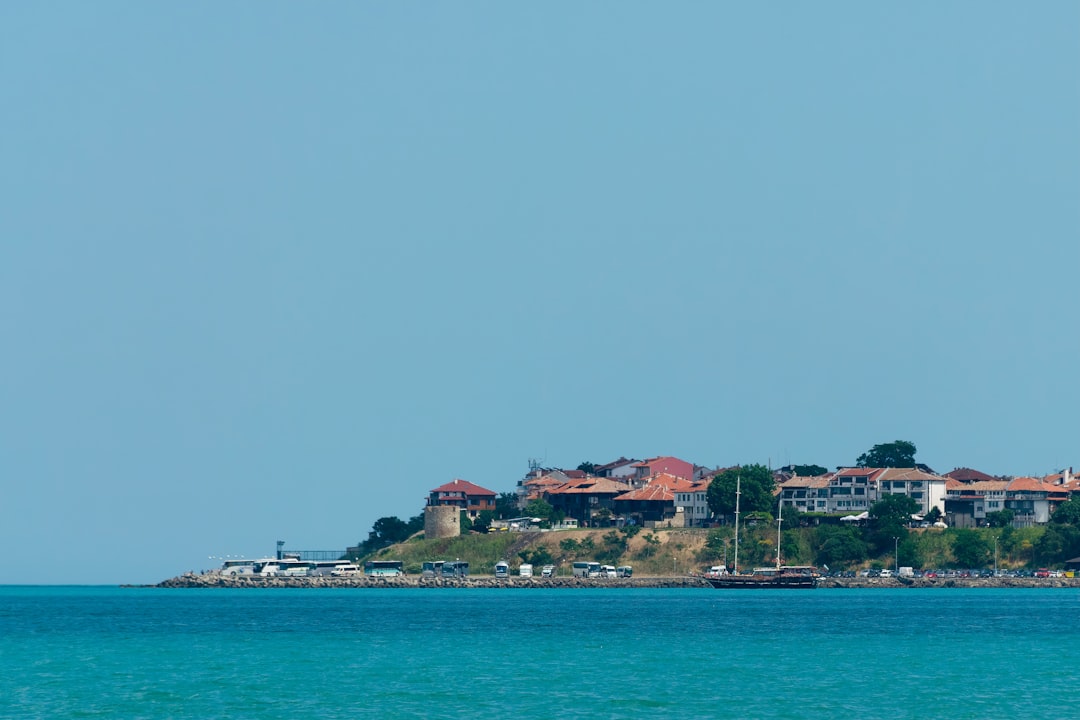
Bulgaria, a land rich in history and vibrant culture, offers a captivating journey into its traditional music and dance. These ancient art forms are more than just entertainment; they are the very heartbeat of the nation, reflecting its history, struggles, triumphs, and unique spirit. From the haunting melodies of the kaval to the intricate footwork of the horo, Bulgarian folk traditions are a powerful testament to a heritage carefully preserved and passionately performed.
The Evocative Sounds of Bulgarian Traditional Music
Bulgarian folk music is renowned worldwide for its distinctive sound and complex structures. It's a sonic landscape that can be both profoundly melancholic and exuberantly joyful.
Iconic Instruments that Sing
The unique soundscape is largely defined by its traditional instruments:
- Gaida (Bagpipe): The quintessential Bulgarian instrument, producing a rich, resonant drone and melodic line.
- Kaval (End-blown Flute): Known for its expressive, often haunting melodies.
- Gadulka (Fiddle): A bowed string instrument with a distinctive bright, reedy tone, often played in an ensemble.
- Tupan (Double-headed Drum): Provides the powerful, complex rhythmic foundation for both music and dance.
Complex Rhythms and Melodic Modes
Unlike much Western music, Bulgarian folk music often employs asymmetrical meters (e.g., 5/8, 7/8, 9/8, 11/8, 13/8, 15/8, 22/8), creating a dynamic and often mesmerizing feel. The melodies frequently draw from ancient modal scales, contributing to their unique, almost ethereal quality. Polyphony, especially in vocal traditions, adds incredible depth and texture.
The Power of Bulgarian Voices
Bulgarian vocal music, particularly the famous Bulgarian women's choirs, has achieved international acclaim. Their unique open-throated singing style (often referred to as 'bistra glas'), characterized by close harmonies and sometimes dissonant intervals, creates a sound that is both powerful and deeply moving. These traditions often tell stories of village life, love, and heroism.
Bulgarian Folk Dance: A Celebration in Motion
Bulgarian folk dances are a vibrant expression of communal spirit, requiring incredible skill and coordination. They are not merely steps but intricate narratives performed with passion.
Horos and Rachenitsas: The Pillars of Dance
- Horo (Circle Dance): The most widespread form, where dancers hold hands or belts and move in a circle or line. There are countless variations, each with its own rhythm, tempo, and steps. Horos can range from slow, stately movements to incredibly fast and energetic displays.
- Rachenitsa: A dynamic and often improvisational dance, typically for one or two dancers, characterized by rapid footwork and intricate turns. It’s frequently performed to a distinctive 7/16 or 7/8 rhythm.
Intricate Footwork and Rhythmic Dexterity
Bulgarian dances are famous for their complex footwork and varied rhythmic patterns. Dancers often execute quick, precise steps, jumps, and stamps, perfectly synchronized with the music's often irregular meters. The energy and precision are truly captivating.
Traditional Costumes: A Feast for the Eyes
The visual spectacle of Bulgarian folk dance is enhanced by the stunning traditional costumes. Each region boasts its own distinctive attire, rich in embroidered patterns, vibrant colors, and symbolic elements. These garments are not just clothing but historical artifacts that tell stories of local identity and craftsmanship.
Experiencing the Magic: Where to Find Bulgarian Music and Dance
To truly appreciate these traditions, experiencing them live is essential.
Folk Festivals and Celebrations
- Koprivshtitsa National Folk Festival: Held every five years, this is the largest and most prestigious gathering of folk performers from across Bulgaria.
- Rozhen National Folk Fair: Another significant event, often featuring performances, crafts, and traditional Bulgarian food.
- Regional Festivals: Many smaller towns and villages host their own annual celebrations, offering authentic local experiences.
Local Mehanas (Taverns)
Many traditional Bulgarian restaurants, known as mehanas, feature live folk music and dance performances, especially in tourist areas and larger cities. This offers a more intimate and often spontaneous way to enjoy the culture while savoring delicious Bulgarian cuisine.
Cultural Centers and Ensembles
Throughout Bulgaria and in diasporic communities, professional and amateur folk ensembles regularly perform. These groups dedicate themselves to preserving and showcasing the authentic beauty of Bulgarian music and dance. Many cultural centers also offer workshops for those eager to learn the basic steps.
The traditional music and dance of Bulgaria are an unforgettable cultural treasure. They offer a window into the soul of a nation, demonstrating resilience, joy, and a profound connection to its heritage. Whether you're captivated by the soulful sounds of the kaval, the mesmerizing rhythms of the horo, or the powerful harmonies of a Bulgarian choir, these traditions are an essential part of the Bulgarian identity, waiting to be discovered and cherished.