Discover the Rhythms of Paradise: Traditional Music & Dance of Reunion Island
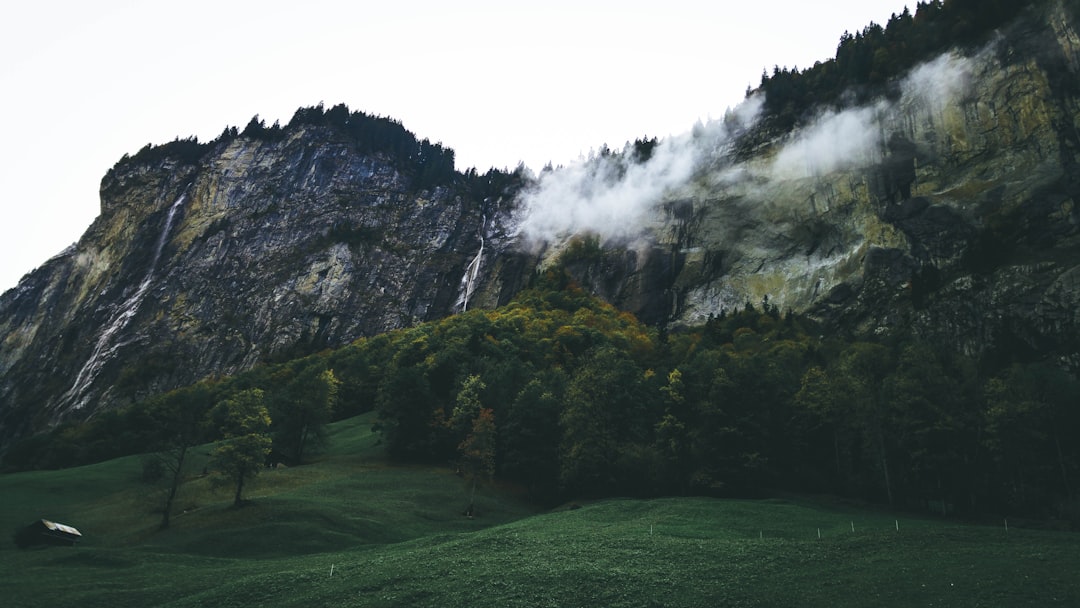
Reunion Island, a French overseas department nestled in the Indian Ocean, is a vibrant melting pot of cultures. Its unique history, shaped by African, Malagasy, European, and Indian influences, is most vividly expressed through its captivating traditional music and dance. From the joyful sway of Sega to the soulful beat of Maloya, these art forms are not just entertainment; they are the very heartbeat and soul of the island, telling stories of joy, struggle, and resilience.
The Heartbeat of Reunion: Sega Music
Sega music is undoubtedly the most well-known traditional genre of Reunion Island. Originating from the island's Creole heritage, it’s a lively, rhythmic folk music that tells tales of everyday life, love, and community.
Origins and Characteristics of Sega
Born from the fusion of various cultural sounds brought by enslaved people and indentured laborers, Sega evolved into a distinct form. Its characteristics include:
- Lively, syncopated rhythms that invite movement.
- Often features melancholic yet spirited lyrics in Reunion Creole.
- Strong emphasis on improvisation and call-and-response patterns.
Essential Sega Instruments
The distinctive sound of Sega comes from a core set of traditional instruments:
- Ravanne: A large frame drum, crucial for the main beat.
- Kayamb: A shaker made from sugar cane stalks and seeds.
- Triangle: Provides a bright, metallic rhythmic accent.
- Accordion and guitar: Later additions that enriched the melodic structure.
The Energetic Sega Dance
The Sega dance perfectly complements the music. It is characterized by:
- Gentle, swaying hip movements and subtle footwork.
- Partners rarely touch, maintaining a respectful distance, making it both sensual and dignified.
- It's a dance of celebration, seen at family gatherings, weddings, and local festivals.
Maloya: The Soulful Cry of Reunion
In stark contrast to the celebratory nature of Sega, Maloya music offers a deeper, more profound connection to the island's past. It is an Afro-Malagasy ritual music that emerged from the enslaved communities on Reunion Island, serving as a powerful expression of their suffering, resistance, and identity.
Historical Roots and Resurgence of Maloya
For many years, Maloya was banned by the French authorities due to its strong association with African culture and potential for rebellion. However, it experienced a powerful resurgence in the late 20th century, becoming a symbol of Reunionnaise identity and a source of pride. In 2009, Maloya was recognized by UNESCO as an Intangible Cultural Heritage of Humanity.
Maloya's Hypnotic Sound
The sound of Maloya is raw, powerful, and often hypnotic. Key elements include:
- Repetitive, deep rhythms that evoke a trance-like state.
- Call-and-response vocals, often featuring improvised lyrics reflecting social commentary or spiritual themes.
- Strong, grounded beats that connect listeners to the earth.
Core Maloya Instruments
The traditional instruments of Maloya are often handcrafted and reflect its African heritage:
- Roulèr: A large barrel drum, played with the hands, providing the deep bass.
- Kayamb: Also used in Sega, but often played with a more driving rhythm in Maloya.
- Pikèr: A bamboo stick struck against another piece of bamboo or wood, creating sharp, percussive sounds.
- Sati: A metal idiophone, often a box struck with sticks.
- Bob: A musical bow, adding unique melodic textures.
Maloya Dance: Expression of Heritage
The Maloya dance is deeply rooted in ritual and emotion. Dancers often perform:
- Grounded, expressive movements that can range from subtle swaying to more vigorous, improvisational gestures.
- The dance can be highly personal and spiritual, reflecting the dancer's connection to their heritage and the music's powerful message.
- It is an embodiment of history, memory, and the enduring spirit of the Reunionnaise people.
Other Musical Influences and Modern Fusion
While Sega and Maloya are the pillars of Reunion Island's musical heritage, the island's diverse population has also embraced and integrated other styles. You can find influences of Zouk, Reggae, Jazz, and contemporary pop music. Many local artists are now creating exciting fusion music, blending traditional Sega and Maloya rhythms with modern genres, ensuring the island's musical traditions continue to evolve and thrive.
Experiencing Reunion's Musical Heritage
For visitors to Reunion Island, immersing yourself in its musical and dance culture is an unforgettable experience.
- Attend a "Kabaret Maloya": These gatherings are authentic opportunities to witness Maloya in its rawest form.
- Visit local bars and restaurants: Many venues feature live Sega bands, especially on weekends, inviting everyone to dance.
- Explore cultural centers and festivals: Look out for local events and workshops that showcase traditional arts.
- Engage with locals: The people of Reunion are often eager to share their vibrant culture, so don't hesitate to ask about local music and dance.
The traditional music and dance of Reunion Island offer a powerful window into its soul. From the joyous celebrations of Sega to the profound historical narratives of Maloya, these art forms are an essential part of the island's identity, inviting all who visit to feel the rhythm and experience the unique spirit of this extraordinary place.