Discover Tajikistan's Dark Sky Wonders: Ultimate Guide to Stargazing & Night Photography
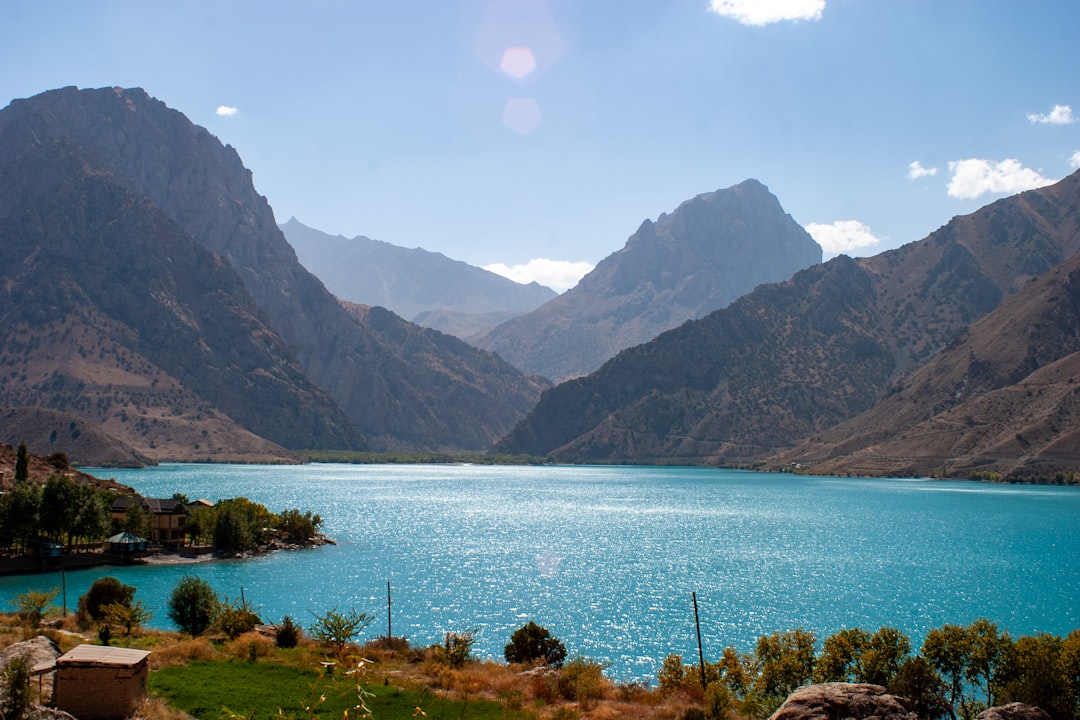
Tajikistan, a land of rugged mountains and pristine wilderness, offers an unparalleled experience for astrophiles and night sky photographers. Far from urban light pollution, its high-altitude landscapes provide some of the clearest, darkest skies on Earth, making it a prime destination for witnessing the Milky Way in all its glory. If you're searching for epic stargazing spots and breathtaking night photography locations, look no further than the heart of Central Asia.
Why Tajikistan is a Stargazer's Paradise
Tajikistan's unique geography and sparse population density contribute to its exceptional dark sky quality.
- High Altitudes: Much of the country lies above 2,000 meters, placing you closer to the stars and above significant atmospheric haze.
- Minimal Light Pollution: Vast areas are untouched by urban development, ensuring truly pristine dark skies.
- Clear, Dry Air: The continental climate, especially during summer and autumn, brings many nights of cloudless skies, ideal for celestial observation.
- Dramatic Landscapes: The towering peaks and serene lakes provide stunning foregrounds for astrophotography.
Top Stargazing & Night Photography Locations in Tajikistan
The Fann Mountains: Azure Lakes and Starry Peaks
Located in the western part of Tajikistan, the Fann Mountains are renowned for their stunning turquoise lakes and jagged peaks, creating postcard-perfect settings for night sky photography.
- Alp Lakes Area (e.g., Kulikalon Lakes, Allaudin Lakes): These high-altitude lakes reflect the star-studded sky, offering incredible compositions. Accessibility typically involves trekking or 4x4 vehicles. The crisp, clean air here ensures superb visibility.
- Seven Lakes (Haftkul): A chain of seven interconnected lakes, each with its unique charm. Camping near one of the upper lakes provides an excellent opportunity for uninterrupted celestial views.
The Pamir Mountains: The Roof of the World's Dark Skies
Known as "The Roof of the World," the Pamir Mountains in eastern Tajikistan are arguably the country's ultimate destination for extreme dark sky experiences. This remote region offers some of the planet's darkest skies.
- Murghab Region: As one of the highest towns in Central Asia, Murghab's surrounding plains offer an expansive canvas for the night sky. The sheer altitude (over 3,600m) guarantees astronomical clarity.
- Wakhan Valley: Bordering Afghanistan, this historic valley boasts not only incredible cultural heritage but also spectacular unobstructed views of the Milky Way, framed by dramatic peaks. The lack of artificial light sources makes it an astrophotographer's dream.
- Pamir Highway (M41): Driving the legendary Pamir Highway itself offers countless opportunities to pull over and capture the majestic night sky against the backdrop of towering ranges.
Lake Karakul: A Meteorite Lake Under the Stars
Nestled in the Pamir Mountains, Lake Karakul is a high-altitude impact crater lake, rumored to have been formed by a meteorite. Its desolate, otherworldly landscape combined with its elevation (around 3,900m) creates an incredibly unique setting for night sky observation.
- The vast, flat expanse around the lake minimizes light obstruction.
- The serene waters can reflect the starry firmament, adding depth to your photos.
- Local homestays offer a chance to experience traditional Pamiri hospitality under an unforgettable night sky.
Yagnob Valley: Isolated Beauty and Pristine Darkness
For those seeking a truly off-the-beaten-path experience, the Yagnob Valley offers profound isolation and some of Tajikistan's most pristine dark skies. Home to the descendants of the ancient Sogdians, this valley is a step back in time.
- Its remoteness ensures zero light pollution.
- The rugged terrain and traditional villages offer unique foreground elements for astrophotography.
Essential Tips for Your Tajik Stargazing Adventure
Preparation & Gear
- Warm Clothing: Even in summer, nights at high altitudes are extremely cold. Pack layers, a hat, gloves, and a warm sleeping bag if camping.
- Sturdy Footwear: Essential for navigating uneven terrain in the dark.
- Red Headlamp: Preserve your night vision and that of others.
- Camera Gear: A sturdy tripod, a wide-angle lens (f/2.8 or wider), extra batteries (cold drains them quickly), and a remote shutter release are crucial for night photography.
- Navigation: Offline maps (Maps.me, Gaia GPS) are vital as cell service is scarce.
- Permits: A GBAO permit is required for travel to the Pamir region. Obtain it in advance.
Photography Best Practices
- Manual Settings: Shoot in manual mode. Start with a wide aperture (e.g., f/2.8), high ISO (e.g., 3200-6400), and a shutter speed using the 500 rule (500 / focal length = max shutter speed to avoid star trails).
- Focusing: Manually focus to infinity. Use live view to zoom in on a bright star for precise focus.
- Composition: Look for interesting foregrounds – mountains, lakes, or traditional structures – to add depth and interest to your Milky Way shots.
Safety & Respect
- Altitude Sickness: Acclimatize gradually, stay hydrated, and be aware of symptoms. Some areas are extremely high.
- Local Culture: Respect local customs and traditions, especially when staying in villages or homestays.
- Leave No Trace: Pack out everything you pack in. Preserve the pristine environment.
Embark on Your Celestial Journey
Tajikistan is more than just a destination; it's an experience that connects you with the raw beauty of nature and the awe-inspiring grandeur of the cosmos. For serious stargazers and night sky photographers, the dark, clear skies above the Fann and Pamir Mountains offer an unparalleled opportunity to witness and capture the universe in its most spectacular form. Prepare for an adventure that will leave you with unforgettable memories and stunning images of the Tajik night sky.