Discover Rwanda's Rich History: Top Open-Air Museums You Must Visit
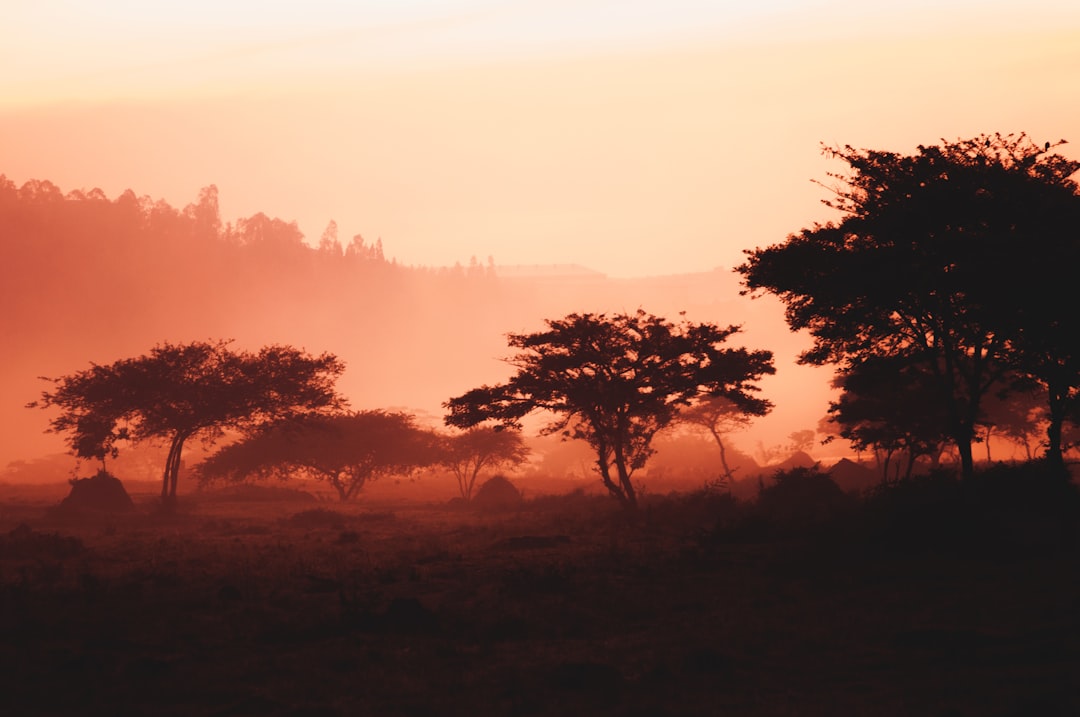
Rwanda, the Land of a Thousand Hills, is renowned for its breathtaking landscapes, incredible wildlife, and deeply moving history. Beyond the captivating gorilla treks and vibrant city life, lies a treasure trove of cultural heritage best explored through its open-air museums. These unique sites offer an immersive journey into the heart of Rwandan traditions, lifestyles, and royal history, allowing visitors to step back in time and connect intimately with the nation's past.
The Unique Appeal of Open-Air Museums
Unlike conventional indoor museums, open-air museums in Rwanda provide a dynamic and interactive experience. They are often living museums, featuring reconstructed traditional villages, demonstrations of ancient crafts, and engaging cultural performances. This format allows for a deeper understanding of:
- Traditional architecture and homestead layouts.
- Ancient customs and societal structures.
- Folk stories and oral traditions passed down through generations.
- Daily life and agricultural practices of pre-colonial Rwanda.
Top Open-Air Museums to Explore in Rwanda
King's Palace Museum (Rukari), Nyanza
Nestled in the picturesque town of Nyanza, the King's Palace Museum at Rukari offers a fascinating glimpse into Rwanda's monarchical past. This historical site is a meticulous reconstruction of a traditional royal palace, complete with the King's traditional dwelling (Rukari) and the iconic Inyambo cattle.
-
Highlights:
- Replicated Royal Residence: Explore the magnificent King's traditional straw house, an architectural marvel of its time, providing insights into the daily life of Rwandan royalty.
- Sacred Inyambo Cattle: Witness the impressive long-horned Inyambo cattle, descendants of the royal herd, known for their majestic appearance and ceremonial significance. You might even hear their handlers sing to them.
- Traditional Crafts: Discover various traditional tools, weapons, and household items, offering a comprehensive view of ancient Rwandan craftsmanship.
- Experience: A guided tour through the palace grounds vividly brings history to life, explaining the intricate social structures and rituals of the Rwandan kingdom.
Gorilla Guardians Village (Formerly Iby'Iwacu Cultural Village), Musanze
Located near the Volcanoes National Park, the Gorilla Guardians Village (previously known as Iby'Iwacu Cultural Village) provides an unparalleled immersive cultural experience. This community-based tourism initiative was established by former poachers who now serve as guardians of their culture and wildlife.
-
Highlights:
- Traditional Village Life: Participate in a day in the life of a traditional Rwandan, learning about subsistence farming, food preparation, and social customs.
- Engaging Performances: Be captivated by vibrant traditional dances, drumming, and singing, performed by local community members dressed in traditional attire.
- Craft Workshops: Learn about ancient crafts like basket weaving, pottery, and traditional medicine preparation.
- King's Palace Simulation: Experience a mock royal ceremony, where you can be crowned king or queen for a day.
- Impact: Visiting this village directly supports local communities, providing sustainable livelihoods and promoting wildlife conservation through cultural tourism.
Ethnographic Museum of Rwanda (Huye) – Open-Air Elements
While primarily an indoor museum, the Ethnographic Museum of Rwanda in Huye (formerly Butare) deserves a mention for its significant outdoor exhibits and grounds that complement its extensive indoor collection. It is considered one of the finest ethnographic museums in East Africa.
-
Outdoor Features:
- Traditional Rwandan Homestead: On its expansive grounds, visitors can explore a reconstructed traditional Rwandan homestead, showcasing different styles of huts and their arrangement.
- Agricultural Demonstrations: See demonstrations of traditional agricultural tools and practices.
- Craft Workshops: Occasionally hosts outdoor demonstrations of crafts like blacksmithing and basketry.
- Overview: The museum offers a comprehensive overview of Rwandan culture and history, from pre-colonial times to the modern era, through artifacts, photographs, and detailed explanations of social structures, economic activities, and beliefs. The outdoor components enrich the understanding of how these elements manifested in daily life.
Planning Your Visit to Rwanda's Open-Air Museums
To make the most of your cultural exploration:
- Guided Tours: Opt for a local guide at each museum; their insights provide invaluable context and personal stories.
- Cultural Sensitivity: Remember to be respectful of local customs and traditions. Ask before taking photos of people.
- Combine with Other Attractions: These museums are often strategically located near other major tourist attractions, making them easy to incorporate into a broader Rwanda itinerary. For instance, Gorilla Guardians Village is perfect after a gorilla trek.
- Support Local Artisans: Many sites have gift shops or local markets where you can purchase authentic Rwandan handicrafts, supporting the communities directly.
Experience Rwanda's Living History
Rwanda's open-air museums are more than just collections of artifacts; they are vibrant spaces where history comes alive, allowing visitors to witness, participate in, and appreciate the rich tapestry of Rwandan culture. By exploring these sites, you not only gain a deeper understanding of the nation's past but also contribute to the preservation of its invaluable heritage for future generations. Don't miss the chance to embark on this unique cultural journey on your next trip to Rwanda.