Discover Peru's Sacred Heartbeat: An Ultimate Guide to Religious Landmarks & Temples
Peru is a land woven with a rich tapestry of spiritual traditions, where ancient Inca beliefs intertwine with the profound influence of colonial Catholicism. From breathtaking mountain sanctuaries to awe-inspiring cathedrals, a journey through Peru's religious landmarks offers a deep dive into its soul. This guide will illuminate the most significant sacred sites and temples in Peru, inviting you to explore its enduring spiritual legacy.
Peru's Spiritual Tapestry: A Journey Through Time
Peru's spiritual history spans millennia, beginning with sophisticated pre-Columbian civilizations that worshipped natural deities, the sun, moon, and mountains (apus). The arrival of the Spanish in the 16th century introduced Catholicism, leading to a fascinating syncretism where new churches were often built atop ancient temples, and indigenous rituals sometimes blended with Christian practices. This unique fusion has created a diverse landscape of religious sites that are both historically significant and deeply moving.
Echoes of the Andes: Ancient Inca & Pre-Columbian Sacred Sites
Before the Spanish conquest, Peru was home to powerful empires, notably the Inca, whose spiritual beliefs were deeply connected to the cosmos and the natural world. Their sacred architecture often reflected astronomical alignments and reverence for earthly powers.
Coricancha: The Golden Temple of Cusco
Located in the heart of Cusco, Coricancha (or Qorikancha), meaning "Golden Enclosure," was the most important temple in the entire Inca Empire. Dedicated primarily to the sun god Inti, its walls were once covered in sheets of solid gold, and its courtyards were adorned with golden statues. Today, it stands as a powerful testament to Inca engineering and spirituality, with the Santo Domingo Convent built directly on its foundations, showcasing the remarkable blend of cultures.
Machu Picchu: Sanctuary in the Sky
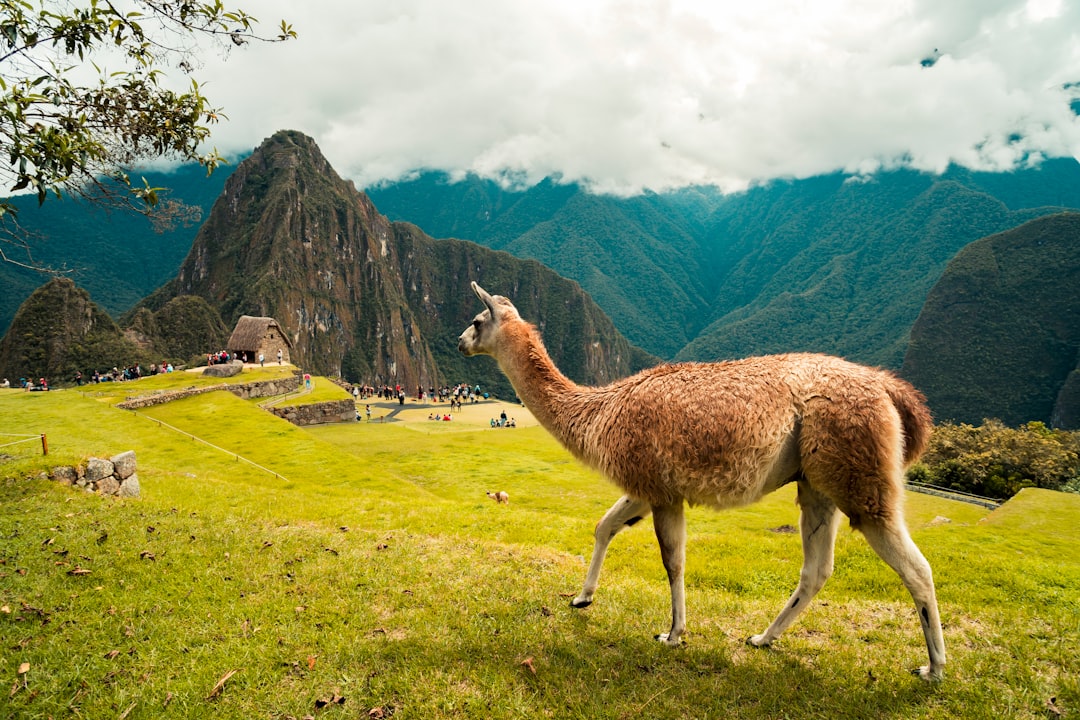
While often celebrated for its archaeological brilliance, Machu Picchu is undeniably a deeply spiritual site. Perched high in the Andes, this UNESCO World Heritage site served as an Inca citadel and is believed to have been a sacred ceremonial center. Its precise alignment with celestial events, its numerous temples (like the Temple of the Sun and the Temple of the Three Windows), and its tranquil energy resonate with profound spiritual significance, drawing pilgrims and visitors alike.
Sacsayhuaman: A Fortress of Faith
Overlooking Cusco, the colossal stone walls of Sacsayhuaman are an engineering marvel and a site of immense spiritual power. While often described as a fortress, it also functioned as a significant ceremonial center for the Incas, hosting important rituals and festivals. Its zig-zagging walls represent the teeth of a puma, a sacred animal, and its vast plazas once hosted thousands during religious celebrations.
Pachacamac: Ancient Coastal Oracle
Just south of Lima, the vast archaeological complex of Pachacamac was a revered pre-Inca pilgrimage site for over a millennium. Dedicated to the Pachacamac god (the "Earth Maker"), this coastal sanctuary featured numerous temples, palaces, and pyramids. Its oracle was consulted by diverse cultures long before the Incas arrived, making it a crucial religious landmark on Peru's coast.
Colonial Grandeur: Peru's Catholic Heritage
The arrival of the Spanish brought Catholicism to Peru, leading to the construction of magnificent churches, cathedrals, and monasteries that stand as enduring symbols of faith and colonial power.
Cusco Cathedral & Plaza de Armas Churches
The Cusco Cathedral, a grand example of colonial Baroque architecture, dominates the city's Plaza de Armas. Built on the foundations of an Inca palace, its interior is adorned with priceless artworks, including the famous "Last Supper" painting featuring a guinea pig. Surrounding the plaza are other notable churches like the Church of the Company of Jesus, each with its own rich history and artistic treasures.
Lima's San Francisco Monastery & Cathedral
In the bustling capital of Lima, the San Francisco Monastery is a captivating religious landmark known for its beautiful cloisters, impressive library, and chilling catacombs housing the remains of thousands. The Lima Cathedral, also located in the Plaza de Armas, is a stunning architectural masterpiece that houses the tomb of Francisco Pizarro and numerous valuable colonial artworks.
Santa Catalina Monastery: A City Within a City in Arequipa
Nestled in the "White City" of Arequipa, the Santa Catalina Monastery is a breathtaking 16th-century complex that feels like a city unto itself. With its vibrant red and blue walls, charming plazas, and narrow streets, this fully operational convent offers a unique glimpse into the cloistered life of Dominican nuns for centuries. It's an unparalleled architectural and spiritual experience.
Beyond the Mainstream: Other Spiritual Destinations
Peru's spiritual depth extends beyond these major sites, revealing hidden gems and unique practices.
- Nazca Lines: While their exact purpose remains debated, many theories suggest the enigmatic Nazca Lines were created for astronomical or religious purposes, perhaps as offerings to deities or as paths for spiritual processions. Viewing these geoglyphs from above offers a profound sense of ancient mystery.
- Qoyllur Rit'i Pilgrimage: This annual Inca-Catholic pilgrimage to the Sinakara Valley in the Andes is a powerful example of religious syncretism, attracting tens of thousands of pilgrims to worship the Lord of Qoyllur Rit'i and the sacred glaciers.
Planning Your Spiritual Journey: Tips for Exploring Peru's Sacred Sites
To make the most of your visit to Peru's religious landmarks and temples, consider these practical tips:
- Respect Local Customs: Dress modestly, especially when visiting active churches or indigenous communities. Be mindful of photography restrictions.
- Hire Local Guides: Knowledgeable guides can provide invaluable historical and spiritual context, enriching your understanding of each site.
- Altitude Acclimatization: Many significant sites (Cusco, Machu Picchu) are at high altitudes. Plan for acclimatization days to avoid altitude sickness.
- Best Time to Visit: The dry season (May to October) offers excellent weather for exploration, though sites can be more crowded.
- Combine Experiences: Consider linking your spiritual journey with cultural tours or trekking adventures to fully appreciate Peru's diverse offerings.
Experience Peru's Enduring Spirituality
Peru offers an unparalleled journey into the heart of ancient civilizations and enduring faith. From the sun-kissed stones of Inca temples to the ornate altars of colonial cathedrals, each religious landmark tells a story of devotion, transformation, and the persistent human quest for the divine. Embark on this spiritual adventure and discover the profound sacred sites that define Peru's unique identity.