Discover Pakistan's Spiritual Heritage: A Guide to Ancient Temples & Sacred Landmarks
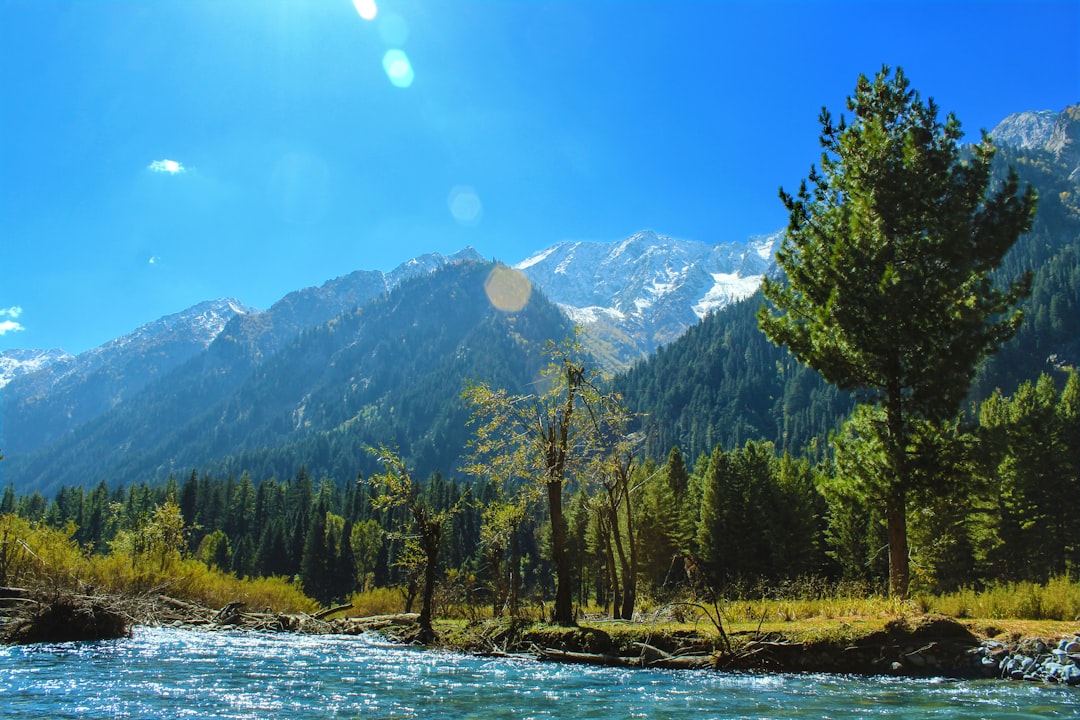
Pakistan, a land often highlighted for its natural beauty and vibrant culture, also holds a deeply rich spiritual heritage. Beyond the majestic mountains and bustling bazaars, this nation is a custodian of ancient religious landmarks, including historic Hindu temples, sacred Sikh gurdwaras, and awe-inspiring Buddhist monastic sites, alongside revered Sufi shrines. Exploring these sites offers a profound journey into Pakistan's diverse past and the enduring spirit of its people.
Unearthing Ancient Hindu Temples
The Indus Valley Civilization, one of the world's oldest, laid the groundwork for many faiths, including Hinduism, in this region. Pakistan is home to several significant Hindu temples that continue to draw devotees and history enthusiasts alike.
Shri Swaminarayan Mandir, Karachi
Located in the heart of Karachi, this temple stands as a testament to the city's multicultural fabric. Built in 1849, it's one of the few active temples in Pakistan, serving as a vibrant hub for the Hindu community and a symbol of religious coexistence. Its intricate architecture and peaceful ambiance make it a notable landmark.
Katas Raj Temples, Chakwal
Often referred to as Qila Katas, this complex of ancient temples in Chakwal, Punjab, is perhaps the most famous Hindu pilgrimage site in Pakistan. The temples are built around a sacred pond believed by Hindus to have been created from the teardrops of Lord Shiva. The site features several smaller temples, a Buddhist stupa, and a haveli (mansion) from the Sikh era, showcasing a blend of architectural styles and centuries of history.
Hinglaj Mata Mandir, Balochistan
Deep within the Hingol National Park in Balochistan lies the Hinglaj Mata Mandir, a highly revered pilgrimage site for Hindus. Dedicated to the goddess Sati, it is one of the 51 Shakti Peeths in the Hindu faith. The remote and rugged journey to the temple, through mud volcanoes and desert landscapes, adds to its mystical appeal, attracting thousands of pilgrims annually.
The Sikh Legacy: Revered Gurdwaras
Pakistan holds immense spiritual significance for the Sikh community worldwide, as it is the birthplace of Sikhism's founder, Guru Nanak Dev Ji. The country is dotted with several sacred gurdwaras, pilgrimage sites that draw Sikhs from across the globe.
Gurdwara Janam Asthan, Nankana Sahib
This is undoubtedly the most paramount Sikh holy site in Pakistan, marking the birthplace of Guru Nanak Dev Ji. Located in Nankana Sahib, Punjab, the gurdwara is a grand and spiritually charged complex, attracting hundreds of thousands of pilgrims, especially during Guru Nanak's birth anniversary celebrations.
Gurdwara Dera Sahib, Lahore
Situated near the Lahore Fort, this historic gurdwara commemorates the martyrdom of Guru Arjan Dev Ji, the fifth Sikh Guru. Its golden dome and serene architecture make it a prominent landmark in Lahore, a symbol of Sikh resilience and faith.
Gurdwara Panja Sahib, Hasan Abdal
Located in Hasan Abdal, Panja Sahib is renowned for a sacred rock believed to bear the handprint of Guru Nanak Dev Ji. The gurdwara is a beautiful and spiritual place, attracting pilgrims who come to witness this miraculous impression and partake in religious ceremonies.
Echoes of the Past: Ancient Buddhist Sites
Long before the arrival of Islam, the region now known as Pakistan was a flourishing center of Buddhism, home to the Gandhara civilization. The remnants of this glorious past are preserved in spectacular archaeological sites.
Taxila: A UNESCO World Heritage Site
Taxila, near Islamabad, is an archaeological marvel that served as a major center for Buddhist learning and art. A UNESCO World Heritage site, it boasts numerous monasteries, stupas, and ancient cities, including:
- The Dharmarajika Stupa: One of the largest and oldest stupas, believed to house relics of the Buddha.
- Julian Monastery: A well-preserved monastic complex offering insights into daily monastic life.
- The ancient city ruins of Sirkap and Bhir Mound, showcasing urban planning from centuries ago.
Takht-i-Bahi
Another UNESCO World Heritage site, Takht-i-Bahi (Throne of Origins) is an exceptionally well-preserved monastic complex dating back to the 1st century BCE. Perched on a hillside in Mardan, Khyber Pakhtunkhwa, its layout provides a comprehensive understanding of Buddhist monastic architecture and its spiritual significance.
The Heart of Islamic Mysticism: Revered Sufi Shrines
Sufism, the mystical dimension of Islam, has a deep and profound influence on Pakistan's cultural and spiritual landscape. The shrines of Sufi saints are places of spiritual solace, interfaith harmony, and vibrant cultural traditions.
Data Darbar, Lahore
The shrine of Syed Ali Hujwiri, popularly known as Data Ganj Bakhsh, is one of the oldest and most revered Sufi shrines in South Asia. Thousands of devotees, irrespective of their faith, visit Data Darbar daily in Lahore, seeking blessings and spiritual guidance. It's a place where devotional music (Qawwali) and communal meals (Langar) are central to the experience.
Shah Rukn-e-Alam, Multan
The mausoleum of Shah Rukn-e-Alam in Multan is an architectural masterpiece from the 14th century. Adorned with stunning blue glazed tiles, it stands as a prominent example of Multani architectural style and is a significant pilgrimage site for Sufi followers.
Lal Shahbaz Qalandar, Sehwan Sharif
The shrine of Lal Shahbaz Qalandar in Sehwan Sharif, Sindh, is a beacon of mystical traditions and cultural expression. Famous for its vibrant Dhamal ritual (a spiritual dance), it attracts millions of devotees who celebrate the saint's teachings of love, tolerance, and ecstasy.
Why Explore Pakistan's Sacred Sites?
Visiting these religious landmarks offers more than just sightseeing; it's an opportunity for:
- Cultural Immersion: Witness the unique blend of traditions, rituals, and local customs.
- Historical Significance: Step back in time and connect with millennia of human history and faith.
- Architectural Marvels: Admire the diverse and intricate craftsmanship that spans centuries.
- Spiritual Journey: Experience a sense of peace, reflection, and connection in these holy places.
Tips for a Respectful Visit
When exploring these sacred sites, remember to:
- Dress Modestly: Cover your head and shoulders, especially in shrines and temples.
- Seek Permission: Before taking photographs inside worship areas.
- Engage with Locals: They can offer profound insights into the history and significance of the sites.
- Travel Responsibly: Support local economies and respect environmental guidelines.
Pakistan's religious landmarks are more than just buildings; they are living testaments to its diverse spiritual legacy. They invite travelers to delve deeper into its history, culture, and the enduring human quest for faith and meaning.