Discover Pakistan's Majestic Castles & Fortresses: A Journey Through History
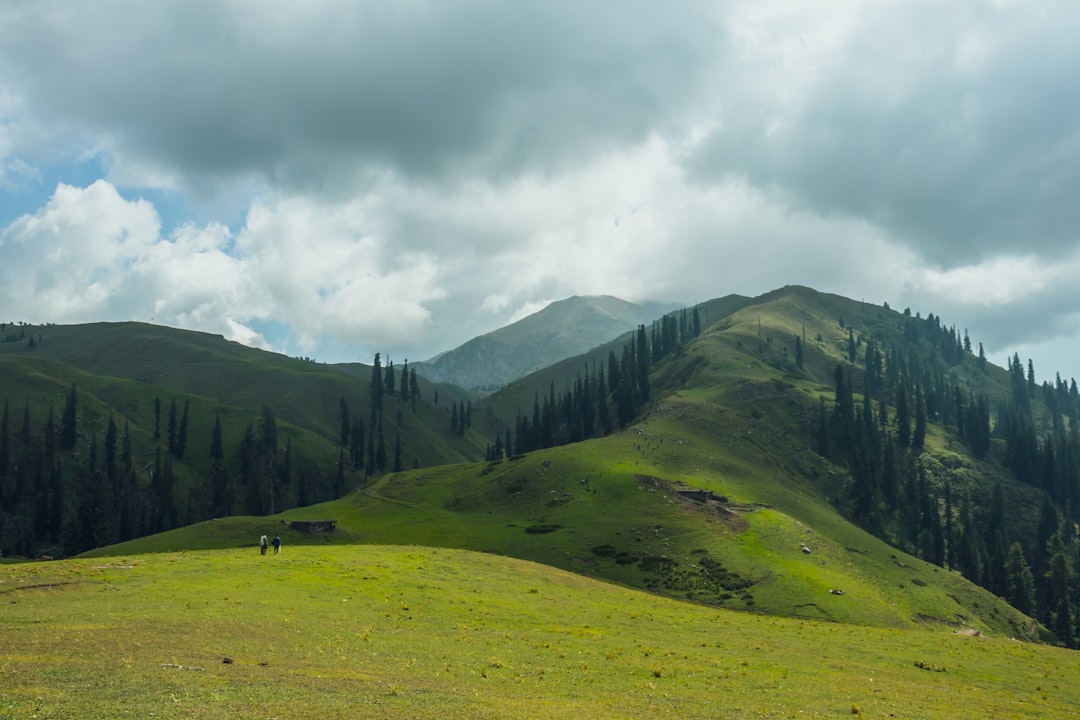
Pakistan, a land steeped in ancient history and diverse cultures, boasts an incredible array of castles and fortresses that stand as silent witnesses to centuries of empires, battles, and architectural prowess. From the mighty Mughal strongholds to the enigmatic desert fortifications, these structures offer a fascinating glimpse into the nation's rich past. Join us as we explore some of the best castles and fortresses in Pakistan, uncovering their historical significance, architectural marvels, and the captivating stories they tell.
Iconic Forts of Punjab
Punjab, the heartland of Pakistan, is home to several monumental forts that showcase rich historical narratives.
Lahore Fort (Shahi Qila)
- Location: Lahore, Punjab.
- Historical Significance: A UNESCO World Heritage Site, the Lahore Fort is a citadel with roots dating back over a millennium, though its current grandeur largely reflects the Mughal era. It served as the imperial residence for various Mughal emperors and later Sikh rulers, witnessing crucial historical events.
- Architectural Marvels: A sprawling complex showcasing diverse architectural styles, including the exquisite Sheesh Mahal (Palace of Mirrors), the elegant Naulakha Pavilion, and the grand Alamgiri Gate. Its intricate tile work, vibrant frescos, and majestic halls are a testament to Mughal artistry and design.
- Visitor Experience: A must-visit for history enthusiasts, offering a deep dive into Mughal culture and stunning photographic opportunities amidst meticulously preserved structures.
Rohtas Fort
- Location: Near Jhelum, Punjab.
- Historical Significance: Another UNESCO World Heritage Site, Rohtas Fort was built by Sher Shah Suri in the 16th century. Its primary purpose was to subdue rebellious local tribes and prevent the return of the Mughal emperor Humayun. Remarkably, this massive fortress never fell by force.
- Architectural Marvels: One of the largest and most formidable forts in the subcontinent, known for its massive defensive walls, numerous impressive gates (e.g., Sohail Gate, Shah Chandwali Gate), and robust bastions. Its military architecture is exceptionally well-preserved, showcasing advanced strategic planning.
- Visitor Experience: Explore the vast ramparts, discover hidden passages, and enjoy panoramic views of the surrounding landscape from its imposing battlements.
Derawar Fort
- Location: Cholistan Desert, Punjab.
- Historical Significance: A magnificent square fortress located deep within the Cholistan Desert, Derawar Fort was originally built by Rai Jajja Bhatti in the 9th century and impressively rebuilt in the 18th century by the Nawab of Bahawalpur. It symbolizes the grandeur and strategic importance of the princely state in a desolate region.
- Architectural Marvels: Its forty imposing, identically designed bastions rise majestically from the desert floor, visible for miles across the flat expanse. The intricately designed entrance and inner palace areas reflect exquisite craftsmanship in an isolated setting.
- Visitor Experience: Reaching this remote wonder typically requires a 4x4 vehicle, offering an adventurous journey to a truly breathtaking and unique historical site that stands as a sentinel of the desert.
The Mysterious Giants of Sindh
Ranikot Fort ("The Great Wall of Sindh")
- Location: Jamshoro District, Sindh.
- Historical Significance: Often hailed as "The Great Wall of Sindh," Ranikot Fort is one of the largest forts in the world by circumference, though its exact origin and purpose remain somewhat a mystery. Some theories suggest it was built by the Sassanids, Scythians, or even local Talpur rulers centuries ago, making it a subject of ongoing archaeological debate.
- Architectural Marvels: With an astounding circumference of approximately 32 kilometers (20 miles), its massive stone walls snake over hills and valleys, creating an unparalleled defensive barrier. Features include several impressive gates (e.g., Sann Gate, Amri Gate) and smaller forts strategically placed within its perimeter.
- Visitor Experience: Its sheer scale is awe-inspiring, offering a unique opportunity to explore an ancient, colossal structure amidst rugged, untamed terrain, inviting curiosity about its builders and purpose.
Mountain Strongholds of the North
Baltit Fort & Altit Fort
- Location: Hunza Valley, Gilgit-Baltistan.
- Historical Significance: These ancient forts, perched dramatically on cliffs overlooking the Hunza Valley, served as the residences of the Mir of Hunza for centuries. Baltit Fort dates back over 700 years, while Altit Fort is even older, believed to be around 1,100 years old. They represent the rich cultural heritage and resilience of the region's people.
- Architectural Marvels: Built with local materials like stone, wood, and mud, these forts showcase traditional Tibetan architectural influence and sophisticated defensive strategies adapted to mountainous terrain. Both are now beautifully restored museums, preserving their heritage.
- Visitor Experience: Offers incredible insights into the royal history of Hunza, coupled with breathtaking panoramic views of the valley, the majestic Rakaposhi peak, and a glimpse into traditional mountain community life.
Other Notable Fortifications
Attock Fort
- Location: Attock Khurd, Punjab (strategically located on the Indus River).
- Historical Significance: Built by the great Mughal Emperor Akbar in the late 16th century, Attock Fort strategically guarded the main crossing point over the Indus River, controlling vital trade routes and military movements between Central Asia and the Indian subcontinent.
- Architectural Marvels: A formidable structure with impressive battlements, robust walls, and several gates, designed to withstand powerful attacks and control access to the river. Its location offers stunning views of the confluence of the Indus and Kabul rivers.
- Visitor Experience: While partially under military control, sections are accessible and offer a compelling glimpse into Mughal defensive architecture and the region's enduring strategic importance.
Conclusion
Pakistan's castles and fortresses are more than just ancient ruins; they are powerful symbols of resilience, artistry, and the intricate tapestry of human history. From the bustling streets of Lahore to the silent expanses of the Cholistan Desert and the majestic peaks of Hunza, these historical sites beckon travelers to explore their storied past. Embark on a journey to discover these architectural treasures and witness the enduring legacy of empires that once ruled this fascinating land.