Discover Oman's Avian Wonders: The Ultimate Guide to Bird Watching in Oman
Why Oman is a Birder's Paradise
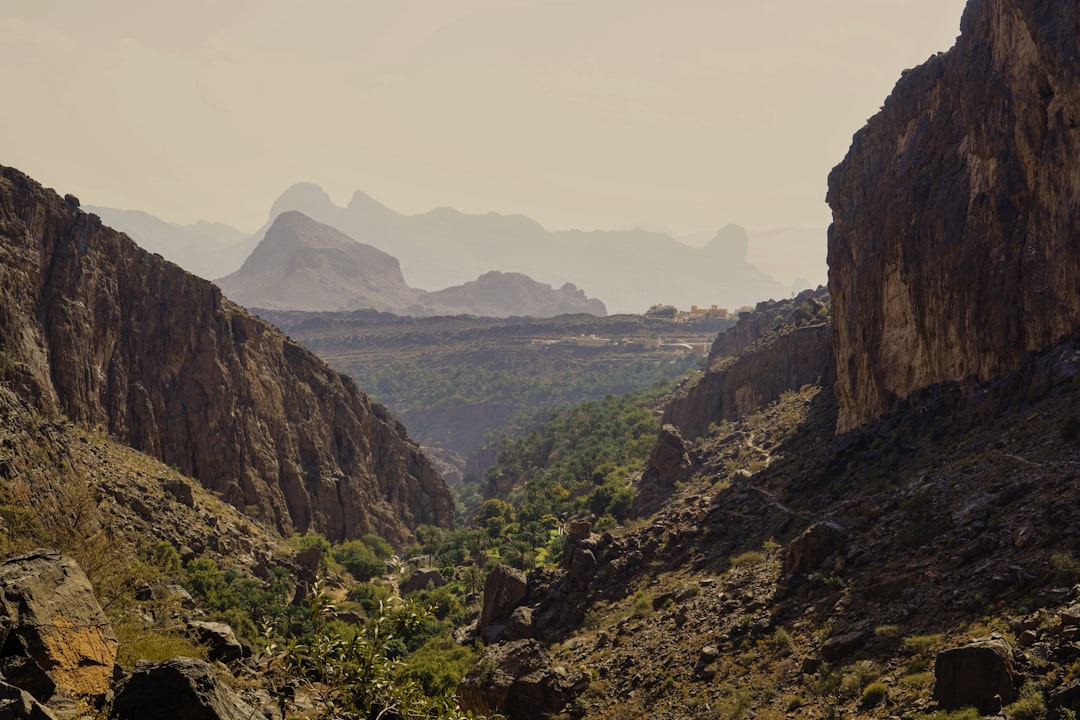
Oman, a jewel on the Arabian Peninsula, is rapidly gaining recognition as a premier bird watching destination. Its strategic location along major migratory flyways, coupled with an astonishing array of habitats from pristine coastlines and vast deserts to lush wadis and towering mountains, makes it a haven for both resident and migratory birds. Whether you're a seasoned ornithologist or a casual observer, Oman offers an unparalleled opportunity to witness a spectacular diversity of avian species.
Top Bird Watching Locations in Oman
Explore these iconic spots to maximize your birding experience in Oman:
1. Al Ansab Wetlands (Muscat Governorate)
Just a short drive from Muscat, the Al Ansab Wetlands are a testament to successful environmental rehabilitation. Once a wastewater treatment plant, it's now a thriving ecosystem brimming with life.
- Key Species: Expect to see a wide variety of waterbirds like Greater Flamingos, various species of ducks, herons, egrets, and numerous waders. It's also excellent for raptors and passerines during migration.
- Accessibility: Easily accessible, well-maintained paths.
- Best Time: Year-round, but especially vibrant during winter migration (October to March).
2. Barr Al Hikman (Al Wusta Governorate)
An internationally recognized Important Bird Area (IBA) and Ramsar site, Barr Al Hikman is a truly wild and breathtaking spectacle. This vast coastal wetland complex is arguably the most important site for migratory waders in the entire Middle East.
- Key Species: Millions of shorebirds including Broad-billed Sandpipers, Greater Sand Plovers, Terek Sandpipers, Crab Plovers, and immense flocks of flamingos. Rare gulls and terns are also common.
- Experience: A remote, rugged experience; 4x4 vehicle recommended.
- Best Time: Winter migration (October to April) for peak numbers.
3. Salalah Region and Dhofar Governorate
The south of Oman, particularly the Dhofar region around Salalah, offers a distinct Afro-tropical avifauna due to its unique monsoon (Khareef) climate.
-
Key Sites:
- Khawr Salalah: A series of coastal lagoons (East Khawr, West Khawr) attracting waders, terns, and various African migrants.
- Wadis: Wadi Darbat, Wadi Ayn, and Wadi Sahalnoot provide lush, tree-lined habitats for unique species.
- Mountain Slopes: Explore the hills for raptors and dryland specialists.
- Key Species: Look out for the African Paradise Flycatcher, Shining Sunbird, Yellow-billed Kite, Arabian Wheatear, and various raptors.
- Best Time: Post-Khareef season (September to November) for migrants, and year-round for residents.
4. Al Hajar Mountains (Northern Oman)
Ascend into the majestic Al Hajar Mountains for a completely different birding experience. From the dramatic cliffs of Jabal Shams to the terraced landscapes of Jabal Akhdar, these mountains are home to specialized high-altitude species.
- Key Sites: Wadi Ghul, Jabal Shams, Jabal Akhdar and surrounding valleys.
- Key Species: Keep an eye out for Egyptian Vultures, Griffon Vultures, Bonelli's Eagles, Lappet-faced Vultures, Plain Leaf Warblers, and Desert Larks.
- Best Time: Cooler months (October to April) for pleasant conditions.
5. Ad Dimaniyat Islands Nature Reserve
For those interested in seabirds and island ecology, a boat trip to the Ad Dimaniyat Islands is a must. This protected reserve is a vital breeding ground.
- Key Species: Large colonies of Bridled Terns, Swift Terns, Lesser Crested Terns, and various gulls. Pelagic species can be seen en route.
- Experience: Requires a boat tour from Muscat; check permit requirements.
- Best Time: Breeding season (late spring/summer) for nesting birds, or during migration.
Essential Tips for Bird Watching in Oman
To make your Oman birding trip successful and enjoyable:
- Best Season: The migration periods (autumn: September-November; spring: March-May) and winter (October-March) offer the highest diversity and numbers.
- Gear Up: Bring good quality binoculars, a spotting scope, and a reliable field guide specific to the Arabian Peninsula.
- Respect Nature: Maintain a respectful distance from birds and their habitats. Leave no trace.
- Hydration & Protection: Oman's climate can be hot; carry plenty of water, wear a hat, and use sunscreen.
- Local Expertise: Consider hiring a local birding guide for deeper insights and access to less-known spots.
Plan Your Oman Birding Adventure
Oman stands as an undiscovered treasure for the global birdwatching community. Its rich biodiversity, stunning landscapes, and welcoming culture create an unforgettable avian adventure. From the bustling wetlands to the serene mountain peaks, every corner of Oman promises a unique encounter with its remarkable birdlife. Start planning your Oman bird watching tour today and prepare to be amazed!