Discover Norway's UNESCO World Heritage Sites: A Journey Through History & Nature
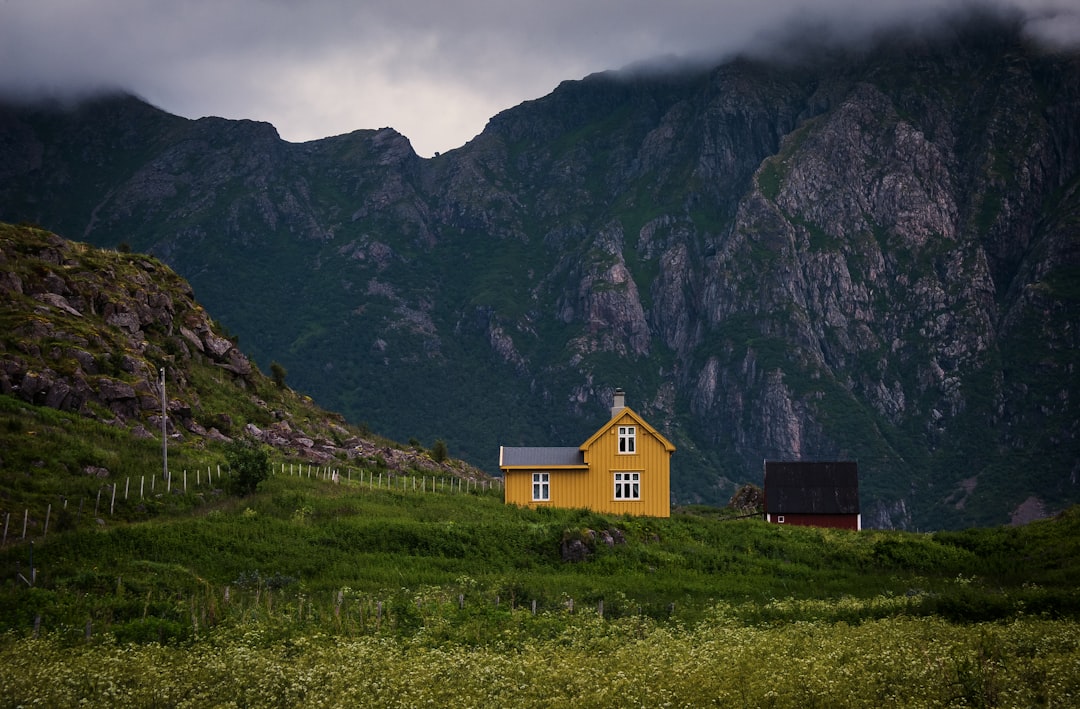
Norway, a land of unparalleled natural beauty and rich cultural heritage, is home to a magnificent collection of UNESCO World Heritage Sites. These sites, recognized for their outstanding universal value, offer a captivating glimpse into the nation's past, its pioneering spirit, and its breathtaking landscapes. From ancient stave churches to dramatic fjords and industrial marvels, exploring Norway's UNESCO treasures is an unforgettable adventure for any traveler.
Iconic Cultural Treasures of Norway
Norway's cultural heritage sites tell stories of human ingenuity, tradition, and resilience against the backdrop of its unique environment.
Bryggen, Bergen: A Hanseatic Legacy
Step back in time at Bryggen, the historic wharf of Bergen. This iconic row of colorful wooden houses represents the city's role as a vital trading hub for the Hanseatic League from the 14th to the mid-16th century. Despite numerous fires, Bryggen has been rebuilt in the traditional manner, preserving its medieval structure and demonstrating an exceptional example of a traditional northern European trading settlement. Its narrow alleyways and historic buildings evoke the bustling atmosphere of its mercantile past.
Urnes Stave Church: A Medieval Masterpiece
Nestled on the shores of the Lustrafjord, Urnes Stave Church is the oldest of Norway's remaining stave churches, dating back to the 12th century. This architectural marvel showcases a unique blend of Viking art traditions and early Christian influences, making it an extraordinary example of Scandinavian wooden architecture. Its intricate carvings, depicting mythical creatures and intertwining patterns, are a testament to the sophisticated craftsmanship of the era and offer insights into a pivotal period in Norwegian history.
Røros Mining Town and the Circumference: Industrial Heritage
Røros Mining Town is a captivating example of a sustainable, traditional copper mining town that operated for 333 years, from 1644 to 1977. Its well-preserved wooden buildings and distinct urban plan reflect its adaptation to the harsh climate and its specialized function. The "Circumference" refers to the area granted to the mining company, which provided rights to resources essential for the town's survival. Røros offers a unique perspective on industrial heritage and how a community thrived in isolation based on its mining operations.
Rock Art of Alta: Prehistoric Narratives
The Rock Art of Alta constitutes the largest collection of petroglyphs in Northern Europe, depicting human activity over thousands of years, from around 4200 BC to 500 BC. Carved into rock surfaces, these images provide invaluable insights into the lives, beliefs, and environment of ancient hunter-gatherers in the Arctic region. The detailed portrayals of animals, hunting scenes, rituals, and daily life offer a vivid window into a prehistoric world, making it a crucial archaeological site.
Vegaøyan – The Vega Archipelago: Living Cultural Landscape
The Vega Archipelago is an extraordinary cultural landscape illustrating how generations of fishermen and farmers have maintained a sustainable livelihood in an exposed coastal environment just south of the Arctic Circle. The unique practice of harvesting down from semi-domesticated eider ducks has shaped this community for over 1,500 years. The archipelago, with its hundreds of islands, reflects a harmonious interaction between humans and nature, showcasing a distinctive form of resource management and a living tradition.
Rjukan–Notodden Industrial Heritage Site: Pioneering Industry
The Rjukan–Notodden Industrial Heritage Site represents a world-leading industrial complex established in the early 20th century to produce artificial fertilizer using hydroelectric power. It exemplifies the second industrial revolution and Norway's role in pioneering new industrial methods. The site includes power plants, factories, transportation systems, and company towns, all demonstrating the incredible scale and social impact of this innovative industry. It's also famous for its role in the "heavy water" sabotage during World War II.
Breathtaking Natural Wonders
Norway's natural heritage sites are renowned for their majestic beauty and pristine ecological value.
West Norwegian Fjords – Geirangerfjord and Nærøyfjord: Nature's Masterpiece
The West Norwegian Fjords – specifically the Geirangerfjord and Nærøyfjord – are iconic natural landscapes that represent the classical fjord scenery of Norway. Characterized by sheer crystal-clear rock walls rising thousands of feet from the sea, cascading waterfalls, and lush greenery, these fjords are among the most visually stunning examples of active geological processes. Their exceptional natural beauty, combined with their pristine and largely uninhabited nature, makes them a vital testament to glacially carved landscapes.
The Global Connection: Struve Geodetic Arc
Some UNESCO sites bridge national borders, celebrating international cooperation in science and exploration.
Struve Geodetic Arc: A Scientific Endeavor
The Struve Geodetic Arc is a transnational World Heritage Site, a chain of survey triangulation points stretching over 2,820 km through ten countries, from Hammerfest in Norway to the Black Sea. Created by the German-Russian astronomer Friedrich Georg Wilhelm von Struve between 1816 and 1855, its purpose was to accurately measure the Earth's shape and size. It represents an extraordinary example of scientific collaboration and technological achievement, with four of its original 34 points located in Norway.
Exploring Norway's UNESCO World Heritage Sites offers more than just sightseeing; it's an immersive journey into the heart of its history, culture, and magnificent natural world. Each site tells a compelling story, inviting visitors to connect with the past and marvel at the enduring legacy of this remarkable nation. Plan your trip and experience these invaluable treasures firsthand!