Discover Jordan's Sacred Legacy: A Guide to Ancient Temples & Holy Sites
Jordan, a land steeped in millennia of history, stands as a profound crossroads of civilizations and a cradle for the world's great monotheistic religions. Journey through a landscape walked by prophets, apostles, and ancient kings, where every stone tells a story of faith, devotion, and monumental human endeavor. This guide invites you to explore Jordan's rich tapestry of religious landmarks and ancient temples, offering an unparalleled spiritual and historical adventure for visitors of all backgrounds.
Christian Pilgrimage: Tracing the Footsteps of Christ and Prophets
For Christians, Jordan holds immense significance, boasting sites directly linked to biblical narratives and the early spread of Christianity.
Bethany Beyond the Jordan (Al-Maghtas)
Recognized as a UNESCO World Heritage site, Bethany Beyond the Jordan is reverently identified as the authentic site where Jesus Christ was baptized by John the Baptist. This sacred area on the east bank of the Jordan River features churches, caves, and ancient baptismal pools, making it a powerful destination for pilgrims worldwide.
Mount Nebo
From the summit of Mount Nebo, pilgrims can gaze upon a breathtaking panoramic vista of the Holy Land, including Jericho and the Jordan Valley. This is the hallowed site where Moses is said to have viewed the Promised Land before his death. The modern memorial church houses remarkably preserved Byzantine mosaic floors from the 4th and 6th centuries, depicting scenes of hunting and daily life.
Madaba: The City of Mosaics
Often called "The City of Mosaics," Madaba is famous for its exquisite Byzantine and Umayyad mosaics. The crown jewel is the 6th-century Madaba Mosaic Map, housed in St. George's Church. This intricate masterpiece is the oldest preserved mosaic map of the Holy Land and illustrates Jerusalem and other biblical sites. Numerous other churches in Madaba also showcase stunning mosaic artistry.
Umm Qais (Ancient Gadara)
Perched atop a hill with commanding views, Umm Qais (ancient Gadara) is not only a splendid Roman ruin but also holds biblical association with Jesus' miracle of the Gerasene demoniacs. Visitors can explore its Roman theatres, basilicas, and the remnants of early Christian churches.
Islamic Heritage: Shrines and Sacred Spaces
Jordan's landscape is dotted with sites vital to Islamic history, honoring revered figures and marking the early expansion of Islam.
Tombs of the Companions of the Prophet
Jordan is home to several sacred shrines dedicated to prominent Companions of Prophet Muhammad. These sites, particularly in the south, include the tombs of figures such as Zayd ibn Harithah, Ja'far ibn Abi Talib, and Abdullah ibn Rawahah. These locations serve as significant places of pilgrimage and remembrance for Muslims globally, representing the valor and devotion of early Islamic heroes.
Ancient Mosques and Fortresses
While less numerous than explicitly designated pilgrimage sites like in other Islamic countries, Jordan's historical sites feature important Islamic architectural elements. The Amman Citadel, for instance, showcases the Umayyad Palace complex, which includes a mosque and administrative buildings from the early Islamic period. Furthermore, Ajloun Castle, a 12th-century fortress, stands as a powerful example of Ayyubid military architecture built to protect trade routes and repel Crusaders.
Ancient Spiritual Hubs: Petra and Beyond
Beyond the primary Abrahamic faiths, Jordan's past reveals a rich history of ancient spiritual practices, evident in its majestic archaeological sites.
Petra: The Rose-Red City
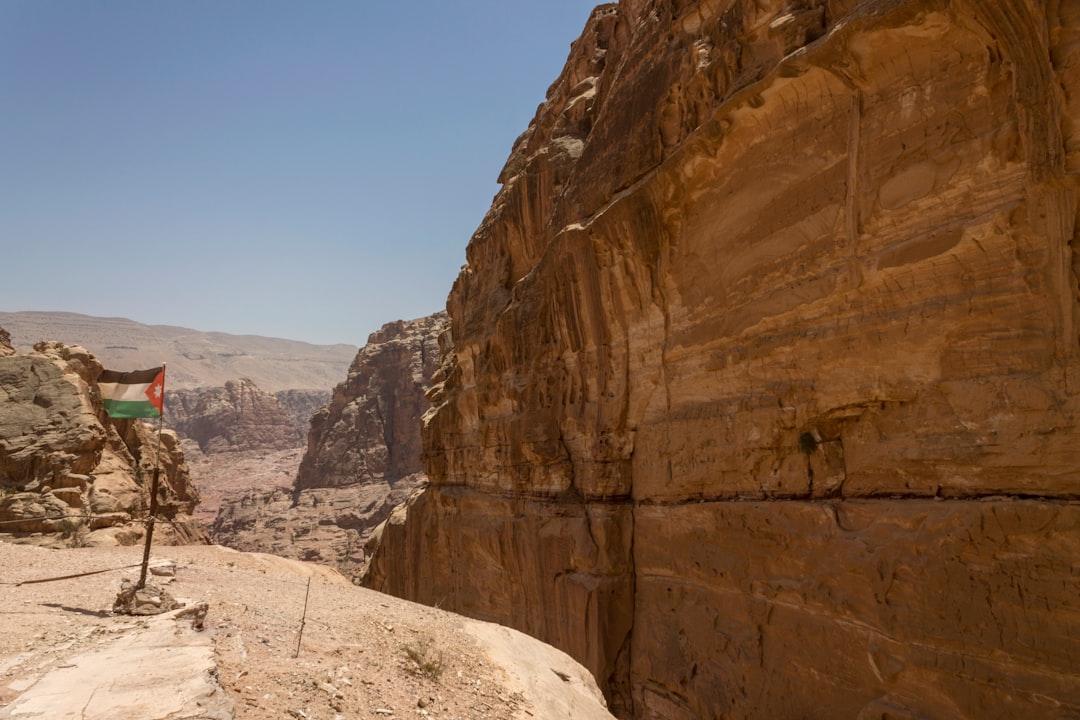
The iconic Petra, a UNESCO World Heritage site and one of the New Seven Wonders of the World, is far more than just a city of rock-cut facades. It was the vibrant spiritual heart of the Nabataean civilization. Within its dramatic sandstone canyons, visitors can discover numerous temples, high places of sacrifice (like the High Place of Sacrifice atop Jebel al-Madhbah), and elaborate tomb complexes that functioned as places of worship and remembrance. Later, a Byzantine church was also established within the city, highlighting its layered religious history.
Jerash: The City of a Thousand Pillars
The remarkably preserved Roman city of Jerash boasts an impressive collection of ancient temples dedicated to Roman deities such as Artemis and Zeus. Walking through its grand colonnaded streets and past its theatres, one can also find the ruins of several early Christian churches adorned with intricate mosaic floors, reflecting the transition of religious practices during the Byzantine era.
Umm al-Jimal
In northern Jordan, the basalt city of Umm al-Jimal offers a unique glimpse into ancient life. Known for its remarkably preserved Byzantine churches alongside Roman and Nabataean structures, it provides invaluable insight into the architectural and community life of early Christian settlements in the region.
Planning Your Sacred Journey to Jordan
Embarking on a journey to Jordan's religious and ancient sites is an unforgettable experience. Here are some practical tips to enhance your visit:
- Best Time to Visit: The spring (March-May) and autumn (September-November) months offer pleasant weather, ideal for exploring outdoor sites.
- Respectful Attire: When visiting religious sites, especially mosques and churches, it's essential to dress modestly. This typically means covering your shoulders and knees. Women may be asked to wear a headscarf when entering mosques.
- Guided Tours: Consider hiring a knowledgeable local guide. Their expertise can bring the history and religious significance of these sites to life, offering deeper context and insights.
- Accommodation: Jordan offers a range of accommodation options, from luxurious hotels to budget-friendly guesthouses, often conveniently located near major attractions.
- Local Culture: Embrace the famed Jordanian hospitality. Learning a few basic Arabic phrases can also enrich your interactions with locals.
Jordan truly offers a profound journey through faith and history. From the banks of the Jordan River to the towering temples of Petra, its religious landmarks and ancient temples invite you to connect with millennia of spiritual heritage, promising a deeply moving and enriching travel experience.