Discover Hungary's Underwater Wonders: Top Snorkeling & Diving Spots
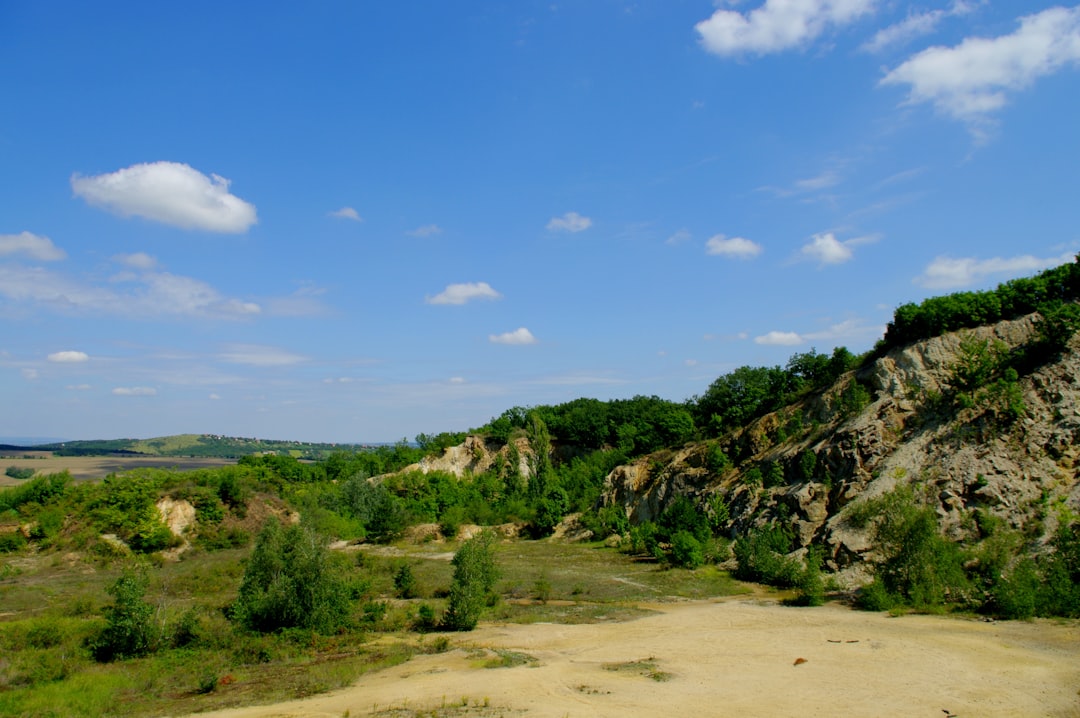
While often celebrated for its vibrant cities, thermal baths, and rich history, Hungary might surprise you with its hidden underwater world. A landlocked country, it offers a unique freshwater diving and snorkeling experience unlike typical ocean adventures. From expansive lakes to fascinating flooded mines and even geothermal caves, Hungary presents a surprising array of opportunities for aquatic exploration.
Why Dive and Snorkel in Hungary?
Hungary's freshwater environments provide a distinct charm for divers and snorkelers. You won't find coral reefs, but you will encounter:
- Crystal-Clear Waters: Many Hungarian dive sites, especially former mine lakes, boast exceptional visibility.
- Unique Ecosystems: Freshwater flora and fauna offer a different kind of biodiversity, including various fish species, crustaceans, and aquatic plants.
- Historical Insights: Some sites hide sunken relics, from ancient trees to submerged structures, offering a glimpse into the past.
- Accessible Training Grounds: With varying depths and conditions, Hungary's lakes are excellent for dive training and skill development.
- Year-Round Potential: While summer is ideal, dedicated divers explore these sites throughout the year with appropriate gear.
Top Snorkeling & Diving Locations in Hungary
Hungary's diverse aquatic landscapes mean there's something for every level of explorer.
Lake Balaton: The Hungarian Sea
As Central Europe's largest freshwater lake, Lake Balaton is often called the "Hungarian Sea." It's an excellent location for both beginner snorkelers and recreational divers.
- Shallow Depths: Ideal for snorkeling and introductory dives, especially around the Tihany Peninsula.
- Unique Biodiversity: Explore areas rich in freshwater fish like pike-perch and various carp species, along with diverse aquatic vegetation.
- Wreck Diving: While not large ships, there are reports of smaller boat wrecks and historical structures waiting to be discovered by divers.
- Accessible Shores: Numerous towns and beaches offer easy entry points for snorkeling and diving.
Molnár János Cave, Budapest: An Advanced Underwater Labyrinth
For experienced and technical divers, the Molnár János Cave in Budapest is a world-renowned destination. This geothermal active cave system offers a truly unique and challenging experience.
- Geothermal Waters: The cave is fed by warm thermal springs, maintaining a constant temperature of around 20-28°C (68-82°F) year-round.
- Stunning Visibility: The incredibly clear water allows for breathtaking views of the cave's geological formations.
- Unique Ecosystem: Explore a fascinating environment shaped by thermal activity, with unique mineral deposits and micro-organisms.
- Advanced Cave Diving Only: Due to its complex structure and potential hazards, dives here require specialized training and are strictly guided by professionals.
- Photographic Paradise: The ethereal beauty and unique formations make it a dream location for underwater photographers.
Dorog Mine Lake (Palatinus Lake): Dive into a Sunken Forest
Located near Esztergom, the Dorog Mine Lake, often referred to as Palatinus Lake, is one of Hungary's most popular dive sites for good reason. It’s a former open-pit mine that has filled with incredibly clear groundwater.
- Exceptional Visibility: Often boasting visibility up to 10-15 meters (30-50 feet), making it perfect for exploration.
- Sunken Forest: The highlight for many divers is the eerie and beautiful submerged forest of trees that once grew in the open pit.
- Depth Variation: With depths reaching over 10 meters (30 feet), it caters to various skill levels, from beginners to more experienced divers.
- Dive Centers: Several local dive centers operate here, offering equipment rental, guided dives, and courses.
- Diverse Marine Life: Observe freshwater fish, newts, and other aquatic creatures thriving amongst the sunken trees.
Lake Tisza: A Wildlife Haven
Hungary's second-largest lake, Lake Tisza, is an artificial reservoir that has evolved into a unique and highly protected natural habitat. It offers a different, more wild experience for nature enthusiasts.
- Rich Biodiversity: Ideal for snorkelers and divers interested in observing a wide array of freshwater fish, birds (from above, of course!), and aquatic plants in their natural setting.
- Labyrinthine Waterways: Explore the numerous channels, backwaters, and islands that make up this complex lake system.
- Gentle Conditions: The lake generally has calm waters, making it suitable for relaxed snorkeling and beginner-friendly dives.
- Eco-Tourism Focus: While diving is less structured than other sites, it's perfect for those seeking an immersive nature experience.
Essential Tips for Hungarian Divers & Snorkelers
To make the most of your underwater adventure in Hungary, keep these tips in mind:
- Contact Local Dive Centers: For equipment rental, guided dives, and specific site information, especially for Molnár János Cave.
- Check Permit Requirements: Some sites, particularly protected areas or caves, may require special permits or guided access.
- Wetsuits are Recommended: Even in summer, freshwater lakes can be cooler than anticipated; a wetsuit will enhance comfort and extend your bottom time.
- Freshwater Buoyancy: Remember that freshwater provides less buoyancy than saltwater, so adjust your weighting accordingly.
- Respect the Environment: Hungary's aquatic ecosystems are fragile. Practice responsible diving and snorkeling to preserve their beauty.
Whether you're an experienced diver seeking a new challenge or a curious snorkeler looking to explore unique freshwater environments, Hungary offers an unexpected and memorable underwater journey. Pack your mask and fins – the land of thermal baths also holds exciting secrets beneath its waters!