Discover Ghana's Vibrant Spirit: An Essential Guide to Local Drinks & Traditional Beverages
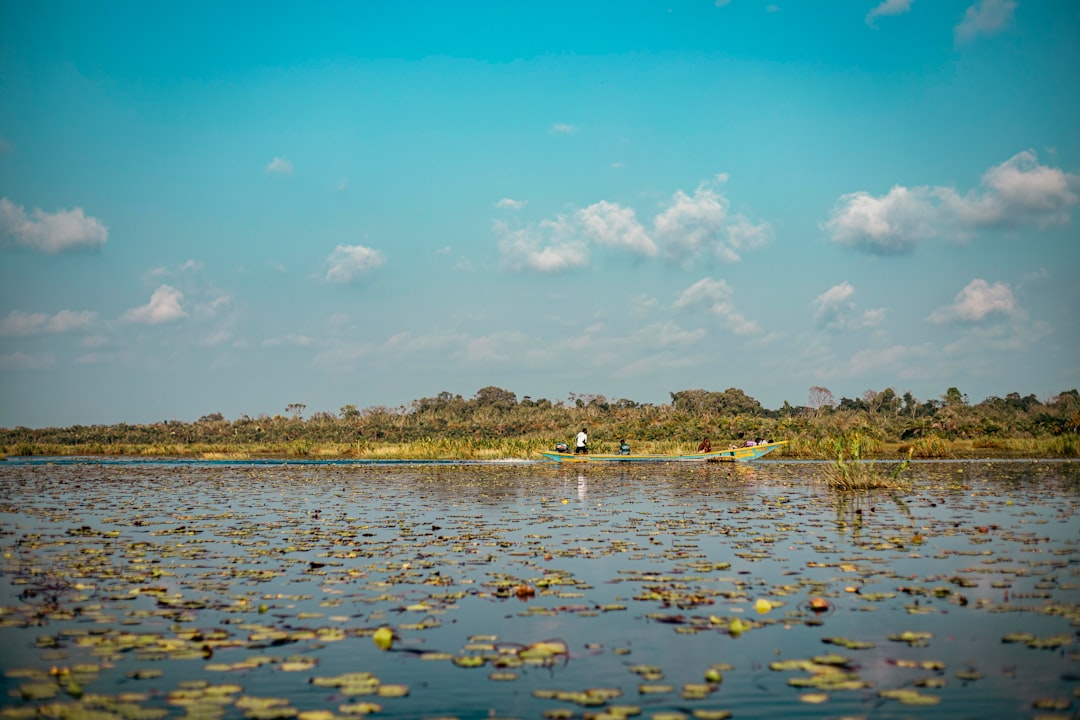
Ghana, a nation renowned for its rich culture, lively music, and warm hospitality, also boasts a fascinating array of local drinks and spirits. From ancient brews steeped in tradition to refreshing non-alcoholic delights, exploring Ghana's beverage landscape offers a unique insight into its history and people. Whether you're a curious traveler or an armchair explorer, prepare to uncover the distinctive tastes and cultural significance behind Ghana's beloved libations.
Palm Wine: Nature's Refreshing Nectar
Palm wine, known locally as nsafufuo among the Akan, is arguably Ghana's most iconic traditional beverage. Tapped directly from the sap of palm trees (such as date palms, oil palms, or coconut palms), this natural drink is a staple in communities across the country.
- Taste Profile: Freshly tapped palm wine is sweet and non-alcoholic, resembling coconut water with a slightly milky appearance. However, it ferments rapidly due to natural yeasts, becoming increasingly alcoholic and tangy over a few hours. Its effervescence and distinct sweet-sour taste make it a unique experience.
-
Cultural Significance: Palm wine plays a crucial role in Ghanaian social and ceremonial life. It is often served at:
- Weddings and engagements
- Funerals and naming ceremonies
- Festivals and traditional rites
- Casual social gatherings
- Availability: You'll find vendors selling palm wine in most rural areas and sometimes in urban markets. Look for roadside stalls with gourds or plastic containers.
Akpeteshie: Ghana's Indigenous Hard Liquor
Akpeteshie is Ghana's potent, distilled spirit, holding a special place in the country's drinking culture. Often referred to as "Ghanaian gin" or "local dry gin," it is distilled from fermented palm wine or other sugar-rich ingredients like molasses or sugarcane.
- Potency: Akpeteshie is renowned for its high alcohol content, typically ranging from 40% to 60% ABV, making it a very strong spirit.
- Historical Context: Historically, the production of Akpeteshie was often illicit during the colonial era, but it has since become a legal and culturally accepted beverage. Its unrefined nature and strong kick make it a drink for the adventurous.
-
Cultural Uses: Beyond its recreational use, Akpeteshie holds significant cultural value:
- Traditional Libations: Poured on the ground to honor ancestors and spirits.
- Herbal Remedies: Often infused with local herbs and roots for perceived medicinal benefits.
- Social Drink: Shared among friends during celebrations and serious discussions.
How Akpeteshie is Traditionally Made
The creation of Akpeteshie is a fascinating process involving traditional distillation methods:
- Fermentation: Palm wine (or a mash of sugar and water) is allowed to ferment for several days.
- Distillation: The fermented liquid is then boiled in a pot, and the vapor is collected and condensed back into liquid form. This process is repeated to achieve the desired purity and strength.
- Result: The clear, fiery spirit is then ready for consumption, often neat or mixed with water.
Local Brews & Refreshing Non-Alcoholic Drinks
Beyond palm wine and Akpeteshie, Ghana offers a delightful selection of other traditional brews and non-alcoholic refreshments perfect for any occasion.
Pito: The Millet Beer
Pito is a traditional beer brewed from fermented millet or sorghum. Popular primarily in the northern regions of Ghana, it offers a distinctive earthy taste.
- Taste and Appearance: Pito is a cloudy, reddish-brown drink with a slightly sour and nutty flavor. Its alcohol content is generally low, similar to a mild ale.
- Serving: Typically served in calabashes, Pito is a communal drink enjoyed during social gatherings and market visits.
Asaana: The Caramelized Corn Drink
Asaana is a popular non-alcoholic beverage made from caramelized corn. This sweet and refreshing drink is a staple on the streets of Ghana.
- Preparation: Dried corn is roasted until dark brown, then soaked, ground, and filtered. The resulting liquid is sweetened and sometimes spiced with ginger.
- Enjoyment: Best served chilled, Asaana is a perfect thirst quencher on a hot day.
Sobolo (Bissap): The Hibiscus Delight
Sobolo, also known as Bissap or Zobo, is a vibrant red, non-alcoholic drink made from dried hibiscus flowers.
- Flavor Profile: It has a tart, cranberry-like taste, often sweetened and spiced with ginger, pineapple, or other fruits.
- Health Benefits: Believed to have various health benefits, including regulating blood pressure, Sobolo is both delicious and refreshing.
Brukutu (Brukina): The Millet & Milk Blend
Brukutu or Brukina is a nutritious and refreshing non-alcoholic drink made from fermented millet or sorghum and fresh cow's milk.
- Texture and Taste: It has a creamy, slightly thick consistency with a pleasant tang from the fermented grain, balanced by the sweetness of the milk.
- Nutritional Value: Often consumed as a light meal or snack, Brukutu is highly regarded for its nutritional content.
Experiencing Ghana's Drink Culture Responsibly
When exploring Ghana's diverse drink offerings, it's important to approach them with an open mind and a sense of responsibility.
- Start Small: Local spirits like Akpeteshie are potent. If you're new to them, start with a small amount.
- Hygiene: When trying street vendors, observe their hygiene practices. Many reputable vendors maintain high standards.
- Cultural Immersion: Embrace the social aspect of drinking. Sharing a drink is often a way to connect and experience Ghanaian hospitality.
- Food Pairings: Many of these drinks pair wonderfully with Ghanaian cuisine. For example, a chilled Sobolo cuts through the richness of fried yam, while palm wine can complement spicy kelewele.
Embarking on a journey through Ghana's local drinks and spirits is more than just tasting beverages; it's an immersion into the very soul of the nation. From the communal joy of palm wine to the fiery spirit of Akpeteshie, and the refreshing simplicity of Sobolo, each drink tells a story of tradition, community, and the vibrant spirit of Ghana. Cheers to discovery!