Discover Ghana's UNESCO World Heritage Sites: A Journey Through History and Culture
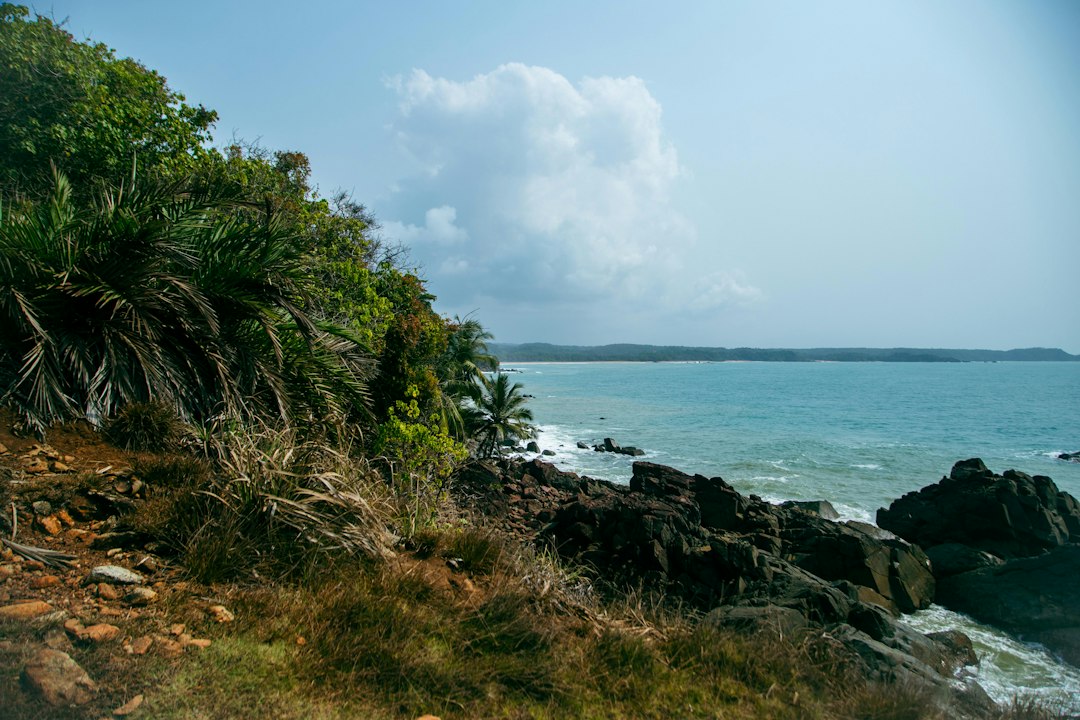
Ghana, a nation rich in history and vibrant culture, is home to some of the most profound UNESCO World Heritage Sites in Africa. These sites offer a powerful window into the past, reflecting both the grandeur of ancient empires and the painful legacy of the transatlantic slave trade. Exploring them is not just a tourist activity; it's an educational and deeply moving experience that connects visitors with significant global historical narratives.
Ghana's UNESCO Treasures: What Makes Them Special?
The United Nations Educational, Scientific and Cultural Organization (UNESCO) designates sites as World Heritage Sites based on their outstanding universal value. This means they hold immense cultural, historical, scientific, or natural significance for humanity. Ghana's designated sites primarily fall under the cultural criteria, preserving legacies that have shaped global history.
The Forts and Castles of Ghana: A Legacy of the Transatlantic Slave Trade
Stretching along Ghana's coastline are a series of forts, castles, and trading posts built by various European colonial powers from the 15th to the 19th centuries. Collectively, these are designated a UNESCO World Heritage Site, serving as poignant reminders of the Transatlantic Slave Trade and the era of European colonization in West Africa.
Elmina Castle: A Powerful Symbol of History
Elmina Castle, originally São Jorge da Mina, stands as one of the oldest and most imposing European structures south of the Sahara. Built by the Portuguese in 1482, it later fell into the hands of the Dutch and then the British. This formidable fortress was a key hub in the gold and later, the slave trade. A visit reveals:
- The daunting dungeons where enslaved Africans were held.
- The infamous "Door of No Return," the last exit point for many before their harrowing journey across the Atlantic.
- The strategic architecture designed for defense and trade.
Cape Coast Castle: Echoes of a Dark Past
Just a short distance from Elmina lies Cape Coast Castle, another significant fort with a similar, somber history. Initially built by the Swedish in the mid-17th century, it was later captured by the British and became one of their principal headquarters on the Gold Coast. Like Elmina, it played a central role in the slave trade, holding thousands before their forced exodus. The castle houses a museum detailing its history and the impact of the slave trade.
Other Notable Forts and Castles
While Elmina and Cape Coast are the most prominent, the UNESCO designation encompasses several other vital fortifications along the coast, each with its own story:
- Fort Saint Jago (Elmina): A smaller fort overlooking Elmina Castle, used for its defense.
- Fort William (Anomabu): Another important trading post and slave depot.
- Fort Metal Cross (Dixcove): Known for its unique design and picturesque location.
- Fort Amsterdam (Kormantin): A crucial site in Anglo-Dutch rivalry.
These structures collectively bear witness to a critical period in world history, representing the earliest European contact with sub-Saharan Africa and the devastating human cost of the slave trade.
Asante Traditional Buildings: A Glimpse into a Mighty Empire
The second major UNESCO World Heritage Site in Ghana is the Asante Traditional Buildings near Kumasi. These unique structures represent the last remaining examples of the classical Asante architecture from the powerful Asante Kingdom that flourished in the 18th century.
Preserving Asante Culture and Architecture
The Asante Kingdom was one of the most significant and influential pre-colonial states in West Africa, known for its advanced political and social structures, rich artistic traditions, and the legendary Golden Stool. The traditional buildings are characterized by:
- Their construction from earth, timber, and thatch, designed to adapt to the humid tropical climate.
- Intricate decorative reliefs and murals depicting symbols and proverbs unique to Asante culture.
- Their function as shrines and residential compounds for chiefs and elders, reflecting the spiritual and social fabric of the Asante people.
These sites are not just architectural marvels; they are living testaments to the ingenuity, artistry, and spiritual depth of the Asante civilization, offering invaluable insights into a grand African empire.
Planning Your Visit to Ghana's Heritage Sites
Visiting these UNESCO sites in Ghana is an unforgettable experience. To make the most of your journey:
- Best Time to Visit: The dry season (November to April) is generally recommended for more comfortable travel and touring.
- Guided Tours: Opt for knowledgeable local guides at the castles; their narratives bring the history to life with profound impact.
- Respect and Reflection: These sites carry immense historical weight. Approach them with an open mind and a respectful attitude, especially the slave castles.
- Accommodation: Several hotels and guesthouses are available in Cape Coast and Elmina, as well as in Kumasi for visiting the Asante sites.
- Transportation: Travel between sites is often via shared taxis or private vehicles. Tour operators can arrange comprehensive itineraries.
Ghana's UNESCO World Heritage Sites offer a deeply enriching and essential experience for anyone interested in African history, cultural heritage, and the broader human story. They stand as enduring monuments to resilience, a call for remembrance, and a testament to Ghana's significant contribution to global history.