Discover Bulgaria's Hidden Gems: A Guide to Its Most Famous Courtyards
Bulgaria, a land rich in history and breathtaking landscapes, holds within its ancient towns and monasteries a special kind of beauty: its enchanting courtyards. These aren't just mere spaces; they are vibrant open-air museums, whispering tales of centuries past. From ornate monastic gardens to cobblestone havens nestled within historic Revival houses, Bulgarian courtyards offer a unique glimpse into the country's architectural heritage and cultural soul. If you're looking to explore the true essence of Bulgaria beyond its well-trodden paths, embarking on a journey through its most famous courtyards is an absolute must. Get ready to uncover hidden architectural treasures and experience the tranquility of these remarkable spaces.
The Enchantment of Bulgarian Courtyards
Bulgarian courtyards are far more than simple outdoor areas; they are central to the country's traditional architecture and way of life. Often found within monasteries, ethnographic complexes, and National Revival period houses, these spaces were designed for both beauty and utility. They served as social hubs, workspaces, and tranquil retreats, typically featuring:
- Distinctive Architecture: Reflecting various historical periods, from medieval monastic styles to the elaborate features of the 19th-century Bulgarian National Revival.
- Lush Greenery: Many courtyards are adorned with vibrant flowers, climbing vines, and fruit trees, creating a serene atmosphere.
- Cobblestone Paths: Adding to their timeless charm and rustic appeal.
- Ornate Details: Including carved wooden eaves, painted facades, water fountains, and intricate ironwork.
These courtyards are perfect examples of traditional Bulgarian design, inviting visitors to step back in time and appreciate the craftsmanship of past generations.
Top Courtyards You Must Visit in Bulgaria
Prepare to be captivated as we explore some of Bulgaria's most renowned and historically significant courtyards. Each offers a unique window into the nation's past.
Rila Monastery Courtyard
Undoubtedly the most famous and largest monastery in Bulgaria, the Rila Monastery boasts a truly awe-inspiring courtyard. Surrounded by four-story residential sections, a majestic main church, and a medieval defense tower, this courtyard is a UNESCO World Heritage site.
- Key Features: The striking black-and-white striped arches and vibrant frescoes of the main church provide a stunning backdrop. The open space is perfect for absorbing the spiritual ambiance and architectural grandeur.
- Historical Significance: Founded in the 10th century, it has been a spiritual and cultural center for centuries, preserving Bulgarian identity during foreign rule.
- Experience: Feel the profound peace and marvel at the intricate details of the monastery's architecture. It's a prime example of Bulgarian monastic art.
Plovdiv Old Town Courtyards
Plovdiv, one of the oldest continuously inhabited cities in Europe, is a treasure trove of picturesque courtyards, particularly within its Old Town (Stariya Grad). Here, the courtyards of the National Revival houses are works of art.
- Key Features: Look for courtyards with ornate bay windows, colorful murals, and fragrant rose bushes. Many are now museums, like the Balabanov House and the Hindliyan House.
- Balabanov House Courtyard: Offers an exquisite example of 19th-century domestic architecture with a charming garden and views of the surrounding historic buildings.
- Hindliyan House Courtyard: Features a spectacular fountain and richly decorated rooms opening onto it, showcasing the wealth and taste of its original owners.
- Experience: Wander the cobblestone streets and discover these charming courtyards that reveal the opulent lifestyles of 19th-century merchants.
Koprivshtitsa's Historic Courtyards
The museum town of Koprivshtitsa is a living testament to the Bulgarian National Revival period. Its courtyards are integral to the town's unique charm, often hidden behind high stone walls.
- Key Features: Expect to find distinctive houses painted in vivid colors – red, blue, and yellow – with intricate wooden carvings and broad eaves. The courtyards are typically home to lush gardens, wells, and sometimes even small workshops.
- Lyutov House Courtyard: A prime example, showcasing the opulent lifestyle of a wealthy merchant with its unique archway and beautifully preserved interior.
- Oslekov House Courtyard: Another must-see, known for its carved facade and spacious grounds.
- Historical Significance: These courtyards played a role in the April Uprising of 1876, serving as meeting points and safe havens.
- Experience: Each courtyard tells a story of heroism and the pursuit of freedom, offering a deep dive into Bulgarian history and traditions.
Veliko Tarnovo's Tsarevets Fortress Courtyard and Craft Street Courtyards
While the Tsarevets Fortress itself is a vast open space, the remnants and reconstructed areas, particularly around the Patriarchal Cathedral, give a sense of a grand historical courtyard. Beyond the fortress, the Samovodska Charshiya (Craft Street) in Veliko Tarnovo offers smaller, charming courtyards.
- Tsarevets Courtyard: Imagine the ancient ceremonies and daily life within this medieval royal and patriarchal complex. The views over the Yantra River from here are spectacular.
- Samovodska Charshiya Courtyards: These are more intimate, often belonging to traditional artisan workshops and cafes. They provide a glimpse into traditional Bulgarian crafts and local life.
- Experience: Combine the grandeur of medieval royalty with the quaint charm of artisan life, all set against the dramatic backdrop of Veliko Tarnovo.
Nessebar Old Town Courtyards
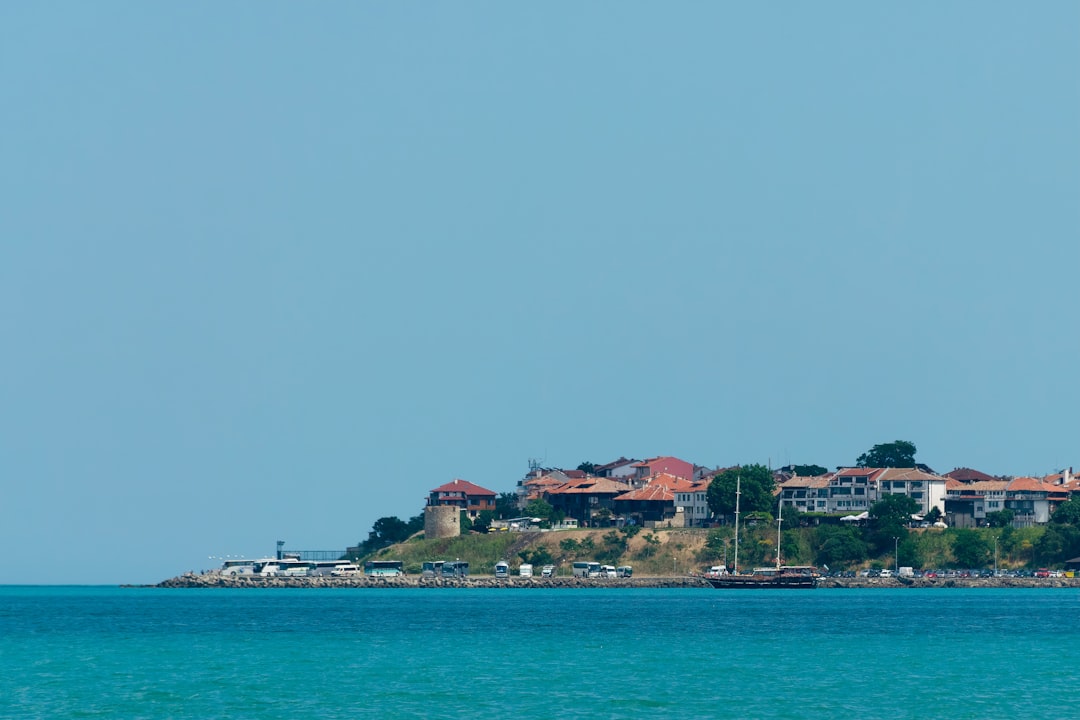
The ancient town of Nessebar, another UNESCO World Heritage site, is famous for its stunning coastal location and Byzantine churches. Its narrow, winding streets reveal charming courtyards, often associated with its distinctive wooden houses.
- Key Features: Courtyards here often feature stone walls, climbing plants, and a proximity to the sea, creating a unique maritime atmosphere. Many are part of small guesthouses or seafood restaurants.
- Historical Significance: Nessebar's courtyards reflect its long history as a fishing port and a melting pot of cultures.
- Experience: Stroll through the cobblestone alleys and discover serene spots where you can enjoy the sea breeze and the timeless beauty of this ancient town.
Planning Your Courtyard Exploration
To make the most of your journey through Bulgaria's beautiful courtyards, consider these tips:
- Wear Comfortable Shoes: Many courtyards, especially in old towns like Plovdiv and Koprivshtitsa, involve walking on cobblestone streets.
- Check Opening Hours: Monasteries and museum houses often have specific visiting hours.
- Respect Local Customs: Especially in active monasteries, dress modestly and be mindful of your volume.
- Hire a Local Guide: For a deeper understanding of the history and architectural nuances of each courtyard, a local guide can be invaluable.
- Allow for Spontaneity: Some of the most charming courtyards are often discovered by chance while wandering.
- Visit in Spring or Autumn: The weather is milder, and the courtyards are often adorned with beautiful seasonal flora.
Conclusion: Uncover Bulgaria's Architectural Soul
Exploring the famous courtyards of Bulgaria is an enriching experience that goes beyond typical sightseeing. It's an invitation to delve into the country's rich past, appreciate its masterful architecture, and soak in the tranquil beauty of its hidden gems. From the spiritual grandeur of Rila to the colorful history of Koprivshtitsa, each courtyard tells a compelling story, weaving together the fabric of Bulgarian culture and heritage. So, pack your bags, prepare your camera, and embark on an unforgettable journey to discover the architectural soul of Bulgaria one enchanting courtyard at a time.