Discover Bangladesh Sustainably: Your Ultimate Guide to Eco-Friendly Travel
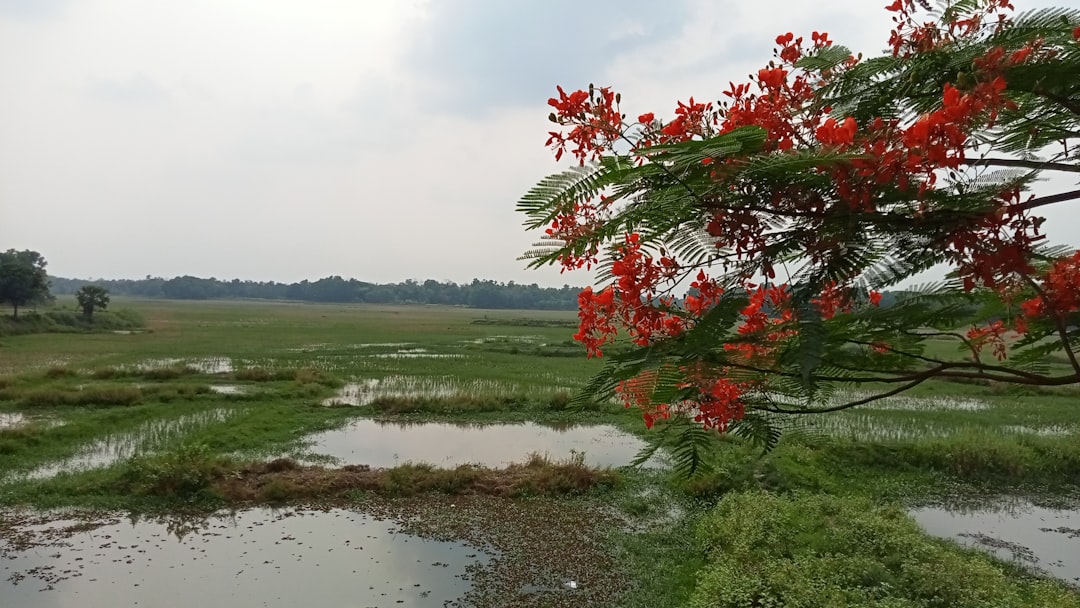
Bangladesh, a land of vibrant culture, lush landscapes, and a captivating history, offers an unparalleled travel experience. From the world's largest mangrove forest, the Sundarbans, to the rolling tea gardens of Sreemangal and the serene beauty of the Chittagong Hill Tracts, its natural and cultural heritage is immense. However, like many developing nations rich in biodiversity, Bangladesh is particularly vulnerable to climate change and the impacts of unregulated tourism. This makes eco-friendly and sustainable travel not just an option, but a crucial responsibility for every visitor.
Why Sustainable Travel Matters in Bangladesh
Embracing sustainable tourism in Bangladesh helps protect its delicate ecosystems, supports local communities, and preserves its unique cultural identity for future generations.
Protecting Precious Natural Wonders
Bangladesh is home to incredible biodiversity, including the Bengal tiger in the Sundarbans and numerous bird species in its wetlands. Responsible travel minimizes environmental impact, helping conserve these critical habitats and fragile ecosystems from pollution, deforestation, and over-tourism.
Empowering Local Communities
When you choose sustainable travel options, you directly contribute to the economic well-being of local communities. This includes staying in locally-owned guesthouses, hiring local guides, and purchasing authentic handicrafts. Such practices foster economic growth and provide meaningful income sources, reducing reliance on unsustainable practices.
Preserving Rich Cultural Heritage
Bangladesh boasts a deep and diverse cultural tapestry, from ancient archaeological sites to indigenous traditions. Eco-tourism encourages respectful interaction with local customs, traditions, and people, ensuring that cultural practices are honored and preserved rather than commodified or exploited.
Practical Steps for Eco-Friendly Adventures in Bangladesh
Making your trip eco-conscious is simpler than you might think. Here’s how you can embark on a truly green adventure in Bangladesh:
-
Mindful Transportation Choices:
- Opt for public transportation like trains, buses, or local boats (like launch services) for longer distances, which are often more fuel-efficient per passenger than private vehicles.
- Within towns or for short distances, embrace walking, cycling, or using rickshaws and auto-rickshaws (CNGs) for an authentic, low-impact experience.
- When booking tours, inquire about operators who prioritize smaller groups and eco-friendly transport methods.
-
Supporting Green Accommodations:
- Seek out eco-lodges, homestays, and guesthouses that demonstrate a commitment to sustainability. Look for places that use renewable energy, practice water conservation, manage waste responsibly, and employ local staff.
- These choices often provide a more immersive cultural experience while ensuring your money stays within the local economy.
-
Embracing Local Flavors & Crafts:
- Eat at local restaurants and street food stalls to enjoy authentic Bangladeshi cuisine made with fresh, seasonal ingredients. This reduces the carbon footprint associated with imported foods.
- Support local artisans and markets by purchasing handicrafts and souvenirs directly from producers. This helps preserve traditional crafts and ensures fair wages for the makers.
-
Minimizing Your Environmental Footprint:
- Reduce plastic waste by carrying a reusable water bottle and filtering tap water (or using purification tablets), refusing single-use plastic bags, and saying no to plastic straws.
- Be mindful of your energy and water consumption. Turn off lights and air conditioning when leaving your room, and take shorter showers.
- Always dispose of your waste properly, and if bins are unavailable, carry your litter until you find an appropriate disposal point.
-
Respecting Wildlife & Nature:
- If visiting national parks or wildlife sanctuaries, maintain a respectful distance from animals. Never feed wild animals or disturb their natural habitats.
- Stick to designated trails and paths to avoid trampling delicate flora.
- Choose responsible tour operators who adhere to ethical wildlife viewing practices and do not exploit animals for tourist entertainment.
-
Engaging with Local Cultures:
- Learn a few basic Bengali phrases to communicate with locals, which is always appreciated.
- Dress modestly when visiting religious sites or conservative areas.
- Ask for permission before taking photographs of people, especially in rural areas or indigenous communities.
- Be open to learning about local customs and traditions, and always approach interactions with humility and respect.
Top Eco-Destinations for Responsible Explorers in Bangladesh
Bangladesh offers several incredible destinations where sustainable tourism can flourish.
The Majestic Sundarbans: A Fragile Ecosystem
The Sundarbans, a UNESCO World Heritage site, is the largest contiguous mangrove forest in the world and a critical habitat for the endangered Bengal tiger.
- Responsible Travel Tips: Choose licensed, eco-friendly tour operators who prioritize small group sizes, minimal noise, and strict waste management. Support local conservation efforts and adhere to all park rules to protect this unique environment.
Sreemangal's Green Retreats: Tea Gardens & Tribal Life
Known as the "Tea Capital of Bangladesh," Sreemangal boasts rolling tea plantations, lush rainforests, and vibrant indigenous communities.
- Responsible Travel Tips: Stay in eco-resorts or homestays that engage local communities. Explore the Lawachara National Park with a local guide to learn about its biodiversity and contribute to their livelihood. Visit tribal villages respectfully, seeking permission before entering or photographing.
Chittagong Hill Tracts: Cultural Immersion
The hilly regions of Rangamati, Bandarban, and Khagrachari are home to diverse ethnic groups, each with unique cultures, languages, and traditions.
- Responsible Travel Tips: Travel with local guides who can offer authentic insights and facilitate respectful cultural exchange. Purchase handicrafts directly from local artisans. Be mindful of local customs and traditions, and seek permission before visiting villages.
St. Martin's Island: A Marine Marvel (Visit with Extreme Care)
Bangladesh's only coral island, St. Martin's, is a beautiful but fragile marine ecosystem. Due to past over-tourism, its environment has suffered significantly.
- Responsible Travel Tips: If you must visit, aim for the off-season to reduce your impact. Strictly adhere to no-littering rules, especially regarding plastic. Avoid walking on corals, refuse single-use plastics, and support local initiatives focused on marine conservation. Consider whether your visit is truly necessary given the island's delicate state.
Your Role as a Responsible Traveler
Your choices have a profound impact. By consciously choosing to travel sustainably, you become an agent of positive change.
- Educate yourself about the places you visit.
- Support local businesses directly.
- Minimize your waste and environmental footprint.
- Respect local cultures and traditions.
- Advocate for sustainable practices wherever you go.
Embark on a journey through Bangladesh that not only fills your heart with incredible memories but also leaves a positive mark on its people and its planet. Travel responsibly, explore ethically, and discover the true essence of Bangladesh.