Croatia's Iconic Fountains: A Journey Through History, Art, and Urban Charm
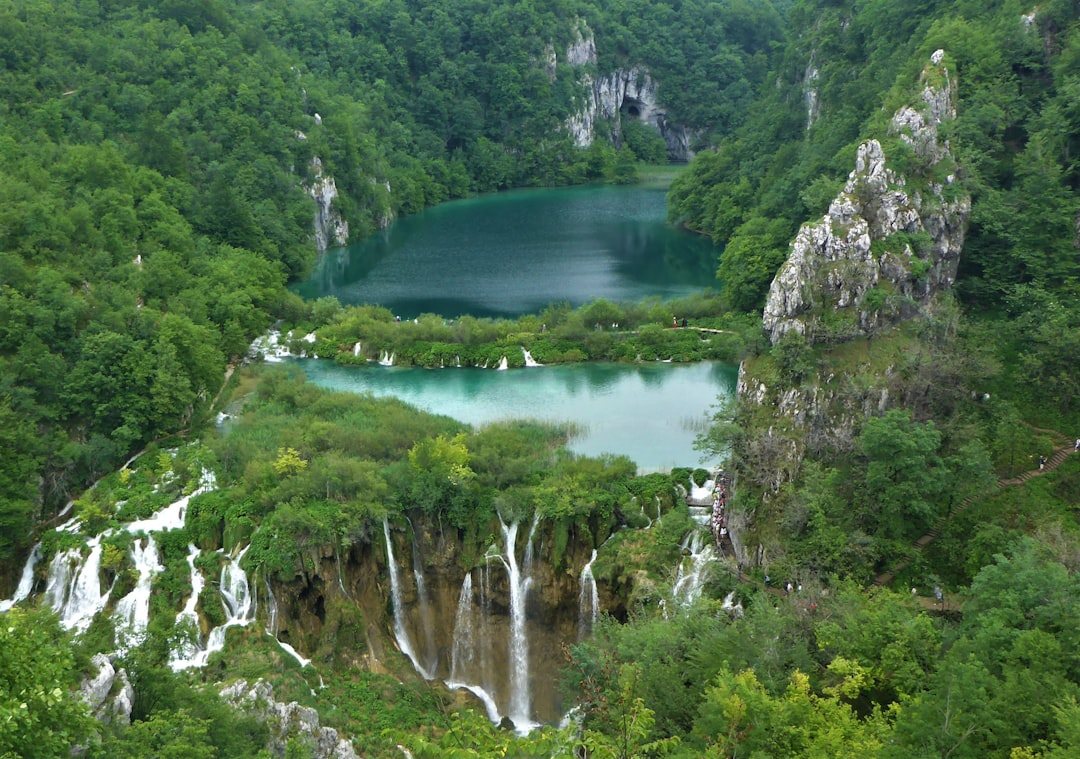
Croatia is a country renowned for its breathtaking coastlines, ancient cities, and vibrant culture. But beyond the sun-drenched beaches and historic walls, lies another layer of its urban beauty: its magnificent city fountains. These aren't just sources of water; they are architectural masterpieces, historical landmarks, and beloved gathering spots, each telling a unique story of the cities they adorn. Join us on a captivating journey to discover some of Croatia's most famous city fountains, where art, history, and daily life beautifully converge.
Dubrovnik: Where Ancient Waters Flow
The "Pearl of the Adriatic," Dubrovnik, is not only famous for its city walls but also for its remarkable water supply system, culminating in two iconic fountains that have stood the test of time.
Onofrio's Large Fountain
Located at the western end of the Stradun, near Pile Gate, Onofrio's Large Fountain is arguably Dubrovnik's most recognizable fountain. Built in 1438 by the Neapolitan architect Onofrio della Cava, it was a crucial part of the city's sophisticated water supply system, bringing fresh water from the Dubrovačka river over 12 kilometers away.
- Architectural Marvel: Its impressive polygonal shape with 16 masked spouts (kranjke) around its basin makes it a distinctive landmark. The spouts once depicted various mythical creatures and human faces, though many details have been worn by time.
- Historical Significance: It served as a vital public water source for centuries and a popular meeting point. Damaged during the 1667 earthquake, it was later restored.
- Photo Opportunity: A favorite spot for tourists to quench their thirst and capture a piece of Dubrovnik's history.
Onofrio's Small Fountain
At the eastern end of the Stradun, near Luža Square, you'll find its smaller counterpart, Onofrio's Small Fountain. Also designed by Onofrio della Cava, this elegant fountain is adorned with intricate carvings and a charming dolphin motif.
- Artistic Detail: While less imposing than its large sibling, its delicate design and detailed sculpture work make it equally captivating.
- Central Location: Perfectly positioned amidst the bustling square, it offers a serene spot in the heart of the old city.
Zagreb: Legends and Urban Elegance
Croatia's capital, Zagreb, offers a different kind of charm, where history blends with contemporary urban life. Its fountains are central to its identity, often carrying intriguing legends.
Manduševac Fountain
Nestled in the heart of Ban Jelačić Square, Zagreb's main square, the Manduševac Fountain is more than just a water feature; it's steeped in local legend and history.
- The Legend: According to folklore, the city of Zagreb got its name from this very spot. A Croatian Ban (ruler) once stopped here and, feeling thirsty, commanded a girl named Manda to "zagrabiti" (draw water) from the spring. Thus, "Zagreb" and "Manduševac" (Manda's spring) were born.
- Wishing Well: Today, it's believed that making a wish while touching the water of Manduševac will bring good luck, especially if you wish for love or a return to Zagreb.
- Cultural Hub: Surrounded by historic buildings and lively cafes, it's a constant hive of activity and a symbolic heart of the city.
Split: Roman Heritage Meets Adriatic Splendor
Split, home to the magnificent Diocletian's Palace, combines ancient Roman heritage with a vibrant Mediterranean atmosphere. Its fountains add to its historical allure and provide refreshing focal points.
Prokurative Fountain (Trg Republike Fountain)
While perhaps not as ancient as some, the Prokurative Fountain on Trg Republike (Republic Square) is an iconic landmark in Split. The square itself, inspired by Venice's St. Mark's Square, provides a stunning backdrop.
- Architectural Harmony: The fountain perfectly complements the neo-Renaissance arches of the Prokurative building, creating a grand and picturesque scene.
- Modern Elegance: Though built in a more modern era, it evokes a sense of classical grandeur, reflecting Split's long architectural tradition.
- Event Venue: The square often hosts concerts and events, with the fountain as its beautiful centerpiece, offering cool relief on warm Adriatic days.
From the ancient walls of Dubrovnik to the bustling squares of Zagreb and the Roman echoes of Split, Croatia's famous city fountains are much more than mere water dispensers. They are enduring symbols of resilience, artistry, and community. Each splash and trickle tells a story, inviting you to pause, reflect, and immerse yourself in the rich tapestry of Croatian culture and history. When you visit Croatia, take the time to discover these exquisite urban gems – they are truly sights to behold.