Bolivia Off-Season Travel: Your Ultimate Guide to Pros and Cons
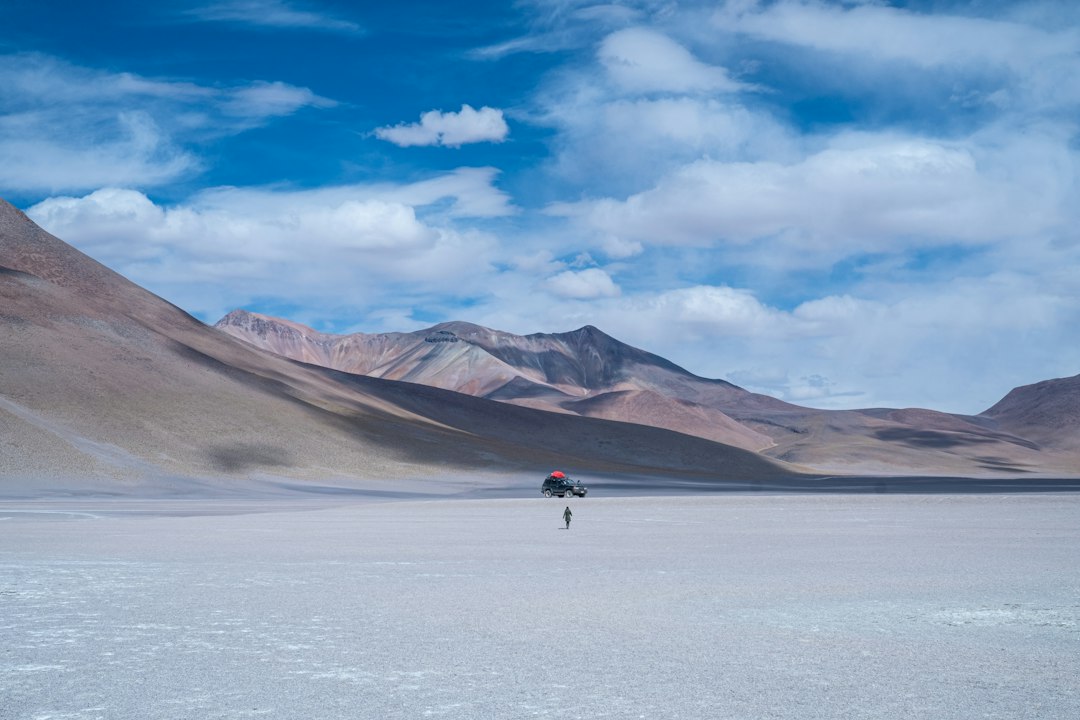
Dreaming of an unforgettable adventure to Bolivia but wondering about the best time to visit? While many flock during the peak dry season, exploring Bolivia during its off-season offers a completely different, often more rewarding, experience. This guide delves into the pros and cons of off-season travel in Bolivia, helping you decide if it's the right choice for your next South American journey.
Unlocking Bolivia's Hidden Charms: The Pros of Off-Season Travel
Venturing to Bolivia during its less-traveled months can unlock a host of benefits, transforming your trip into a unique and budget-friendly Bolivian adventure.
Fewer Crowds, More Authenticity
One of the most significant advantages is the dramatic reduction in tourist crowds. Popular destinations like Salar de Uyuni, Lake Titicaca, and La Paz feel less congested, allowing for a more intimate and personal connection with the culture and landscapes. You'll encounter fewer queues, enjoy quieter moments, and have more authentic interactions with locals, making for a truly immersive Bolivia travel experience.
Significant Cost Savings
The off-season typically coincides with lower demand, translating into considerable travel cost savings. Expect to find:
- Cheaper flights to Bolivia.
- Reduced accommodation prices, from hostels to boutique hotels.
- More negotiable rates on tours and excursions.
This makes Bolivia budget travel much more accessible, allowing your money to stretch further.
Unique Landscapes and Experiences
While the dry season offers clear skies, the off-season, often the rainy season in Bolivia, paints the landscapes in vibrant new hues.
- The Amazon basin and Yungas regions are incredibly lush and green.
- The Salar de Uyuni transforms into a colossal mirror, reflecting the sky perfectly after rainfall – a truly iconic photographic opportunity that many consider the best time to visit Salar de Uyuni.
- Waterfalls are at their most powerful, and rivers are full, offering breathtaking scenic beauty.
Easier Accommodation and Tour Bookings
With fewer visitors, finding last-minute accommodation and booking tours becomes a breeze. You'll have more flexibility with your itinerary and a wider selection of options, without the stress of everything being fully booked. This freedom allows for spontaneous decisions and a more relaxed travel pace.
Navigating the Challenges: Cons of Off-Season Travel in Bolivia
While the off-season has its perks, it's crucial to be aware of the potential drawbacks, particularly concerning weather and accessibility.
Weather Woes: The Rainy Season
The primary challenge is the weather. Bolivia's off-season generally aligns with its rainy season, typically from November to March/April. This means:
- Frequent downpours, especially in the highlands and eastern lowlands.
- Humidity can be high in tropical areas.
- Temperatures can drop significantly in the Altiplano.
While the rain often comes in bursts rather than all-day deluges, it requires careful planning and appropriate gear.
Accessibility Issues and Road Closures
Heavy rains can lead to muddy roads and road closures, especially in rural and remote areas.
- Some dirt roads become impassable, affecting bus routes and access to certain national parks or attractions.
- Flights within Bolivia, particularly to smaller airports, can be delayed or canceled due due to poor visibility.
- Travel times between destinations might be longer than anticipated.
Flexibility is key when planning Bolivia off-season logistics.
Limited Tour Availability
While many tours still operate, certain specialized treks or excursions might have reduced frequency or be temporarily unavailable due to safety concerns or difficult conditions. For example, some multi-day hikes might be more challenging, and specific wildlife viewing tours might be less predictable.
Is Off-Season Bolivia Right for You? Key Considerations
Deciding whether to embrace low season travel in Bolivia depends on your priorities and travel style:
- Budget travelers seeking to maximize savings will find it ideal.
- Photographers aiming for unique, reflective Salar de Uyuni shots or lush landscapes will be rewarded.
- Those who prefer fewer crowds and a more authentic, less touristy experience.
- Adventurous spirits willing to be flexible with their itinerary and embrace unexpected changes.
- Travelers not deterred by rainy weather and prepared for potential travel disruptions.
Making the Most of Your Off-Season Bolivian Adventure
If you choose to visit Bolivia during the off-season, a little preparation goes a long way:
- Pack waterproof gear: A good rain jacket, waterproof hiking boots, and a rain cover for your backpack are essential.
- Layer your clothing: Weather can be unpredictable, especially in the highlands.
- Check weather forecasts regularly: Pay attention to local reports for specific regions.
- Build flexibility into your itinerary: Allow extra time for travel and be prepared for potential delays or route changes.
- Book key tours locally upon arrival: This allows you to assess current conditions and get the most up-to-date information.
- Focus on cities and towns: Major urban centers like La Paz, Sucre, and Santa Cruz are generally less affected by weather-related closures.
Ultimately, visiting Bolivia during the off-season offers a distinct and often magical journey. While it presents its unique set of challenges, the rewards of fewer crowds, lower costs, and breathtaking, unique landscapes can make it an incredibly enriching and unforgettable travel experience.