Beyond the Beaches: A History Lover's Guide to the Ancient Sites of Bahamas
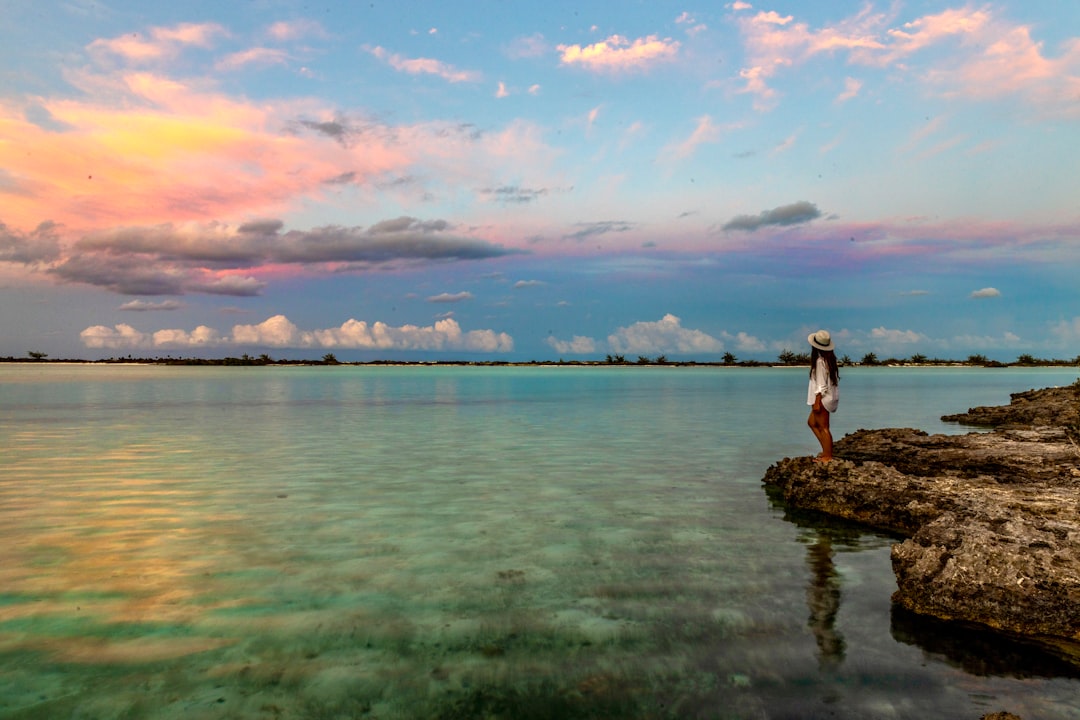
While the Bahamas are celebrated globally for their pristine beaches, turquoise waters, and vibrant marine life, beneath the surface lies a rich, often overlooked, tapestry of ancient history and captivating historical sites. For the discerning history lover, these islands offer a profound journey through time, from the footsteps of indigenous peoples to the echoes of colonial power and piracy. Prepare to discover the unexpected historical depth of this Caribbean paradise.
Unearthing the Lucayan Legacy: The First Bahamians
Long before European explorers sighted its shores, the Bahamas were home to the Lucayan people, a subgroup of the Taíno Arawaks. These indigenous inhabitants thrived across the archipelago for centuries, leaving behind a subtle yet significant historical footprint.
The First Inhabitants
The Lucayans were skilled navigators, farmers, and artisans. Their settlements, often near fresh water sources and fertile land, tell tales of a sophisticated pre-Columbian society. Archaeological evidence points to their presence on islands like San Salvador, Long Island, Cat Island, and Crooked Island.
Mysterious Settlements and Artifacts
While grand structures are not typical of Lucayan architecture, their presence is marked by:
- Ceramic shards: Fragments of pottery used for cooking and storage.
- Shell tools and ornaments: Crafted from the abundant marine resources.
- Burial sites: Revealing insights into their spiritual beliefs and practices.
- Middens: Ancient refuse heaps that provide clues about their diet and daily life.
Visiting areas known for Lucayan finds offers a unique connection to the Bahamas' original inhabitants and their peaceful existence before contact with the Old World.
Echoes of Exploration and Empire: Colonial Footprints
The arrival of Christopher Columbus in 1492 marked a pivotal turning point, integrating the Bahamas into global history and ushering in centuries of colonial influence, adventure, and conflict.
Columbus's Footsteps
Most historians agree that San Salvador was Guanahani, the first land sighted by Columbus in the New World. While direct ancient structures from this specific moment are scarce, the island itself is a living monument to this historic encounter. Markers and memorials across San Salvador commemorate this momentous event, allowing visitors to trace the initial interaction between Europeans and the Lucayans.
Pirate Havens and Colonial Strongholds
The Bahamas' strategic location made it a hotbed for piracy during the late 17th and early 18th centuries. Nassau, on New Providence Island, famously became a pirate republic.
- Fort Fincastle: Perched on Bennet's Hill, this limestone fort built in 1793 offers panoramic views and protected Nassau from invaders. Its unique paddle-wheel shape is a testament to colonial military architecture.
- Queen's Staircase: Carved out of solid limestone by slaves between 1793 and 1794, this 66-step stairway provided a direct escape route from Fort Fincastle to Nassau city. It's a powerful symbol of colonial labor and ingenious engineering.
- Fort Charlotte: The largest of Nassau's three forts, completed in 1789, it features a moat, drawbridge, and dungeons, offering a fascinating glimpse into late 18th-century military life.
Loyalist Plantations and Settlements
Following the American Revolution, thousands of British Loyalists fled to the Bahamas, bringing with them their traditions and often, enslaved people. They established plantations, particularly on islands like Abaco, Eleuthera, and Cat Island.
- Preacher's Cave (Eleuthera): A historically significant site where the Eleutheran Adventurers, seeking religious freedom, held the first non-indigenous worship service in the Americas in the mid-17th century.
- Loyalist Villages: Throughout the Out Islands, charming towns like Hope Town in Abaco still retain the architecture and heritage of these early settlers.
Must-Visit Historical Landmarks for Deeper Exploration
Beyond the iconic sites in Nassau, the Out Islands hold their own unique historical treasures.
The Hermitage at Mount Alvernia (Cat Island)
This ancient monastery, perched atop the highest point in the Bahamas, was built by Father Jerome, a reclusive architect and hermit, in 1939. While not "ancient" in the Lucayan sense, its stone construction and spiritual aura give it a timeless, historic feel, offering breathtaking views and a sense of serenity.
Slave Village Ruins
Throughout many islands, though often unmarked, ruins of slave villages and plantation houses stand as poignant reminders of a challenging but vital part of Bahamian history. These sites underscore the stories of resilience and the origins of much of modern Bahamian culture.
Preserving the Past for Future Generations
The Bahamas is increasingly recognizing the importance of its historical and archaeological heritage. Efforts are underway to protect and interpret these ancient sites for both locals and visitors.
Archaeological Efforts
Local organizations and international partnerships are working to conduct surveys, excavations, and conservation projects to better understand and preserve Lucayan sites and other historical artifacts.
Sustainable Tourism
Visiting these historical sites responsibly helps support their preservation. Learning about the past enriches the present and ensures that the Bahamas' history continues to be told.
The Bahamas offers more than just postcard-perfect beaches; it presents a compelling narrative for the history enthusiast. From the whispers of the Lucayans to the bold statements of colonial forts, exploring the ancient sites of the Bahamas is an unforgettable journey into the heart of its enduring legacy. Pack your curiosity alongside your swimsuit, and prepare to be amazed by the depth of history awaiting discovery.