Aruba Language Guide: Smooth Communication for Your Island Vacation
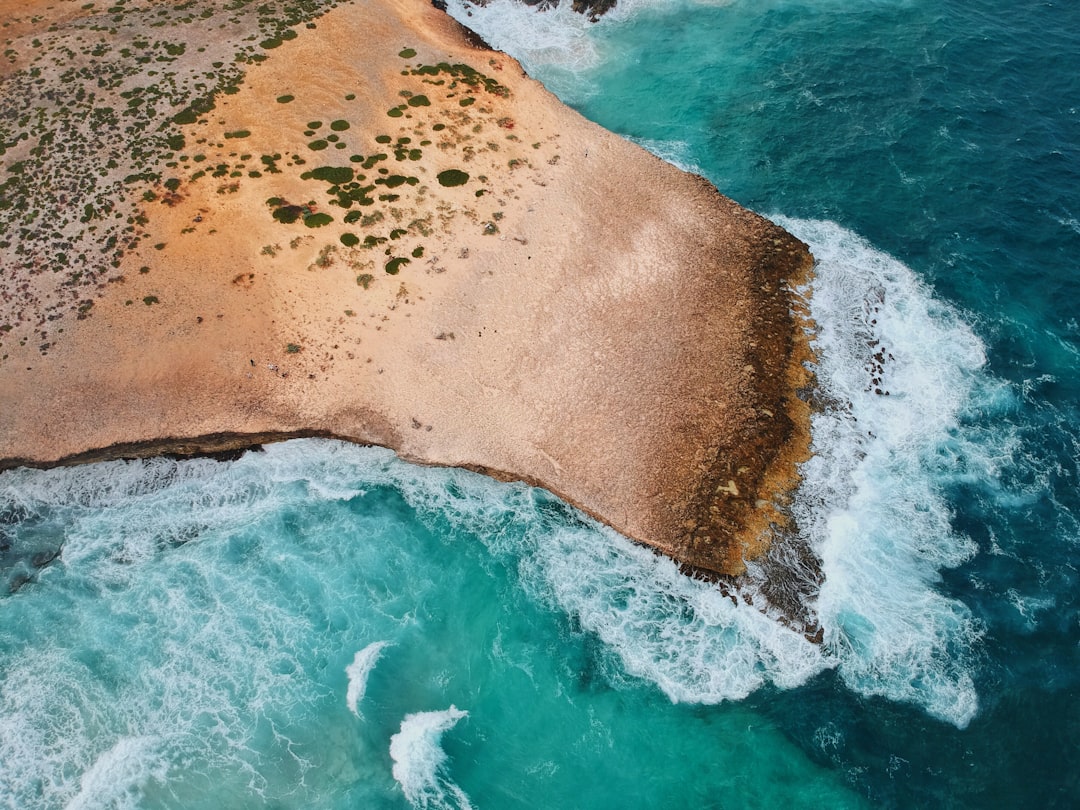
Planning a trip to the sun-kissed shores of Aruba, the "One Happy Island"? While you're dreaming of white sands and crystal-clear waters, a common question often arises: "Will I be able to communicate easily?" The good news is, navigating the language barrier in Aruba is surprisingly effortless and enjoyable. Arubans are renowned for their warmth and linguistic prowess, ensuring your stay is seamless and stress-free.
Understanding Aruba's Unique Linguistic Landscape
Aruba boasts a fascinating blend of cultures, reflected beautifully in its languages. Understanding this tapestry is the first step to confident communication.
- Papiamento: This is Aruba's vibrant and unique native language. A creole language, it's a melodic blend of Spanish, Portuguese, Dutch, English, and African influences. It's truly the heart of Aruban identity.
- Dutch: As part of the Kingdom of the Netherlands, Dutch is an official language and is used in government and education. You'll see it on street signs and official documents.
- English: For most visitors, English is your go-to language. It is widely spoken and understood in all tourist areas, hotels, restaurants, shops, and by almost everyone you encounter.
- Spanish: Given Aruba's proximity to South America, Spanish is also commonly spoken, especially by those working in the hospitality sector and by some locals.
Essentially, you're stepping into an island where multilingualism is the norm, and English proficiency is high.
Essential Phrases to Master (and Why)
While you'll get by perfectly with English, learning a few words in the local tongue, Papiamento, can truly enhance your experience. It shows respect and often elicits a delighted smile from locals.
Papiamento: A Touch of Local Charm
Even a simple greeting can make a big difference. Here are some easy phrases to try:
- "Bon dia" - Good morning
- "Bon tardi" - Good afternoon
- "Bon nochi" - Good night
- "Danki" - Thank you
- "Por fabor" - Please
- "Ayo" - Goodbye
- "Con ta bai?" - How are you?
- "Mi ta bon!" - I'm good!
Locals genuinely appreciate the effort, making your interactions richer and more memorable.
Dutch, English & Spanish: Your Comfort Zone
- English: Reassure yourself that English is universally understood in tourist-facing establishments. Don't hesitate to speak English in any situation.
- Spanish: If you're comfortable with Spanish, feel free to use it. Many Arubans are fluent and will happily converse with you.
- Dutch: While less common for tourist interactions, recognizing a few Dutch words might be helpful when reading official signs.
Beyond Words: Non-Verbal Communication and Cultural Tips
Communication isn't just about spoken words. A friendly demeanor goes a long way on the "One Happy Island."
- Smile Often: Arubans are incredibly friendly. A warm smile is a universal language that will be reciprocated.
- Be Polite: Always use "please" and "thank you" (or "Danki"!) to show your appreciation.
- Patience: While rare, if there's a slight misunderstanding, a little patience will resolve any situation.
- Openness: Engage with locals! They love to share their island and culture.
Leveraging Technology for Seamless Communication
For those moments when you might want a little extra help or to delve deeper into Papiamento, technology is your friend.
- Translation Apps: Download apps like Google Translate or Microsoft Translator before your trip. These can translate spoken words or text, and many offer offline translation packs for Papiamento.
- Wi-Fi Availability: Aruba has excellent Wi-Fi coverage in hotels, resorts, and many public areas, making online translation tools easily accessible.
- Phrasebooks: A physical Papiamento phrasebook can be a fun and reliable backup.
Embrace the Experience: Don't Fear the Barrier!
The most important tip for navigating language in Aruba is to relax and embrace the experience. Any perceived language barrier is almost non-existent for English speakers, and the effort to learn a few local words is a fantastic way to connect with the island's vibrant culture.
Arubans are incredibly welcoming, understanding, and eager to help you have the best possible vacation. So go ahead, chat with the locals, try out your "Bon dia," and immerse yourself in the unique charm of Aruba. You'll find that communication on this happy island is just another reason to fall in love with it.