An Architect’s Guide to the Most Stunning Buildings in Puerto Rico
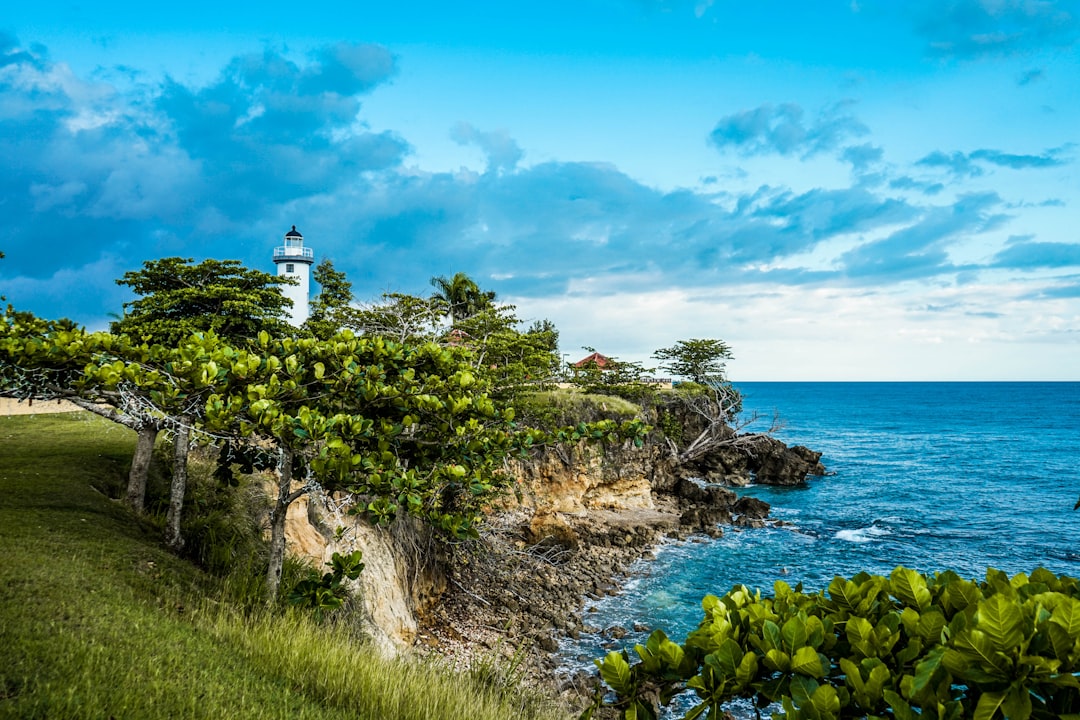
Puerto Rico, the "Island of Enchantment," is more than just stunning beaches and vibrant culture; it's a living museum of architectural innovation and historical resilience. From ancient Spanish fortresses to elegant Art Deco masterpieces and contemporary design marvels, the island offers a rich tapestry of styles that tell stories of conquest, independence, and evolution. For architects, historians, and design enthusiasts alike, exploring Puerto Rico's buildings is a journey through centuries of architectural evolution shaped by diverse cultural influences.
Discovering Puerto Rico's Architectural Gems
The island's unique blend of Taino, Spanish, African, and American influences has culminated in a distinctive architectural identity. We delve into some of the most captivating structures that showcase this unparalleled heritage.
1. Castillo San Felipe del Morro (El Morro), Old San Juan
Standing majestically at the entrance to San Juan Bay, El Morro is a six-level fortress that epitomizes military engineering from the 16th to 18th centuries. A UNESCO World Heritage Site, its formidable walls and intricate design were crucial in defending the Spanish Empire's access to the Americas.
-
Key Features:
- Massive stone walls up to 140 feet high, designed to withstand naval attacks.
- Strategic garitas (sentry boxes) offering panoramic ocean views and defining the fort's silhouette.
- Intricate system of ramps, tunnels, and dungeons demonstrating advanced defensive planning.
- A lighthouse added in the 19th century, a prominent navigational aid.
Architects marvel at its structural integrity and its adaptation to the rugged coastline, making it a timeless example of defensive architecture.
2. La Fortaleza, Old San Juan
Also a UNESCO World Heritage Site, La Fortaleza holds the distinction of being the oldest executive mansion in continuous use in the Western Hemisphere. Originally built in the 16th century as a fortress, it later transformed into the official residence of Puerto Rico's governor.
-
Architectural Significance:
- Exhibits a fascinating evolution from medieval military stronghold to a lavish colonial palace.
- Features a beautiful interior courtyard with lush gardens, reflecting Spanish influence.
- Showcases elements of Gothic, Renaissance, and Baroque styles added over centuries of modifications.
- The "Blue Wall" and its distinctive turrets remain iconic symbols of its past.
Its architectural layering offers a unique glimpse into the island's political and social history, making it a compelling study in adaptive reuse and historical preservation.
3. Parque de Bombas, Ponce
In the vibrant city of Ponce, the Parque de Bombas (Firehouse) is an instantly recognizable landmark due to its striking red and black stripes and Victorian Gothic influences. Built in 1882 for an exposition, it later became the city's main fire station.
-
Distinctive Characteristics:
- Polychrome exterior featuring bold red and black vertical bands, a rarity in Caribbean architecture.
- Gothic Revival elements, including pointed arches and decorative wooden details.
- An octagonal central tower that adds to its dramatic silhouette.
This building is a testament to the eclectic architectural styles that flourished in Ponce during its economic boom, making it a must-see example of unique civic architecture.
4. Museo de Arte de Puerto Rico (MAPR), Santurce
The Puerto Rico Museum of Art (MAPR) in Santurce offers a compelling contrast of old and new. It integrates a beautifully restored Neoclassical building from 1920 with a stunning, modern architectural wing completed in 2000.
-
Design Highlights:
- The original building's grand façade and classic lines are meticulously preserved.
- The new wing features sleek glass and steel, creating a dialogue between historical gravitas and contemporary lightness.
- A spectacular botanical sculpture garden connects the two structures, offering an open-air exhibition space.
MAPR is a prime example of successful architectural juxtaposition, demonstrating how historical preservation can meet innovative design to create a dynamic cultural space.
5. Edificio Banco Popular de Puerto Rico, Old San Juan
Nestled within the historic streets of Old San Juan, the Banco Popular building stands out as a prime example of Art Deco architecture. Constructed in the 1930s, its design reflects the optimism and modernist spirit of the era.
-
Art Deco Elements:
- Streamlined geometric forms and vertical emphasis.
- Decorative relief sculptures and stylized motifs, often depicting local themes.
- Rich materials, including polished stone and bronze accents.
- Large, multi-story windows that integrate natural light.
This building is a significant landmark showcasing the global influence of the Art Deco movement adapted to the Caribbean context, adding a sophisticated, modern layer to Old San Juan's otherwise colonial fabric.
Puerto Rico's Enduring Architectural Legacy
From the stoic fortresses that guarded its shores to the ornate mansions of its southern cities and the sleek lines of its modern institutions, Puerto Rico's buildings tell a compelling story. They embody the island's journey, its cultural fusion, and its commitment to preserving the past while embracing the future. For architects, the island offers a unique laboratory of design innovation and historical layering, proving that stunning architecture is not just about aesthetics, but about storytelling, resilience, and identity. Embark on this architectural adventure and discover the unparalleled beauty of Puerto Rico's built environment.