A Wine Lover’s Guide to the Best Vineyards in Tunisia
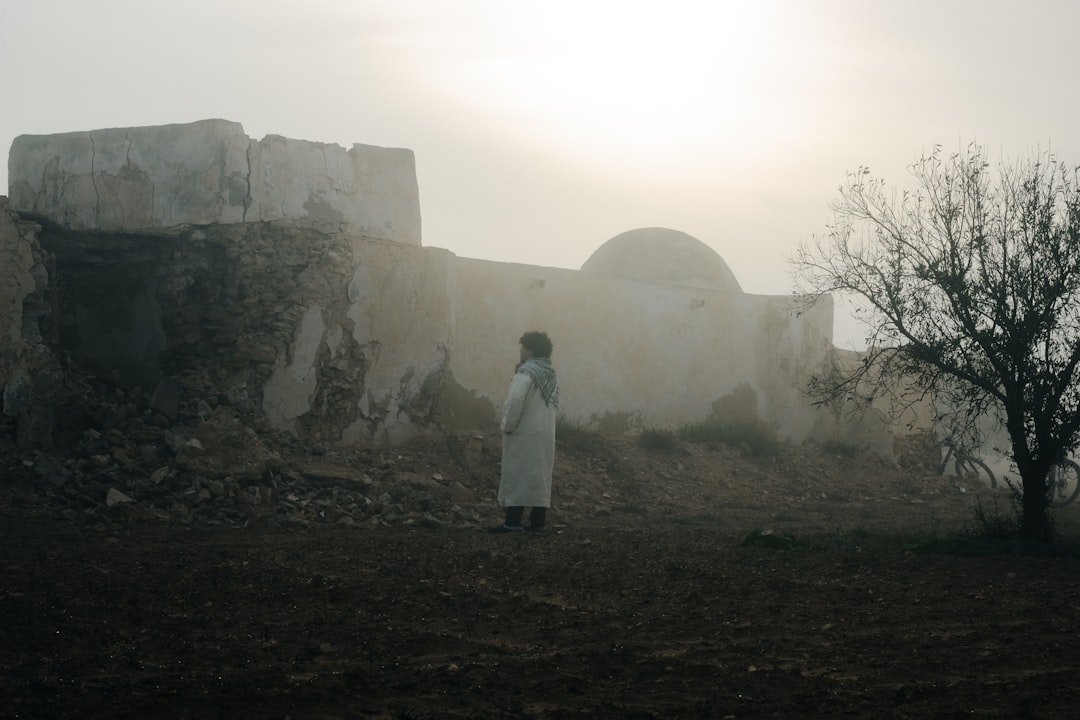
Tunisia, a land of ancient history and sun-drenched landscapes, might not be the first country that comes to mind for world-class wine, yet its winemaking tradition is as old as civilization itself. Nestled on the Mediterranean coast, Tunisia offers a unique and evolving wine scene waiting to be discovered by the discerning palate. From historic estates to modern wineries, this guide will navigate you through the finest vineyards and appellations of this North African gem.
Tunisia's Rich Winemaking Heritage
The story of Tunisian wine is a fascinating tapestry woven through millennia, making it a truly historic wine destination.
A Legacy Rooted in Antiquity
Winemaking in Tunisia dates back to the Phoenicians, who brought viticulture to Carthage over 3,000 years ago. The Romans later perfected these techniques, with Roman Africa becoming a major supplier of wine to the empire. Even after centuries of shifting rule, the tradition persisted, adapting and evolving. This deep historical connection imbues Tunisian wines with a unique sense of place and ancient terroir.
The Modern Renaissance of Tunisian Wine
While production dwindled in some periods, Tunisia has experienced a significant wine renaissance in recent decades. Post-independence, sustained investment in modern viticulture techniques, international grape varieties, and state-of-the-art facilities has propelled Tunisian wines onto the global stage. Today, Tunisian winemakers are passionately crafting wines that express their land with both respect for tradition and an eye towards innovation.
Key Wine Regions and Their Unique Terroirs
Tunisia's diverse geography, from coastal plains to rolling hills, provides a range of microclimates perfect for cultivating distinct grape varieties.
Cap Bon: The Heart of Tunisian Viticulture
The Cap Bon peninsula is arguably the most famous and productive wine region in Tunisia. Its proximity to the sea provides a moderating influence, while the sunny, dry climate is ideal for viticulture. The region boasts well-established A.O.C. (Appellation d'Origine Contrôlée) zones known for their quality.
- Mornag A.O.C.: This is Tunisia's most renowned appellation, producing powerful reds and elegant rosés. Vineyards here benefit from fertile soils and a consistent climate.
- Domaine Neferis: A leading producer in the region, known for its commitment to quality and a range of expressive wines, including the popular Selian and Magon labels.
- Domaine Carthage (Les Vignerons de Carthage): This cooperative is a powerhouse, producing a wide array of wines under various brands like Didon, Carthago, and Sidi Brahim, representing the best of Tunisian terroir.
Northern Tunisia: Diversity and Elegance
Moving further north, regions like Tebourba, Thibar, and Sidi Salem offer different expressions of Tunisian wine. Here, vineyards often benefit from higher altitudes and unique soil compositions, contributing to wines with distinct characteristics.
- Thibar A.O.C.: Located in the mountainous northwest, Thibar is known for producing robust red wines that often showcase excellent structure and aging potential.
- Sidi Salem: This area is emerging for its focus on quality, with producers experimenting with international varietals alongside indigenous grapes to craft nuanced and complex wines.
Must-Try Tunisian Wine Varieties
Tunisian vineyards cultivate a fascinating mix of traditional Mediterranean grapes and popular international varieties.
Robust Reds
The backbone of Tunisian wine production is its red varietals, perfectly suited to the Mediterranean climate.
- Carignan: A traditional grape that produces full-bodied, fruit-forward wines, often with spicy notes.
- Cinsault: Known for its aromatic qualities and soft tannins, contributing freshness to blends.
- Grenache: Adds warmth, berry fruit flavors, and complexity.
- Syrah & Mourvèdre: International heavyweights that thrive here, yielding dark, concentrated wines with excellent structure.
Refreshing Whites & Rosés
While reds dominate, Tunisia also produces delightful white and rosé wines, especially perfect for enjoying in its sunny climate.
- Muscat d'Alexandrie: Aromatic and often sweet, used for crisp dry whites and dessert wines.
- Chardonnay & Sauvignon Blanc: International white grapes that produce fresh, vibrant wines.
- Rosé Wines: Tunisian rosés are celebrated for their dry, refreshing character, vibrant color, and fruity profiles, making them an ideal pairing for local cuisine.
Planning Your Tunisian Wine Journey
Embarking on a Tunisian wine tour offers more than just exceptional tastings; it’s an immersive cultural experience.
Beyond the Tasting Room
Combine your vineyard visits with explorations of Tunisia's rich history. Wander through the ancient ruins of Carthage, marvel at the Roman mosaics in the Bardo Museum, or explore the charming blue and white village of Sidi Bou Said. Pair your wines with the exquisite local cuisine, from fresh seafood to aromatic tagines. Many wineries are situated close to beautiful coastal towns or historical sites, making for a perfect blend of wine and culture.
Tips for Visitors
- Best Time to Visit: Spring (March-May) and Autumn (September-November) offer pleasant weather for touring and often coincide with harvest season for an even more immersive experience.
- Vineyard Tours: Many vineyards welcome visitors, but it's often advisable to book in advance, especially for private tours and tastings.
- Local Etiquette: While wine is widely enjoyed, remember to be respectful of local customs and traditions, particularly outside of tourist areas.
Tunisia's wine scene is a captivating blend of ancient heritage and modern ambition. For any wine enthusiast seeking an authentic and unconventional wine adventure, exploring the best vineyards in Tunisia promises an unforgettable journey of discovery.