A History Lover’s Guide to the Ancient Sites of Spain
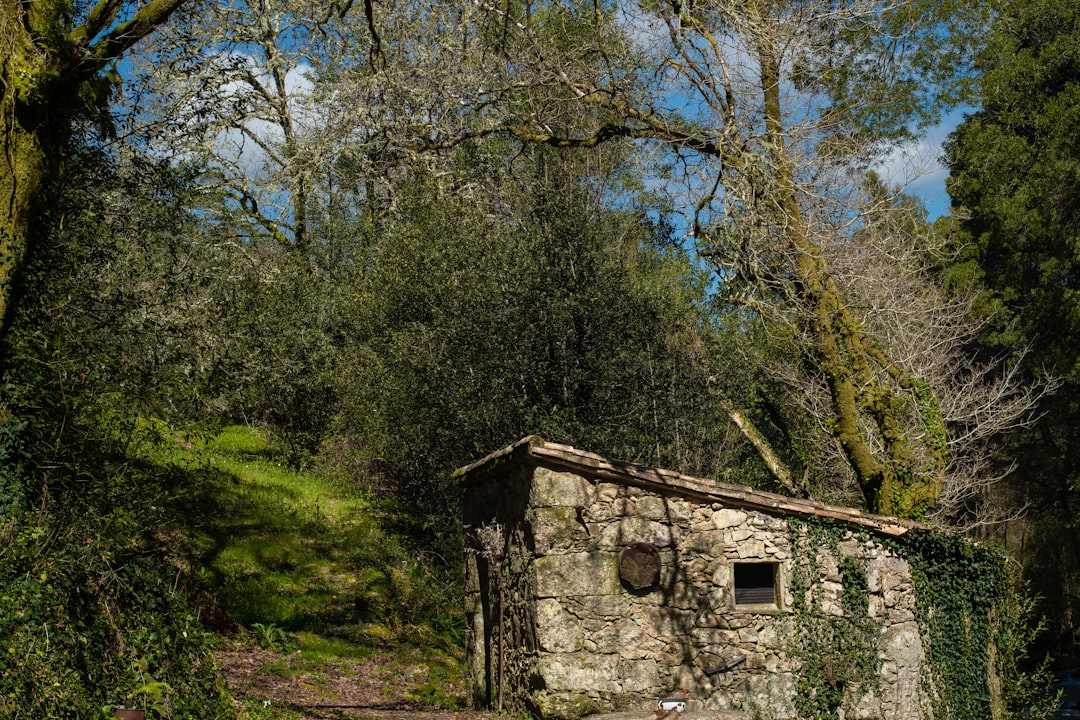
Spain, a land steeped in millennia of human history, offers an unparalleled journey through time for history enthusiasts. From prehistoric cave paintings to the remnants of mighty Roman cities and early Christian kingdoms, its ancient sites are a testament to the diverse civilizations that have shaped the Iberian Peninsula. Prepare to uncover layers of fascinating heritage as we explore some of Spain's most remarkable ancient treasures.
Pre-Roman Iberia: Echoes of Early Civilizations
Before the arrival of the Romans, the Iberian Peninsula was a vibrant tapestry of indigenous cultures. These early societies left behind a rich legacy, from sophisticated art to impressive fortifications.
Iberian & Celtiberian Wonders
The Iberians, an ancient people inhabiting the eastern and southern coasts, developed complex societies and distinctive art. In contrast, the Celtiberians, a fusion of Celtic and Iberian cultures, dominated the central plateau, known for their fierce warrior spirit.
- Lady of Elche (Dama de Elche): While the original sculpture is in Madrid's National Archaeological Museum, the site of La Alcudia near Elche continues to yield significant Iberian artifacts, offering insights into their artistic prowess and religious beliefs.
- Numantia (Numancia): Near Soria, this iconic Celtiberian city is famous for its heroic resistance against the Roman Republic. Visitors can explore the archaeological remains of the ancient city and a reconstructed Celtiberian house, truly stepping back into the Iron Age.
- Los Millares: Located in Andalusia, this is one of Europe's most important Chalcolithic (Copper Age) sites. Discover a vast fortified settlement complete with multiple lines of defensive walls, stone bastions, and a necropolis of megalithic tombs, dating back over 5,000 years.
Roman Hispania: A Vast Imperial Legacy
The Roman conquest of Hispania (Spain) began in the 3rd century BCE and lasted for centuries, transforming the region into one of the Roman Empire's most prosperous and important provinces. Its legacy is visible in monumental architecture and extensive infrastructure.
Grand Cities & Engineering Marvels
Roman Hispania was a hub of trade, culture, and engineering, leaving behind an astonishing collection of Roman ruins.
-
Mérida (Augusta Emerita): Declared a UNESCO World Heritage site, Mérida was a capital of Lusitania and is an open-air museum of Roman architecture. Highlights include:
- A beautifully preserved Roman Theatre, still used today.
- The impressive Amphitheatre, where gladiatorial contests once took place.
- The Roman Bridge over the Guadiana River, one of the longest surviving Roman bridges.
- The Acueducto de los Milagros, a striking aqueduct still standing tall.
- Segovia Aqueduct: An engineering marvel and a symbol of Segovia, this two-tiered Roman aqueduct is one of the best-preserved and most impressive ancient Roman constructions in the world, built without mortar.
-
Tarragona (Tarraco): Once the capital of Hispania Citerior, Tarragona boasts a wealth of Roman ruins, including:
- A magnificent Roman Amphitheatre overlooking the Mediterranean Sea.
- Part of the original Roman Walls that encircled the city.
- Remains of the Circus, where chariot races were held.
- Itálica: Near Seville, Itálica was the first Roman city founded in Hispania and the birthplace of emperors Trajan and Hadrian. Explore its well-preserved amphitheatre, impressive mosaic floors in the aristocratic houses, and the general layout of a thriving Roman city.
Visigothic & Early Christian Spain: A Bridging Era
Following the decline of the Roman Empire, the Visigoths established a powerful kingdom in Spain. This period, though often overlooked, played a crucial role in shaping the early medieval identity of the peninsula and witnessed the spread of Christianity.
Surviving Vestiges & Religious Sites
The Visigothic legacy, while less monumental than the Roman, is significant for its early Christian art and architecture.
- San Juan de Baños de Cerrato: Located in Palencia, this modest yet historically vital church is considered one of the oldest Visigothic churches in Spain, consecrated in 661 AD. Its unique architecture provides a window into the Visigothic religious aesthetic.
- Toledo: While most of Toledo's famous monuments are from later periods, the city was the capital of the Visigothic Kingdom. Archaeological finds and the city's overall layout hint at its Visigothic foundations and importance as an early Christian center. The Museo de los Concilios y la Cultura Visigoda (Museum of Visigothic Councils and Culture) houses important artifacts.
Spain offers an extraordinary voyage through the annals of time, making it an essential destination for anyone eager to explore ancient history. Each site tells a unique story, inviting visitors to connect with the civilizations that laid the groundwork for modern Spain. Embark on your own historical adventure and uncover the timeless wonders of this captivating land.