A Guide to the Traditional Dress and Costumes of Guatemala
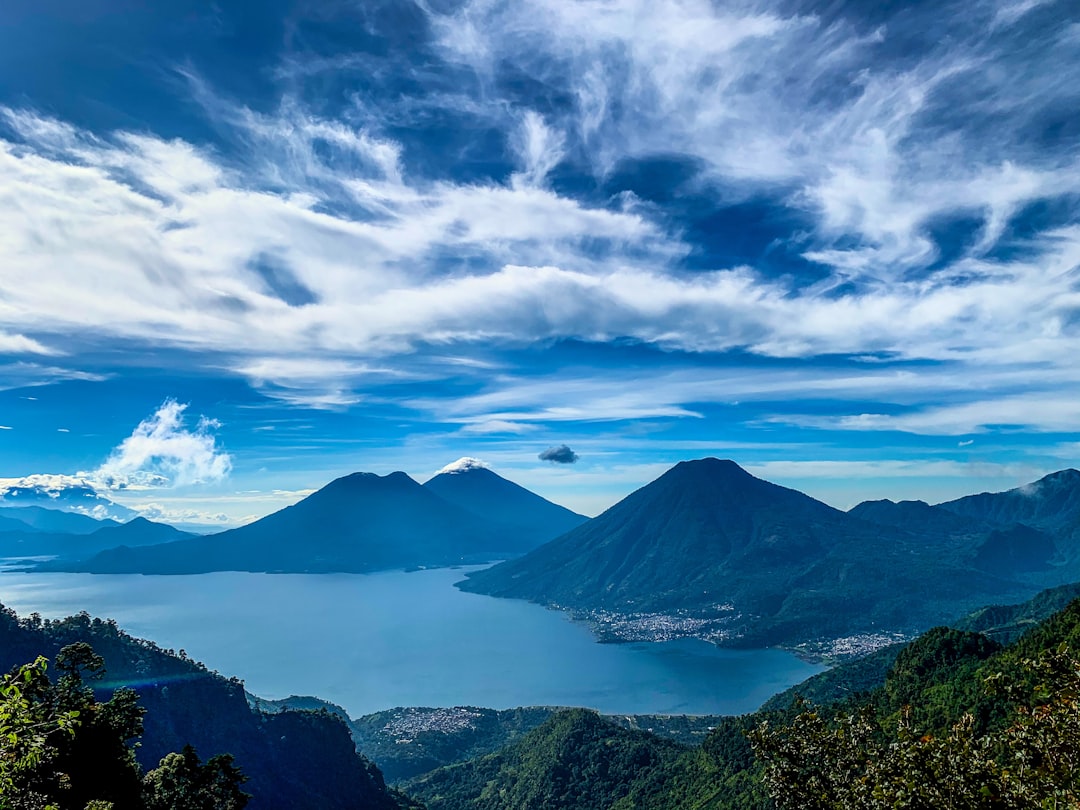
Guatemala, a land steeped in rich Indigenous heritage, is renowned for its breathtaking landscapes and vibrant culture. Nowhere is this culture more beautifully expressed than in its traditional dress and costumes. Far more than mere clothing, these intricate garments are living tapestries, weaving together centuries of Maya history, spirituality, and community identity. Exploring the traditional attire of Guatemala is to journey deep into the heart of its people, understanding their ancestral stories and enduring artistry.
The Soul of Guatemala: Understanding Huipiles and Trajes
At the core of Guatemalan traditional clothing lies the concept of the "traje," or complete outfit, predominantly worn by Indigenous women. Each element is carefully chosen, handcrafted, and imbued with profound significance.
What is a Huipil?
The huipil is the most iconic piece of Guatemalan traditional dress – a loose, rectangular blouse, often meticulously handwoven and embroidered. It's not just a shirt; it's a canvas telling stories through its vibrant colors, intricate designs, and symbolic motifs.
- Regional Diversity: Designs, colors, and weaving techniques vary dramatically from one village to another. A huipil's pattern can instantly identify a woman's origin, marital status, and even her social standing.
- Symbolism: Common motifs include birds, flowers, animals, geometric patterns, and cosmological symbols, often representing elements of nature, Maya deities, or significant events.
- Technique: Many huipiles are created using a backstrap loom, a traditional weaving method passed down through generations, making each piece a unique work of art.
The Art of the Corte
Complementing the huipil is the corte, a rectangular piece of fabric wrapped around the waist to form a skirt. Typically made of heavy, handwoven cotton, cortes are often dark in color, frequently indigo, black, or deep red, to highlight the brilliance of the huipil.
- Wrapping Style: The corte is usually secured with a faja (belt) and can be pleated or gathered, depending on regional style and personal preference.
- Woven Beauty: While less overtly decorative than the huipil, the corte often features subtle woven patterns, stripes, or textured finishes that add depth to the overall traditional costume.
Faja (Belt) and Randa (Headwear)
These accessories are crucial finishing touches, each contributing to the complete look and cultural significance.
- Faja (Belt): Often a long, handwoven strip of cloth, the faja is wrapped multiple times around the waist, securing the corte. Belts can be elaborately decorated with embroidery, giving another opportunity for artisans to express their skill.
- Randa (Headwear): While not universally worn, many communities feature distinctive headscarves or turbans, known as randas. These can range from simple folded cloths to complex, tightly wrapped creations adorned with colorful tassels or pom-poms, signifying specific communities like Santiago Atitlán's iconic red "tzute."
A Tapestry of Regions: Diverse Styles Across Guatemala
The beauty of Guatemalan traditional dress lies in its incredible regional variations. Each community, often separated by mountains and valleys, has developed its own distinctive textile language.
Western Highlands: Richness in Detail
The Western Highlands, home to a large percentage of Guatemala's Maya population, are a powerhouse of textile artistry.
- Chichicastenango: Famous for its vibrant huipiles adorned with geometric patterns, sunbursts, and often featuring rich red and purple hues.
- Santiago Atitlán: Known for its striking huipiles often featuring elaborate bird motifs, particularly peacocks and quetzals, and unique headwraps.
- Sololá: Distinguished by huipiles with distinctive striped patterns and often deeper, more somber color palettes, yet still incredibly rich in texture.
Eastern & Central Regions: Subtle Elegance
While perhaps less flamboyant than some highland styles, the traditional attire from central and eastern regions holds its own understated beauty.
- Antigua/San Antonio Aguas Calientes: These areas are known for producing incredibly fine, delicate embroidery, often featuring intricate floral and geometric patterns on white or light-colored cotton huipiles.
The Lowlands & Coastal Areas: Adaptations
Climatic conditions influence textile choices. In hotter lowland and coastal areas, garments may be made of lighter fabrics, with less layering, though still retaining elements of traditional design.
Beyond Daily Wear: Ceremonial and Special Occasion Attire
While daily traditional dress is already stunning, certain garments are reserved for special occasions, such as religious festivals, weddings, and community ceremonies. These are often even more elaborate, featuring:
- Richer Fabrics: Silk threads, brocades, and more expensive materials.
- Intensified Embroidery: Denser, more intricate, and often featuring gold or silver thread.
- Special Accessories: Unique sashes, elaborate rebozos (shawls), and specific jewelry pieces that complete the ceremonial look.
The Cultural Significance: More Than Just Clothes
Guatemalan traditional dress transcends mere aesthetics; it is a profound testament to identity, resilience, and a living heritage.
Identity and Heritage
Wearing a traje is a powerful affirmation of Maya identity. It connects the wearer to their ancestors, their community, and their place within a rich cultural lineage. In a world of globalization, these garments stand as symbols of continuity and pride.
A Living Art Form
The creation of traditional Guatemalan textiles is an ancient art form passed down orally and practically from mother to daughter for generations. Each piece represents:
- Skill and Patience: The hours of painstaking work involved in spinning, dyeing, weaving, and embroidering.
- Natural Resources: The use of natural dyes derived from plants, insects, and minerals.
- Economic Empowerment: For many Indigenous women, textile production is a vital source of income, supporting their families and communities.
How to Appreciate and Support Guatemalan Textiles Responsibly
If you are captivated by the beauty of Guatemalan costumes, it's important to engage with them respectfully and ethically.
Ethical Tourism and Purchasing
- Buy Directly: Whenever possible, purchase handwoven textiles directly from the artisans in local markets or cooperatives. This ensures fair compensation for their labor.
- Understand the Value: Recognize that true handwoven textiles require immense time and skill. Be prepared to pay a fair price that reflects their artistic and cultural value.
- Support Fair Trade: If buying from abroad, look for organizations that practice fair trade principles and prioritize the well-being of the artisans.
Learning and Respecting
- Educate Yourself: Learn about the specific designs and their meanings. Understanding the stories behind the textiles deepens your appreciation.
- Avoid Cultural Appropriation: While admiring and purchasing is encouraged, be mindful of wearing traditional Guatemalan garments in a way that trivializes or disrespects their cultural significance.
The traditional dress and costumes of Guatemala are a vibrant, living testament to the enduring spirit and artistic genius of the Maya people. Each stitch, every color, and every design is a whisper from the past and a bold statement in the present, inviting us to explore, appreciate, and honor a culture that beautifully weaves its history into the fabric of its daily life.