A Guide to Eco-Friendly and Sustainable Travel in Panama
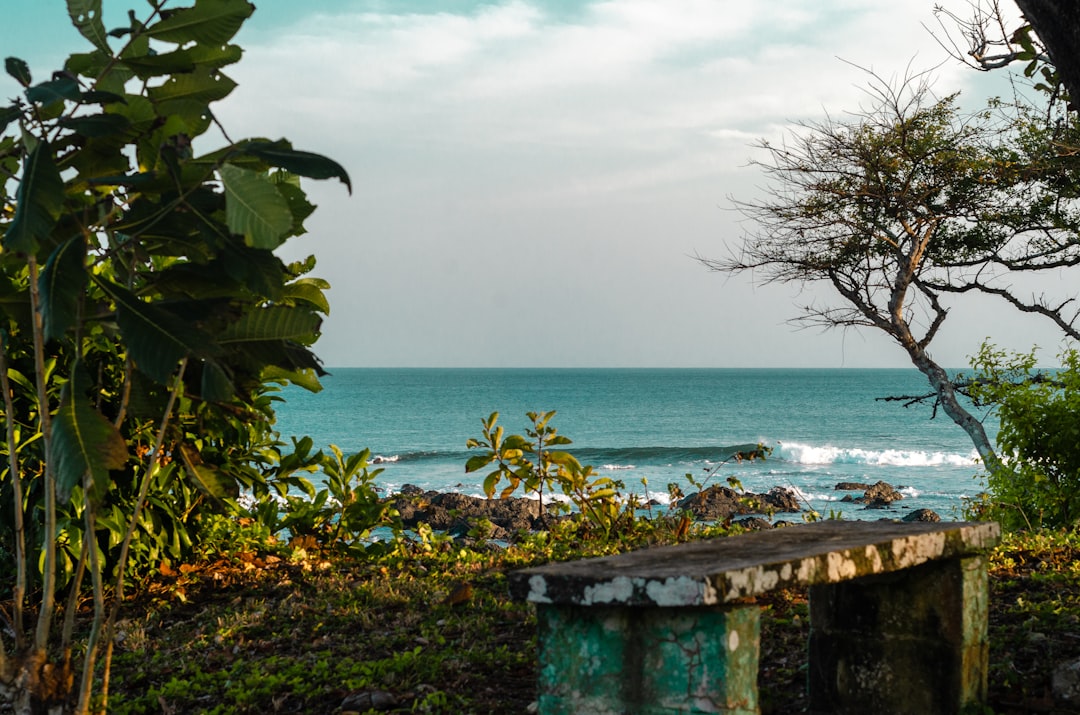
Panama, a vibrant bridge between two continents and two oceans, beckons with its incredible biodiversity, lush rainforests, pristine beaches, and rich cultural heritage. As global travelers increasingly seek ways to explore responsibly, eco-friendly and sustainable travel in Panama offers an unparalleled opportunity to experience this Central American gem while contributing positively to its preservation. This guide will help you navigate Panama with a conscience, ensuring your adventure benefits both you and the planet.
Why Choose Sustainable Travel in Panama?
Opting for sustainable practices during your Panamanian journey isn't just a trend; it's a commitment to preserving the very essence of what makes this country so special.
Protecting Panama's Pristine Ecosystems
Panama boasts an extraordinary array of ecosystems, from the dense rainforests teeming with unique wildlife to the vibrant coral reefs of its Caribbean and Pacific coasts. Sustainable tourism helps minimize negative impacts, such as habitat destruction, pollution, and disruption to wildlife. By choosing eco-conscious options, you support efforts to protect its biodiversity – home to sloths, monkeys, toucans, and myriad marine species.
Supporting Local Communities
Sustainable tourism goes beyond environmental protection; it fosters economic growth and cultural preservation for local communities. By directing your spending towards local businesses, accommodations, and guides, you empower residents, create jobs, and ensure that the financial benefits of tourism are shared directly with those who call Panama home. This also encourages the preservation of indigenous cultures, such as the Guna and Emberá, allowing them to thrive and share their traditions.
Key Principles of Eco-Friendly Travel in Panama
Embracing sustainability in Panama means making conscious choices at every step of your journey.
Choose Sustainable Accommodations
Look for eco-lodges, boutique hotels, or resorts that actively practice environmental responsibility. These might have certifications like Green Globe, Rainforest Alliance, or local Panamanian equivalents.
- Prioritize properties that use renewable energy, conserve water, manage waste effectively, and source local food.
- Read reviews and inquire about their specific sustainability initiatives.
Minimize Your Footprint
Every traveler has an environmental impact. Strive to make yours as small as possible.
- Reduce waste: Carry a reusable water bottle and refill it, avoid single-use plastics, and dispose of trash properly.
- Conserve resources: Turn off lights and air conditioning when leaving your room, take shorter showers, and reuse towels.
- Walk or bike: Explore local areas on foot or by bicycle whenever feasible.
Respect Wildlife and Nature
Panama's natural beauty is its greatest asset. Treat it with reverence.
- Observe from a distance: Never approach, feed, or disturb wildlife. Use binoculars for close-up views.
- Stay on marked trails: Protect delicate ecosystems by not straying from designated paths during hikes.
- No souvenirs from nature: Avoid collecting shells, coral, or plants.
- Use reef-safe sunscreen: Protect marine life, especially when swimming or snorkeling in coral areas.
Support Local and Ethical Tourism Operators
Your choice of tour operator can significantly impact the local economy and environment.
- Seek out locally-owned businesses: From tour guides to restaurants, support those that directly benefit the community.
- Choose ethical tours: Opt for wildlife tours that prioritize animal welfare and education over exploitation.
- Buy local crafts: Purchase souvenirs directly from artisans, ensuring they receive a fair price for their work.
Engage with Local Culture Responsibly
Interacting respectfully with Panama's diverse cultures enriches your experience and honors local traditions.
- Learn basic Spanish phrases: A little effort goes a long way in connecting with locals.
- Ask permission: Before taking photos of people, especially in indigenous communities.
- Dress modestly: Especially when visiting religious sites or traditional villages.
- Be mindful of customs: Understand and respect local etiquette and traditions.
Top Eco-Friendly Destinations & Activities in Panama
Panama offers a wealth of opportunities for the conscious traveler.
Bocas del Toro
This Caribbean archipelago is a haven for marine life.
- Activities: Snorkeling and diving among vibrant coral reefs, visiting indigenous Ngäbe communities on guided tours, exploring sustainable cacao farms, and kayaking through mangroves.
- Focus: Marine conservation and responsible island tourism.
Boquete
Nestled in the highlands of Chiriquí Province, Boquete is famous for its cool climate and coffee.
- Activities: Sustainable coffee farm tours (learning about ethical production), hiking in cloud forests (like the Sendero Los Quetzales), and birdwatching.
- Focus: Agrotourism, highland ecology, and fair-trade practices.
Gamboa & Soberanía National Park
Just a short drive from Panama City, this area offers incredible rainforest access.
- Activities: Wildlife viewing along the Panama Canal, boat tours on Gatun Lake to spot monkeys and sloths, and guided hikes through the rainforest.
- Focus: Rainforest preservation and urban ecotourism.
Guna Yala (San Blas Islands)
The autonomous territory of the Guna people, offering pristine islands.
- Activities: Experiencing authentic Guna culture, swimming in crystal-clear waters, and enjoying basic, rustic accommodations run by the Guna themselves.
- Focus: Indigenous tourism and cultural preservation (ensure your visit directly supports the Guna).
Darién Province
One of the world's most biodiverse regions, though remote and requiring careful planning.
- Activities: Deep rainforest expeditions (with experienced guides), cultural exchanges with Emberá communities.
- Focus: Extreme biodiversity, wilderness conservation, and authentic cultural immersion (not for the faint of heart, and requires substantial preparation).
Practical Tips for Your Sustainable Panama Trip
- Pack Light: Reduces fuel consumption for transportation.
- Bring Reusables: A reusable water bottle, coffee cup, and shopping bag are essential.
- Choose Local Transportation: Public buses and local taxis reduce your carbon footprint.
- Support Artisans: Buy handmade souvenirs directly from local craft markets.
- Eat Local: Dine at local restaurants and markets, supporting Panamanian cuisine and businesses.
- Learn a Little Spanish: Even a few phrases can enhance interactions and show respect.
- Research Before You Go: Understand the local customs and environmental guidelines of your chosen destinations.
By integrating these practices into your travel plans, you can embark on an unforgettable journey through Panama that not only leaves you inspired but also helps safeguard its extraordinary natural beauty and vibrant cultures for generations to come. Your adventure can be a force for good.