10 Surprising Facts About Latin America That Will Astound You
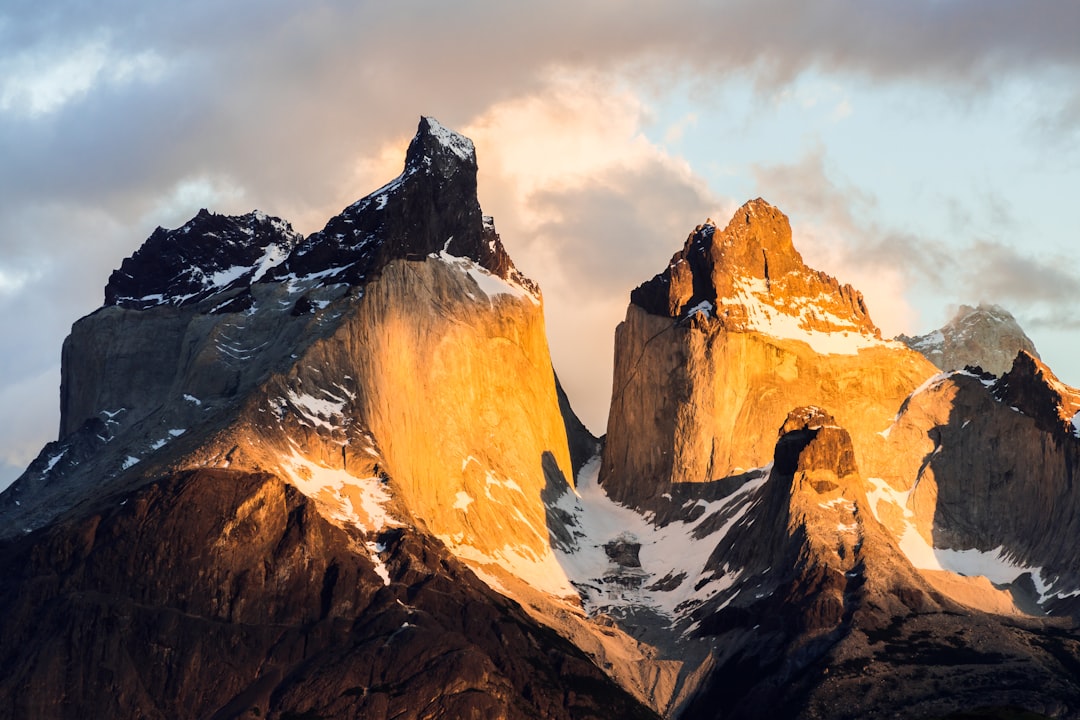
Latin America is a vibrant tapestry of cultures, breathtaking landscapes, and rich histories, often misunderstood or oversimplified. Stretching from the Rio Grande to the tip of Tierra del Fuego, this vast region holds countless wonders and fascinating complexities. Prepare to challenge your perceptions as we delve into some truly remarkable aspects of Latin America that often go unnoticed. From ancient traditions to modern marvels, these ten surprising facts will give you a fresh perspective on a truly extraordinary part of the world.
Unveiling Latin America's Hidden Depths
1. A Continent of Linguistic Riches Beyond Spanish and Portuguese
While Spanish and Portuguese are the dominant languages, Latin America is a treasure trove of linguistic diversity. Hundreds of indigenous languages are still actively spoken, from Quechua in the Andes to Guaraní in Paraguay (which is an official language alongside Spanish), and various Mayan dialects in Central America. This linguistic tapestry reflects the deep cultural heritage that thrives alongside colonial influences.
2. Home to the World's Driest Desert and Largest Rainforest
Latin America boasts incredible geographic extremes. It hosts the Atacama Desert in Chile, famously known as the driest non-polar desert on Earth, with some areas experiencing no rainfall for centuries. Conversely, it cradles the majority of the Amazon Rainforest, the largest tropical rainforest in the world, an unparalleled hub of biodiversity and a vital lung for our planet.
3. The Birthplace of Global Culinary Staples
Many foods we take for granted today originated in Latin America. Think about it: chocolate, tomatoes, potatoes, chili peppers, avocados, and corn all have their roots here. Ancient civilizations cultivated these staples, profoundly shaping global cuisine and agricultural practices for centuries.
4. A Megadiverse Hotspot Unmatched on Earth
Latin America is arguably the most biodiverse region on the planet. Countries like Brazil, Colombia, Ecuador, and Peru consistently rank among the top for their incredible variety of plant and animal species. From the Amazon to the Galapagos Islands and the Andes, it's a living laboratory of evolution, home to species found nowhere else.
5. Home to Some of the World's Largest Cities
Beyond its natural beauty, Latin America is a highly urbanized continent. São Paulo, Mexico City, and Buenos Aires are not just major regional hubs but are counted among the largest metropolitan areas in the world, bustling with vibrant cultures, diverse populations, and dynamic economies. This urbanization reflects significant internal migration and economic growth.
6. The Longest Mountain Range on Land is Here: The Andes
Stretching over 7,000 kilometers (4,300 miles) across seven countries, the Andes Mountains form the longest continental mountain range in the world. This majestic chain is home to some of the highest peaks outside of Asia, a unique array of ecosystems, and ancient indigenous cultures that have adapted to its extreme altitudes for millennia.
7. The First Nation to Abolish Slavery Was in Latin America
Haiti holds the profound distinction of being the first independent nation in Latin America and the Caribbean to permanently abolish slavery in 1804, following a successful slave revolution. This monumental achievement predates abolition in many European and North American countries, marking a pivotal moment in human history and the fight for freedom.
8. World's Highest Capital City Resides in Bolivia
Perched at an average elevation of 3,650 meters (11,975 feet) above sea level, La Paz, Bolivia, is recognized as the highest capital city in the world. Its unique geography, with the city sprawling across a canyon, offers breathtaking views and a truly distinct urban experience shaped by its extreme altitude.
9. Carnaval Beyond Rio: The World's Longest Celebration in Uruguay
While Rio de Janeiro's Carnaval is globally famous, Montevideo, Uruguay, hosts the longest Carnaval celebration in the world. Lasting approximately 40 days, this extended festival features unique traditions like "Candombe" and "Murga," a musical theatre performance, showcasing Uruguay's distinct cultural vibrancy and deep historical roots in the arts.
10. A Significant and Growing Economic Powerhouse
Often viewed through a developing-world lens, Latin America collectively represents a significant global economic force. With robust sectors in agriculture, mining, manufacturing, and services, many countries are experiencing substantial economic growth and the expansion of a vibrant middle class. This dynamic economic landscape makes the region a key player in global trade and innovation.
Beyond the Stereotypes: A Continent of Wonders
Latin America is a region of astonishing contrasts and profound influence, far richer and more complex than many narratives suggest. From its ancient civilizations to its unparalleled biodiversity, linguistic diversity, and dynamic urban centers, these facts only scratch the surface of what makes this part of the world so incredibly captivating. We hope these insights have sparked your curiosity and encouraged you to explore the boundless wonders of Latin America further.