10 Facts About Cape Verde That Will Surprise You
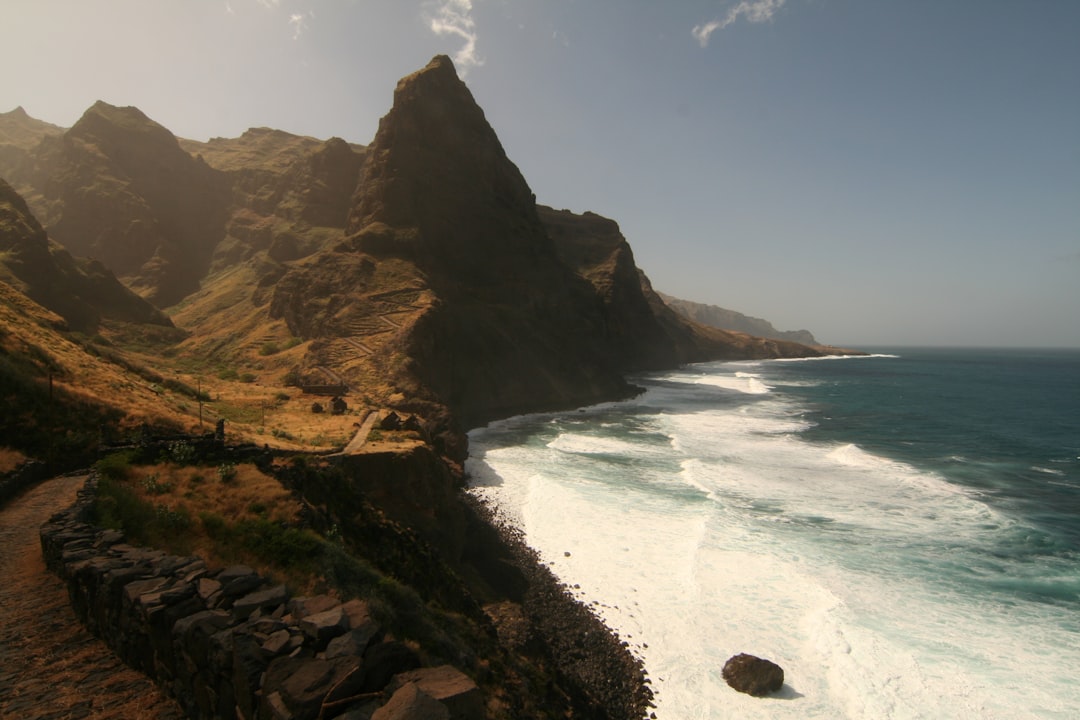
Nestled in the central Atlantic Ocean, the archipelago of Cape Verde, or Cabo Verde as it's known locally, often remains a hidden gem for many travelers. This stunning nation of ten volcanic islands and eight islets offers far more than just pristine beaches and year-round sunshine. From its vibrant culture to its unique geography and intriguing history, Cape Verde is full of delightful surprises. Get ready to uncover some truly astonishing details about this captivating African island nation that will make you want to pack your bags!
1. Where Africa Meets Europe in the Atlantic
Cape Verde is a truly unique melting pot, geographically part of Africa but culturally influenced by its Portuguese colonial past. Its position off the coast of West Africa has made it a historical crossroads, blending African rhythms with European melodies and traditions. This rich fusion is evident in its cuisine, music, and language, creating a distinct identity unlike anywhere else.
2. Kriolu: A Language That Tells a Story
While Portuguese is the official language, the heart of communication beats in Kriolu (or Crioulo). This unique Creole language, derived from Portuguese and various West African languages, is spoken by nearly the entire population. It's not just a dialect; it’s a living testament to the islands' history, resilience, and cultural blending, deeply rooted in the everyday lives of Cape Verdeans.
3. The Melancholy Soul of Morna and Cesária Évora
Cape Verde is world-renowned for its soulful Morna music, often compared to the Portuguese Fado or American Blues. The legendary Cesária Évora, affectionately known as the "Barefoot Diva," brought this melancholic yet beautiful genre to global fame. Her songs, often lamenting love and longing, encapsulate the islands' spirit and are a cornerstone of their cultural identity.
4. Fogo: Home to One of the World's Most Active Volcanoes
One of Cape Verde's most striking features is the active stratovolcano on the island of Fogo (meaning "fire"). Pico do Fogo, the highest peak in the archipelago, last erupted significantly in 2014. Its fertile volcanic slopes produce exceptional Fogo wine, a surprising and delicious local specialty grown in rich, mineral-laden soil – a testament to nature's bounty even in seemingly harsh environments.
5. A Sanctuary for Endangered Loggerhead Turtles
The pristine beaches of Cape Verde, particularly on the islands of Sal, Boa Vista, and Maio, are vital nesting sites for Loggerhead sea turtles. During nesting season (June to October), thousands of these magnificent creatures return to lay their eggs, making the archipelago one of the most important reproductive areas in the Atlantic for this endangered species. Conservation efforts are paramount here to protect these vulnerable marine inhabitants.
6. Consistent Winds Make It a Top Water Sports Destination
Thanks to its location in the Atlantic and consistent trade winds, Cape Verde is an absolute dream for windsurfing and kitesurfing enthusiasts. Islands like Sal and Boa Vista are famous for their ideal conditions, attracting professionals and amateurs alike to their turquoise waters, offering exhilarating experiences year-round. It's truly a paradise for those who love to harness the power of the wind.
7. From Arid Deserts to Lush Green Valleys
Despite its image as a sunny beach destination, Cape Verde boasts an incredible diversity of landscapes. While some islands like Sal and Boa Vista are characterized by arid desert-like terrain and expansive dunes, others like Santo Antão and Santiago feature lush, verdant valleys, dramatic mountain ranges, and vibrant agriculture, offering stunning hiking opportunities and breathtaking scenic contrasts.
8. The Power of the Diaspora: A Global Nation
It's a remarkable fact that the Cape Verdean diaspora is larger than the population living within the islands themselves. Significant communities thrive in the USA, Portugal, France, and other countries. This strong global connection fuels a constant flow of remittances, cultural exchange, and influence, shaping the nation's identity and economy and making it a truly global nation.
9. Leading the Way in Sustainable Energy
Cape Verde is surprisingly at the forefront of renewable energy initiatives for a developing nation. The country aims to generate 100% of its electricity from renewable sources, primarily wind and solar power. This ambitious commitment to sustainability showcases its dedication to protecting its natural environment and fostering a greener, more resilient future.
10. The Hearty Soul of Cape Verdean Cuisine: Cachupa
The national dish, Cachupa, is far more than just food; it's a cultural institution. This slow-cooked stew, made with corn, beans, various vegetables, and often fish or meat, is a staple. There are countless variations, from rich Cachupa Rica to simpler Cachupa Pobre, each representing the warmth and communal spirit of Cape Verdean hospitality. It's often eaten for breakfast, lunch, and dinner, embodying the essence of island life.
Cape Verde truly is a land of fascinating contrasts and endless discovery. From its unique linguistic heritage and world-renowned music to its active volcanoes, vital turtle sanctuaries, and pioneering spirit in renewable energy, there's always something new to learn and admire. These ten surprising facts only scratch the surface of what makes this Atlantic archipelago so special. So, if you're looking for a destination that offers rich culture, stunning natural beauty, and a host of unexpected delights, Cape Verde might just be your next unforgettable adventure.