10 Common Tourist Scams in Tunisia and How to Avoid Them
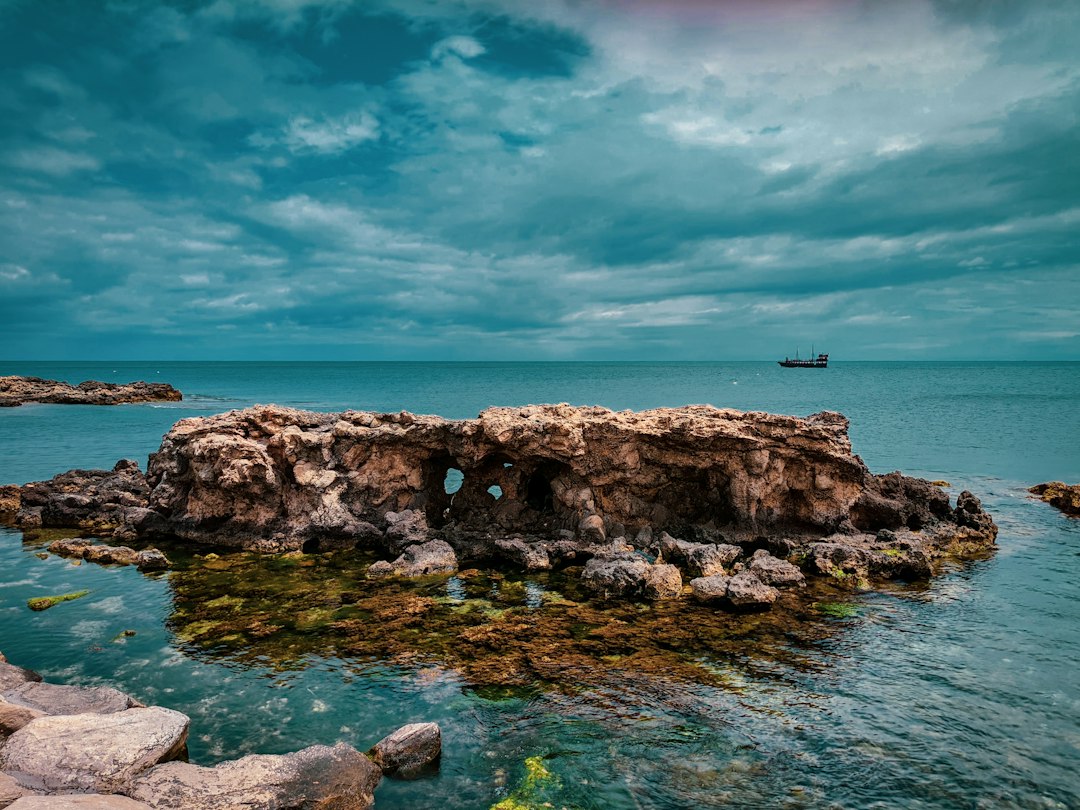
Tunisia, with its stunning Mediterranean coastlines, ancient Roman ruins, vibrant souks, and Sahara desert adventures, offers an unforgettable travel experience. However, like many popular tourist destinations worldwide, visitors to Tunisia can sometimes encounter various scams designed to take advantage of unsuspecting travelers. Don't let these potential pitfalls deter you from exploring this beautiful North African gem! With a little awareness and preparation, you can safeguard your trip and ensure your focus remains on enjoying Tunisia's rich culture and history. This guide outlines the most common tourist scams in Tunisia and provides practical tips on how to avoid them, ensuring your vacation is as smooth and memorable as possible.
Navigating the Streets and Souks
1. The "Friendly Local" or "Free Guide" Scam
This often begins with someone approaching you, seemingly friendly, offering to show you a "special" shop, a shortcut, or even just practice their English. They might claim to be students or working nearby. Their true intention is to lead you to a specific shop where they receive a commission for anything you buy, or they will suddenly demand payment for their "tourist guide" services.
-
How to Avoid:
- Politely but firmly decline offers of unsolicited guidance. A simple "No, thank you" or "La shukran" (no, thanks) usually suffices.
- If you need directions, ask someone official like a shopkeeper inside their store or a hotel staff member.
- Remember, genuinely helpful locals usually don't demand payment afterward. Be wary of anyone too insistent.
2. The "Closed Attraction" Scam
You're heading to a popular museum or historical site, and suddenly, a "local" tells you it's closed for a holiday, renovation, or for prayers, then offers to take you to another "better" (and usually more expensive or commission-based) place.
-
How to Avoid:
- Always verify opening hours and any potential closures online or with your hotel concierge before you leave.
- Ignore anyone who approaches you with such information outside the actual entrance of the attraction.
- Proceed directly to the entrance and check for official signs or ask staff at the ticket counter.
3. The "Fake Antique" or "High-Quality Saffron" Scam
In the bustling souks, vendors might try to sell you "authentic ancient artifacts" or "pure saffron" at surprisingly low prices. These are almost always fake, mass-produced items, or severely adulterated products.
-
How to Avoid:
- Be extremely skeptical of incredible deals on high-value items. Genuine antiques require proper provenance.
- For spices like saffron, purchase from reputable, well-established spice shops or supermarkets, not street vendors.
- If you're buying souvenirs, assume they are modern reproductions unless you are an expert or buying from a certified antique dealer. Bargain hard but don't expect real treasures.
4. The "Impulsive Gift" or "Lucky Charm" Scam
Someone might approach you and thrust a "gift" (a small trinket, a flower, a sprig of jasmine) into your hand, often with a blessing or a greeting. Once you accept it, they will immediately demand money for it.
-
How to Avoid:
- Simply do not accept anything offered to you for free on the street.
- Politely refuse and keep walking. If someone is insistent, hold your hands up in a "no thanks" gesture and firmly say "La, shukran."
- Never let anyone put something in your hand or on your person.
Transportation and Transactions
5. Overpriced Taxis and Meter Manipulation
Some taxi drivers might refuse to use the meter, claim it's broken, or quote an exorbitant fixed fare. Others might try to take a longer route or even manipulate the meter to run faster.
-
How to Avoid:
- Always insist the driver use the meter. If they refuse, find another taxi.
- If a fixed fare is quoted, negotiate the price beforehand and ensure it's reasonable for the distance. Ask your hotel for estimated costs.
- Have smaller denominations of local currency to avoid "no change" excuses.
- Consider using ride-hailing apps like Bolt (if available and reliable in your area) for transparency.
6. "No Change" or "Wrong Change" Scam
When paying for goods, especially in markets or small shops, vendors might claim they don't have change for a large note, hoping you'll leave it or accept a lesser amount. Or, they might intentionally give you incorrect change, especially if you're distracted.
-
How to Avoid:
- Always try to pay with exact change or the smallest possible denominations.
- Count your change carefully before walking away.
- Keep your wallet secure and avoid flashing large amounts of cash.
7. Restaurant/Café Menu Price Hikes
You might be presented with one menu, order your food, and then receive a bill with higher prices or added "service charges" that weren't listed. This is particularly common in tourist-heavy areas.
-
How to Avoid:
- Always confirm prices from the menu before ordering. Take a photo of the menu if you feel unsure.
- Clarify if service charges or taxes are included in the listed prices.
- Check your bill meticulously before paying. If there's a discrepancy, politely but firmly point it out.
8. Rental Car Scams (Pre-existing Damage)
When renting a car, you might be blamed and charged for pre-existing damage that you didn't cause, or the company might find "new" damage upon return.
-
How to Avoid:
- Always thoroughly inspect the vehicle with a rental company representative before driving away.
- Take photos or videos of the entire car, both inside and out, specifically documenting any existing scratches, dents, or defects. Date-stamp if possible.
- Ensure all existing damage is clearly noted and signed off on the rental agreement before you drive off.
9. The Camel/Horse Ride Overcharge
At popular sites like the Sahara or near Djerba, you might be offered a camel or horse ride for a seemingly low price. However, once you're on the animal, the price can dramatically increase, or they might demand extra payment just to let you dismount.
-
How to Avoid:
- Agree on the total price (including dismounting!) and the duration of the ride before you get on.
- Confirm the price with multiple vendors if possible.
- Pay only after the ride is completed and you are safely on the ground. Be clear about this upfront.
10. Pickpocketing and Distraction Theft
In crowded areas like souks, bus stations, or busy tourist attractions, opportunistic thieves might try to pickpocket your wallet, phone, or valuables, often using distraction techniques.
-
How to Avoid:
- Keep your valuables secure in a money belt worn under your clothes or in a cross-body bag held in front of you.
- Avoid carrying large sums of cash or all your credit cards in one place.
- Be aware of your surroundings, especially in crowded places.
- If someone bumps into you or tries to distract you, immediately check your belongings.
Tunisia is an incredibly rewarding destination, rich in culture, history, and natural beauty. While the possibility of encountering scams exists, as it does in any popular travel spot, being informed and prepared is your best defense. By staying vigilant, trusting your instincts, and following these practical tips to avoid tourist scams, you can ensure your visit to Tunisia is safe, enjoyable, and filled with wonderful memories. Travel smart, stay safe, and get ready to experience the magic of Tunisia!