10 Common Tourist Scams in Bangladesh and How to Avoid Them
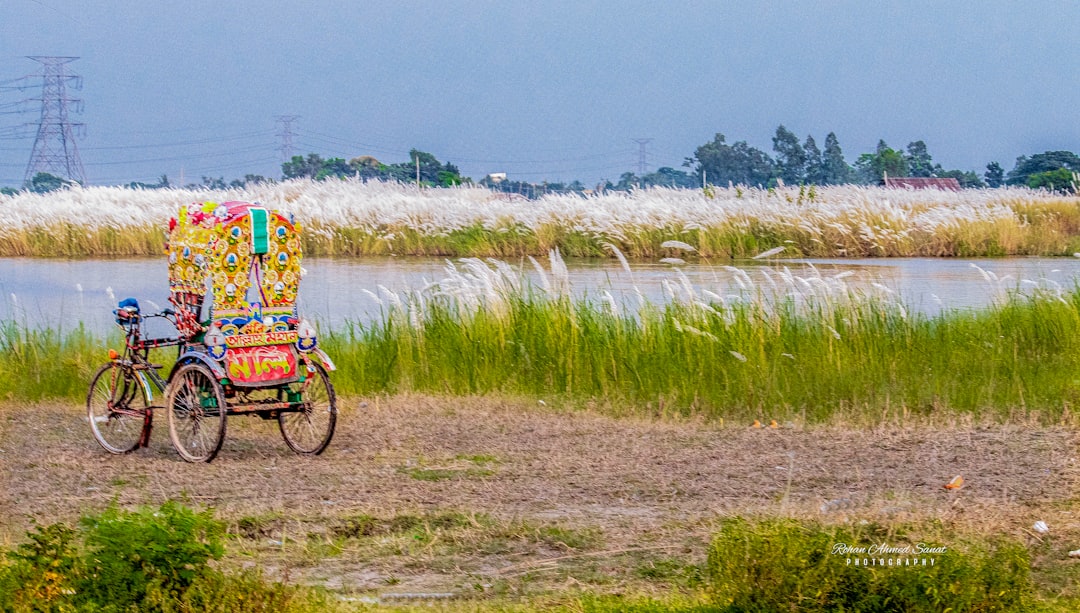
Bangladesh, a land of vibrant culture, lush landscapes, and incredibly hospitable people, offers a unique travel experience. From the bustling streets of Dhaka to the serene Sundarbans, it's a destination rich in discovery. However, like any popular tourist spot, being aware of common scams is crucial for a smooth and enjoyable journey. By understanding the typical tricks and knowing how to respond, you can protect yourself and focus on the beauty Bangladesh has to offer.
Navigating Bangladesh Safely: Identifying Common Tourist Scams
Staying vigilant and informed is your best defense against potential scams. Here are 10 common tourist scams in Bangladesh and practical advice on how to avoid them.
1. Overpriced Rickshaws and Taxis
Many tourists find themselves paying significantly more for rides, especially in crowded cities like Dhaka. Drivers might quote exorbitant prices or refuse to use meters.
-
How to Avoid:
- Always negotiate the fare before starting your journey.
- Familiarize yourself with typical prices for common routes. Ask hotel staff or locals for guidance.
- Utilize ride-sharing apps like Pathao or Uber, which offer fixed prices and tracking.
- If using a traditional taxi, insist on the meter or agree on a reasonable flat rate beforehand.
2. The "Friendly" Stranger & Fake Guides
You might encounter individuals who are overly friendly, offering unsolicited help, guidance, or even tours. Their true intention is often to lead you to overpriced shops, fake attractions, or demand exorbitant payment for their "services."
-
How to Avoid:
- Be polite but firmly decline unsolicited offers of help or guidance.
- Only hire official, licensed guides recommended by reputable hotels or tour operators.
- Maintain a healthy skepticism, especially if someone approaches you out of the blue with an attractive offer.
3. Shopkeeper Price Gouging
Tourist-heavy areas often see shopkeepers charging inflated prices for goods, knowing tourists may not be familiar with local pricing.
-
How to Avoid:
- Bargaining is expected in local markets and many shops. Don't be shy to negotiate.
- Do some price comparison before making a significant purchase.
- Observe what locals pay for similar items to get an idea of a fair price.
4. The Distraction Theft
This scam involves one person creating a diversion (e.g., spilling something on you, dropping something) while an accomplice pickpockets your wallet, phone, or other valuables.
-
How to Avoid:
- Always keep your belongings secure and out of sight. Use a cross-body bag or money belt.
- Be extra aware of your surroundings in crowded areas like markets, bus stations, and festivals.
- If someone bumps into you or creates a disturbance, immediately check your pockets and bag.
5. Bogus Hotel & Tour Deals
Scammers might approach you with seemingly incredible deals on hotels, guesthouses, or tour packages that turn out to be non-existent, substandard, or heavily inflated.
-
How to Avoid:
- Always book accommodations and tours through reputable platforms or established agencies.
- Verify reservations directly with the hotel or tour operator before arrival.
- Be wary of deals that seem too good to be true, especially if offered on the street.
6. Fake Currency & Short Changing
You might receive fake currency as change or be short-changed, especially when paying with larger denominations.
-
How to Avoid:
- Familiarize yourself with the local currency (BDT) and its security features.
- Always count your change carefully before leaving.
- Try to pay with smaller denominations whenever possible to minimize the need for large change.
7. The "Broken Meter" Scenario
For taxi or auto-rickshaw drivers, claiming a "broken meter" is a common tactic to avoid using the official tariff and charge a higher, arbitrary fare.
-
How to Avoid:
- Before getting in, confirm the driver will use the meter. If they claim it's broken, find another vehicle.
- Alternatively, agree on a fixed fare before starting the ride, confirming it multiple times.
- Again, ride-sharing apps are an excellent alternative.
8. Exaggerated Begging Stories
While genuine poverty exists, some individuals engage in elaborate begging schemes, often involving children or fabricated medical emergencies, to extract money from sympathetic tourists.
-
How to Avoid:
- It's challenging to distinguish genuine need from scams. If you wish to help, consider donating to reputable local charities that address poverty and support vulnerable populations, rather than giving directly on the street.
- Be cautious of individuals approaching you with overly dramatic stories.
9. "Helpful" Hotel Staff & Hidden Fees
While most hotel staff are honest, isolated incidents can occur where staff suggest unnecessary services, overpriced tours, or add unauthorized charges to your bill.
-
How to Avoid:
- Review your bill carefully before checking out and question any unfamiliar charges.
- Only accept services you explicitly requested.
- Keep track of any amenities or services you use and their advertised costs.
10. The Invitation Scam (Tea/Dinner)
A scammer might invite you for tea or dinner, often presenting themselves as genuinely friendly or interested in cultural exchange. The goal is to isolate you, potentially leading to a demand for money, a push for overpriced goods, or even more serious situations.
-
How to Avoid:
- Be cautious about accepting invitations to private homes from strangers.
- If you decide to accept, ensure it's in a public place and inform someone of your whereabouts.
- Trust your gut feeling; if something feels off, politely decline.
General Tips for a Scam-Free Trip to Bangladesh
- Stay Vigilant: Always be aware of your surroundings, especially in crowded areas.
- Trust Your Instincts: If something feels wrong or too good to be true, it probably is.
- Research: Before traveling, research common scams in the areas you plan to visit.
- Secure Valuables: Keep passports, large sums of cash, and credit cards in a secure place (e.g., hotel safe, money belt).
- Keep a Low Profile: Avoid overtly displaying expensive jewelry or electronics.
By being informed and practicing smart travel habits, you can confidently explore Bangladesh's incredible attractions and create unforgettable memories, free from the worries of scams. Enjoy your journey through this captivating country!